

Share This Article
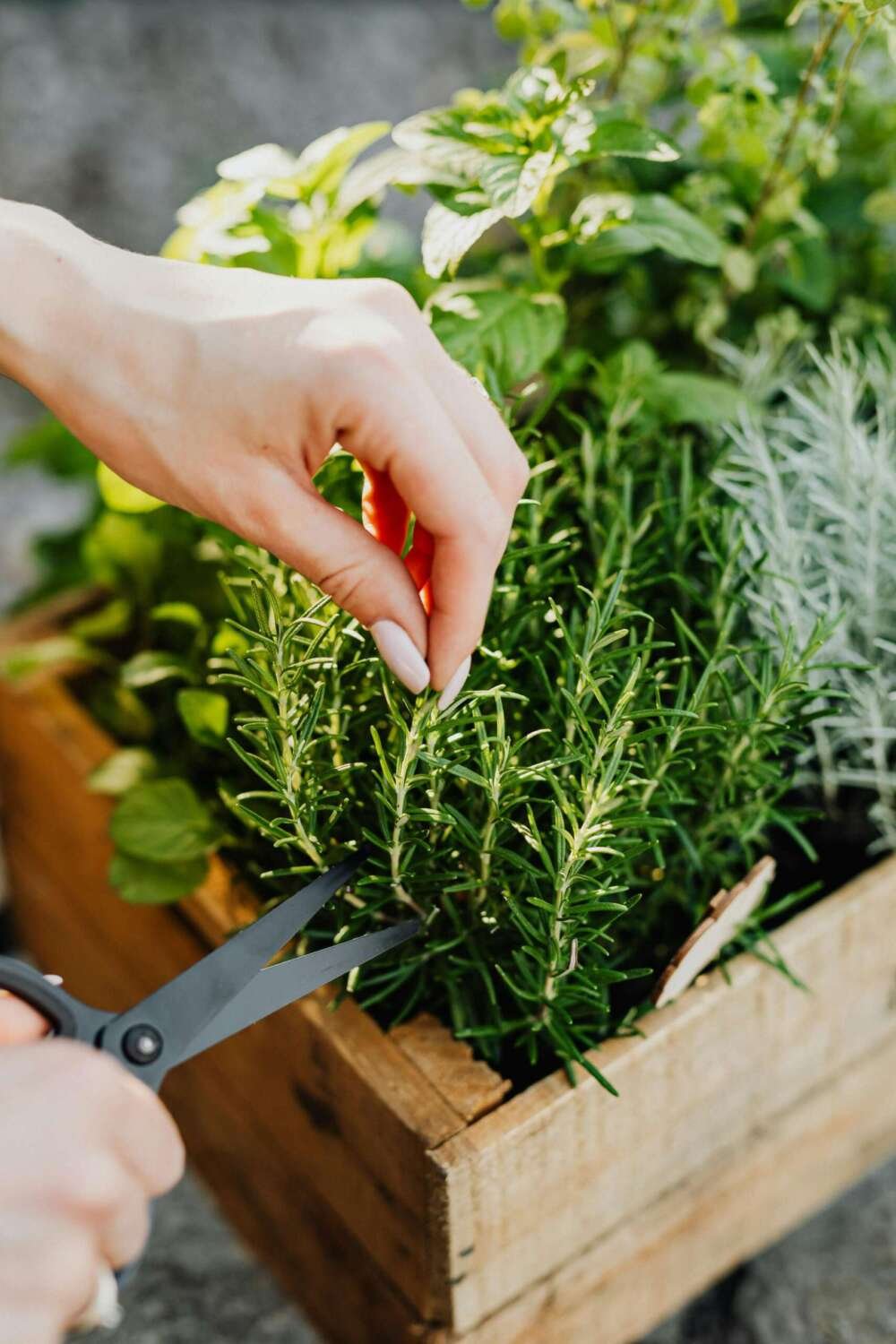
Minimize your food waste by turning it into an indoor food garden.
| All products featured on The Wellness Feed are independently selected by our editors for its environmental and ethical impact. However, when you buy something through our retail links, we may earn an affiliate commission. |
With the weather feeling more like spring, I’ve been in the mood for gardening, plants, and all things green. But, before shopping for delivery options for a new plant, I want to try a more sustainable way to satisfy my green thumb while simultaneously managing my waste. Inspired by a quick video on Instagram, I’ve decided to turn my food waste into an indoor food garden with grow lights using food scraps.
For months, I’ve been participating in eco-friendly ways to dispose of food waste. Sometimes, I’m able to donate food scraps to a friend who has the space, time, and know-how to compost. Otherwise, to avoid the trail from my fridge to the dumpster, then to the landfill, I’ve signed up for a composting service. And, having this new option- planting food scraps to grow into an indoor vegetable garden with grow lights aligns perfectly with my zero-waste ethos.
Trapped without air, food decomposing in landfills actually produces methane, a greenhouse gas over 20x as potent as carbon dioxide at trapping heat. In fact, landfills account for 34 percent of all methane emissions in the U.S.
~ 52 Weeks for Earth
The Facts About Food Waste
The USDA estimates that America wastes about 133 billion pounds of food annually, with 1/3 of that being food that is never eaten. This mismanagement of resources exacerbates the issue of food insecurity. It’s estimated that 47.9 million Americans experience food insecurity, and that food waste accounts for 22% of the materials found in landfills. Seeing similar reports, countries such as Korea and France have implemented laws to minimize food waste by specifying that surplus food must go to organizations focused on eliminating food insecurity and have made it easier for retailers to donate food.
Once in landfills, wasted food doesn’t simply sit there. Natural materials, like food, mixed with other materials like a plastic bag, decompose slowly while releasing greenhouse gases into the environment. The EPA estimates that food waste accounts for 170 million tons of CO2 and is responsible for 58% of methane greenhouse gases emitted from landfills. Methane, considered to be 80 times more potent at global warming than carbon dioxide, is also the primary contributor to the formation of ground-level ozone.
While food insecurity and greenhouse gases are two major effects of food waste, there are other ways it negatively impacts our environment. Wasted food is a waste of freshwater and nutrient-rich soil resources. With projections showing that some countries will experience water scarcity within the next few decades, reserving freshwater is vital. And, it goes without saying that we need fertile soil to grow our food.
So, as governments, organizations, farms, and retailers find solutions to minimize food waste, I too am going to challenge myself to waste less food, especially fresh produce. One way I’m going to do that is by creating pots of celery to line windowsills or perhaps a few pepper or lush lettuce plants. They make great gifts, are edible, and beautify homes with a spark of vibrant greenery.
I’ve listed vegetables and fruits that are most likely to be in your refrigerator that you can turn into plants with a sunny windowsill or grow lights. They’re listed by order of their difficulty level. One thing to note is that all of these tips are for using scraps or seeds to sprout roots. Before these roots can be planted, you’ll have to research the proper soil and type of pot to use. But, at least with this list, you’re halfway there, having a beautiful indoor vegetable garden for your home.
THE NOVICE GARDENER
You’re new to gardening or like plants that you can forget about for a week.
Celery

Moderno Glass Bowls, Set of 8 $20 Made in Mexico. Sleek, minimalist bowls that suit any kitchen. Perfect for morning cereals, mixing recipes, or even growing your favorite veggies.
The next time you decide to toss out the base of celery, why not try to grow it into a new plant instead? If you cut off and lay the bottom part in a bowl of warm water, it can sprout new leaves. You’ll have to keep it in direct sunlight. But once leaves sprout, you can plant them in soil and watch them continue to grow.
Lettuce
Cabbage or lettuce leaves are easy to grow into a plant. Place them in a bowl with a little water and allow the leaves to sit in sunlight for several days. Mist the leaves to keep them moist. When you see roots and new leaves, transfer the plant to a pot of soil.
Potatoes / Sweet Potatoes
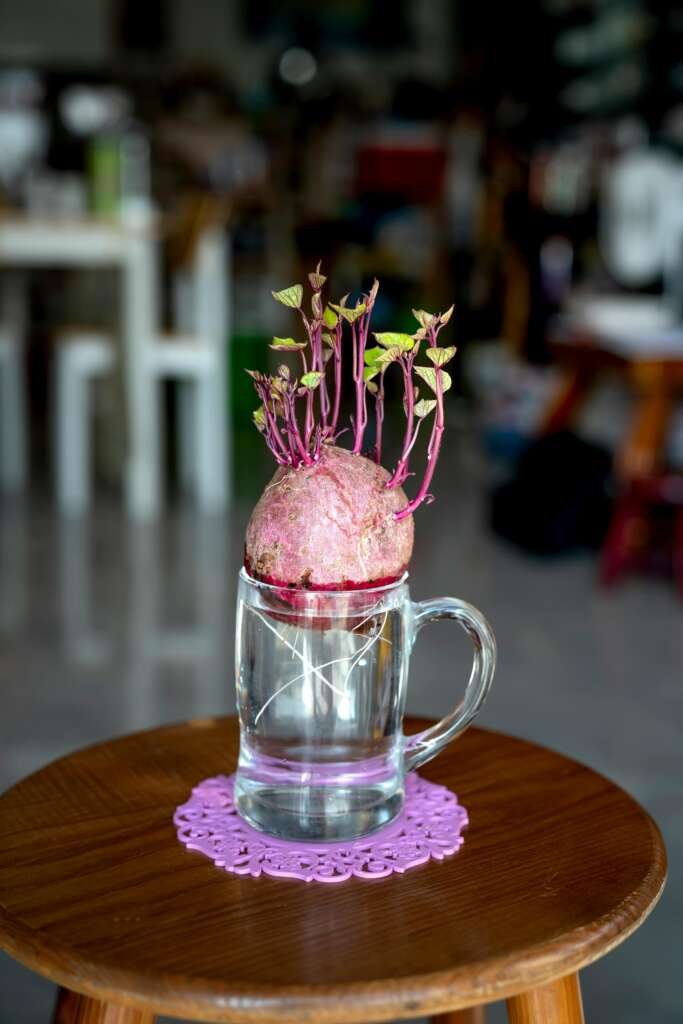
Turn your sprouting potatoes into new plants with a little water and patience.
Who hasn’t had a sprouting potato in their kitchen? When the roots reach about 4 inches, place them in a jar of water. The potato itself doesn’t have to be in water, only the roots.
THE PLANT WHISPERER
You haven’t lost a plant yet. Your green thumb is a gift and you can keep any plant alive.
Bean Sprouts
Beans like mung beans, wheat berries, and the beans from sprouts can be placed in a shallow bowl with a little bit of water. Leave the beans in your fridge overnight and replace them with fresh water in the morning. After several days on this cycle, sprouts should appear, and they’re ready for potting.
Garlic
Next time you’re cooking, set one garlic clove aside for planting. Find the roots and plant that clove with the roots facing down in potting soil. Garlic loves the sun, so keep the pot in direct sunlight. When you see new garlic shoots, cut them down. After a while, a new garlic bulb should appear for you to cook with.
Peppers
Jalapenos and habaneros are two pepper varieties that you can use the seeds to sprout new plants. Simply pot and place in a window that receives direct sunlight.
THE OFF-THE-GRID GARDENER
Your house is a jungle oasis that is making us all a little green with envy. Here are your challenges.
Avocado
The gigantic seed of this superfood only needs a light wash to be prepped to grow into a plant. After it’s dried and clean, insert several toothpicks and suspend it over a bowl or jar of warm water. The water should cover the seed by about an inch. Place it in a sunny window, and when you see roots and leaves sprouting, transfer it to a pot of soil. If after 8 weeks nothing appears, toss the seed out and try again.
*It will take several years before fruit will begin to grow
Mushrooms
Rich soil and a warm, humid environment are the requirements that make mushrooms tricky to grow. When cooking, cut off the stalk of the mushroom and plant it in soil. Water regularly, and after several weeks, mushrooms should start to grow.
Lemons
Save, wash, and dry lemon seeds next time you cut into the fruit. Choose a nutrient-rich soil and a medium-sized pot to plant the seeds. Sounds easy, but these plants require patience as it takes several years of tender loving care for your tree to grow.
*It will take several years before fruit will begin to grow