


Share This Article
Roses are popular, but why not try sustainable choices, which might just be the best flowers for Valentine’s Day?
| All products featured on The Wellness Feed are independently selected by our editors for its environmental and ethical impact. However, when you buy something through our retail links, we may earn an affiliate commission. |
Roses are red. But, they’re making our planet blue. The iconic flower has reached romantic status; however, over-farming and irresponsible use of chemicals to help meet demand are the less lovable traits of this flower.
Worldwide, we pluck, gift, and toss 250 million roses simply for February 14. That’s a lot of love, but it’s not good for the planet. And, who said roses are the best flowers for Valentine’s Day, anyway? There are dozens of beautiful stems and bouquets to choose from that are responsibly and ethically grown. Show your favorite person you care with a floral gift that is truly lovely…. from farm to bouquet.
Roses, a Cocktail of Chemicals
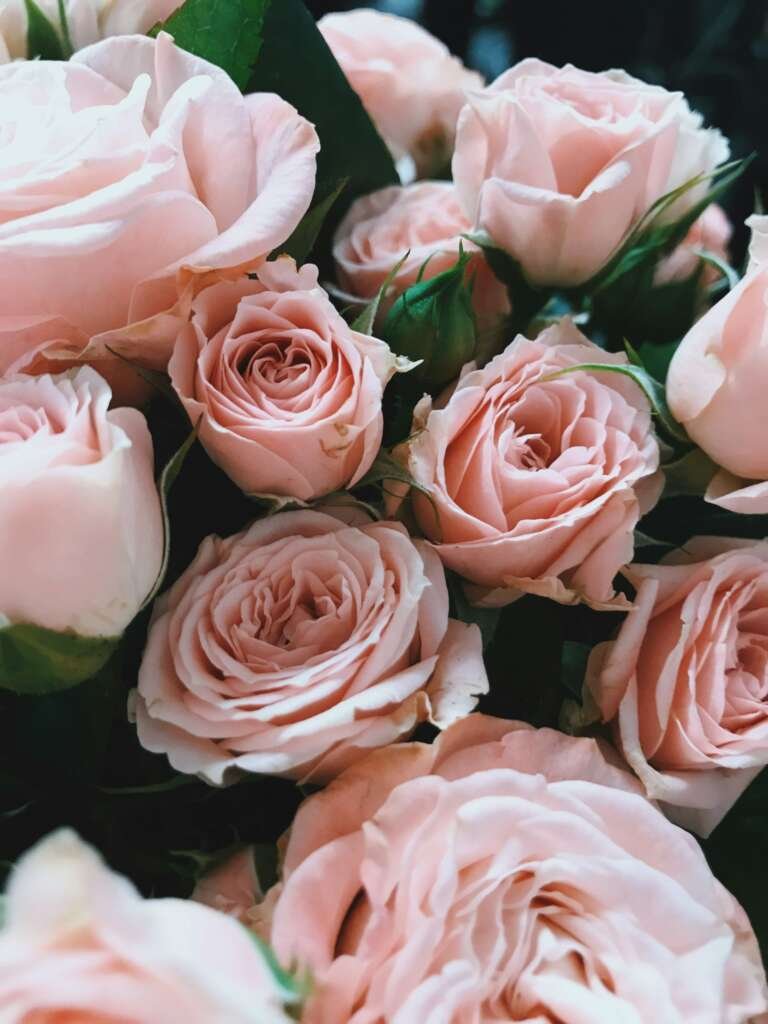
“Pesticide residues on imported roses exceed those on food imports fiftyfold. Rose growers in Ecuador, on average uses 3 poisons to kill worms, 4 to kill insects, and 6 for fungi, including several that are tightly restricted in the United States because of their threat to human health,” National Wildlife Federation.
The secret behind those perfectly vibrant bouquets of roses is that they’re not grown locally. The lush blooms thrive in warm climates, so a majority of the roses imported to the U.S. are from Colombia and Ecuador. And from growing to traveling, there are several ethical and environmental issues.
To begin, a rose isn’t simply a rose. It’s a mocktail of chemicals and toxins. Flower farms spray tons of chemicals to fight bugs and mold. Roses, in particular, receive as many as thirty pesticide applications before harvest. These toxins seep into rivers and soil, poisoning fish and plants nearby.
Workers face the brunt, too. They handle these poisons, many times without adequate safety gear, leading to health issues like skin rashes or worse. In places like Colombia, a key flower exporter, local streams run murky from runoff. One study found pesticide residues on 70% of imported blooms. Choosing cleaner options cuts this harm.
Carbon Footprint & Workers’ Rights
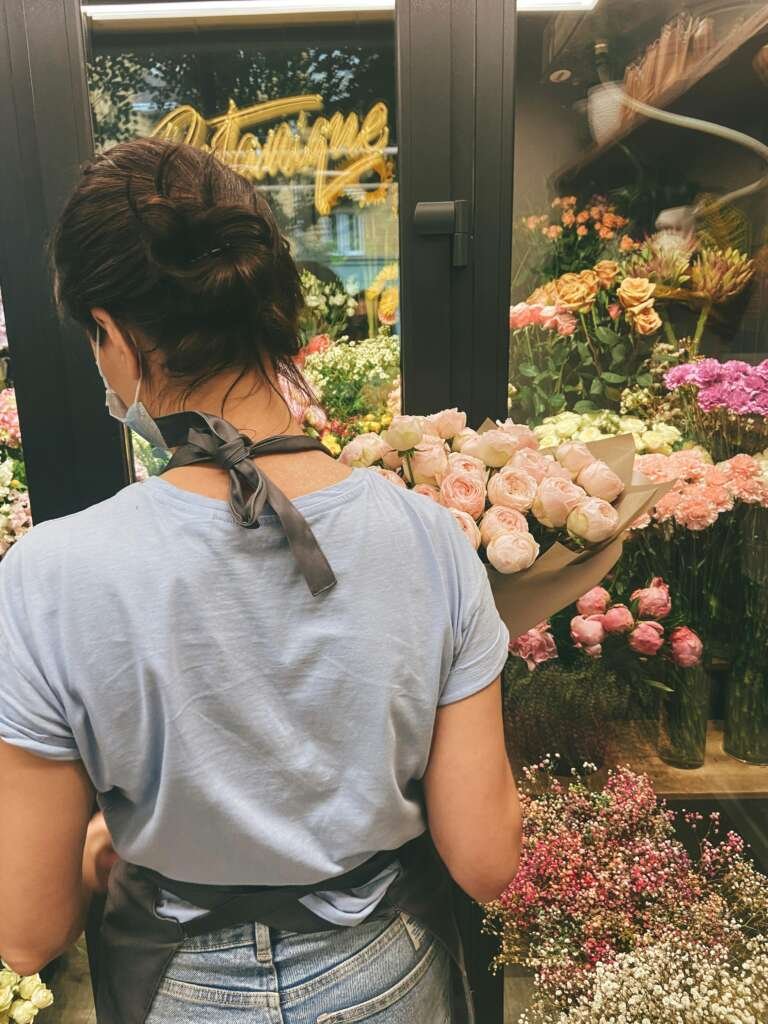
The roses you see in florists shops have most likely been flown half way around the world from farms in more temperate and warmer climates
Flying flowers halfway around the world adds up in emissions. A single rose from Ecuador to the U.S. can rack up the same CO2 as driving a car 100 miles. Other major flower producers like Kenya and the Netherlands ship billions of stems yearly via plane.
Local flowers tell a different story. They travel by truck or train, slashing that carbon load by up to 90%. Think of it like picking apples from your backyard orchard instead of shipping them cross-country. Similar to “food miles”, “bloom miles” mean that shorter trips mean less fuel burned. In 2025 data, U.S. flower imports alone contributed over 100,000 tons of CO2.
Behind glossy ads, many farms skimp on fair pay and safe conditions. Women, who make up most workers, often earn below living wages in hot greenhouses with poor ventilation. Child labor is another concern, despite laws. Reports from 2024 highlight cases in Ecuador where kids help harvest.
Fair trade fixes this. It ensures decent wages and safe spots. Look for labels that back ethical claims. Your choice can lift communities, not just your date’s mood.
Identifying Truly Sustainable Flower Choices
Ready to shop green? The secret is to look for signs of florists and nurseries taking responsibility for the planet and people. Here’s how to spot winners.
Look for Certifications and Labels

Botania Flower Boutique “The Avalon” is a bouquet of roses sustainably grown on a small family-run farm in Ecuador that recycles water and uses solar energy. Shipped in a 100% recycled paper box.
Labels help cut through the noise. Fair Trade Certified means farmers get fair prices and community support. It could even cover social perks like education funds.
Rainforest Alliance Certified checks for eco-practices, like saving wildlife habitats. They ban certain harsh chemicals and push water conservation.
Organic standards, such as USDA Organic, guarantee no synthetic pesticides. Veriflora adds flower-specific rules for sustainability. These seals prove claims aren’t just talk.
Ask your florist, “Do these have third-party certification?” to help weed out fakes.
Prioritize Locally Grown and Seasonal Blooms
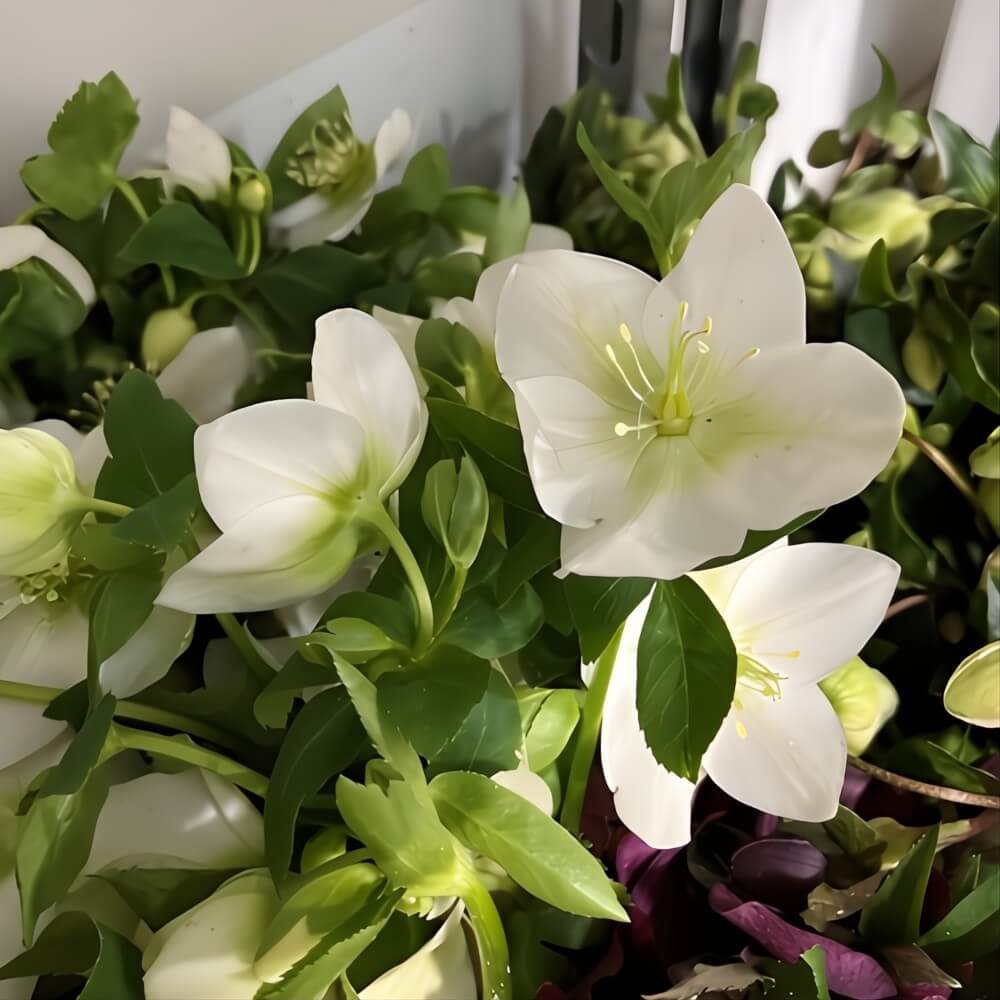
White Helleborus is a graceful bloom that exudes romance and elegance. Known as “Winter Bells,” its soft, creamy white petals and lush green foliage create an ethereal charm.
Seasonal flowers thrive without forcing growth. In February, for temperate zones like the U.S. Midwest, try hellebores, winter aconite, or early daffodils that are hardy and bloom naturally. If you’re unsure, visit your local farmers’ markets or websites like LocalHarvest, which offer a directory of specialized shops sourced from nearby greenhouses. A bouquet grown 50 miles will always be more sustainable than one sourced from a farm 5,000 miles away.
- Check USDA hardiness maps for your area.
- Visit markets on weekends for fresh stock.
- Ask about growing methods to confirm low impact.
Embrace Potted Plants
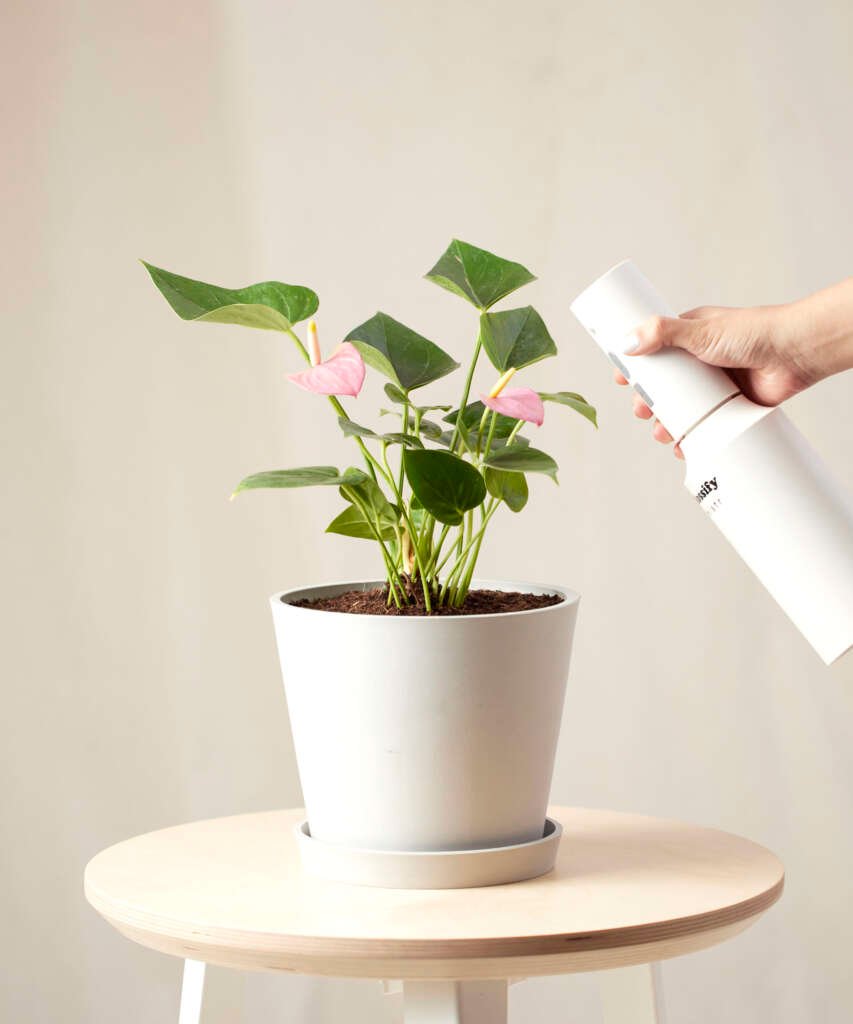
“Widely adored for its signature heart-shaped leaves and elegant flowers, the Pink Anthurium symbolizes compassion and love. This plant makes the perfect gift for a loved one on Valentine’s Day. Known for its low-maintenance nature, this tropical beauty will thrive year-round in a warm bright spot.”
Instead of giving the gift of a week of beauty, why not try gifting potted flowers and plants that last months? Orchids rebloom yearly with basic care. Succulents need little water and fit any space.
Miniature roses in pots offer classic romance without waste. They grow indoors or out, turning your gift into a keepsake. Potted plants are one way to enjoy fresh blooms and cut down on landfill trash. A cut bouquet wilts fast; pots reuse soil. For Valentine’s gift, put the plant in a pot made by a local designer for a personal touch.
Decoding “Eco-Friendly” Language from Greenwashing
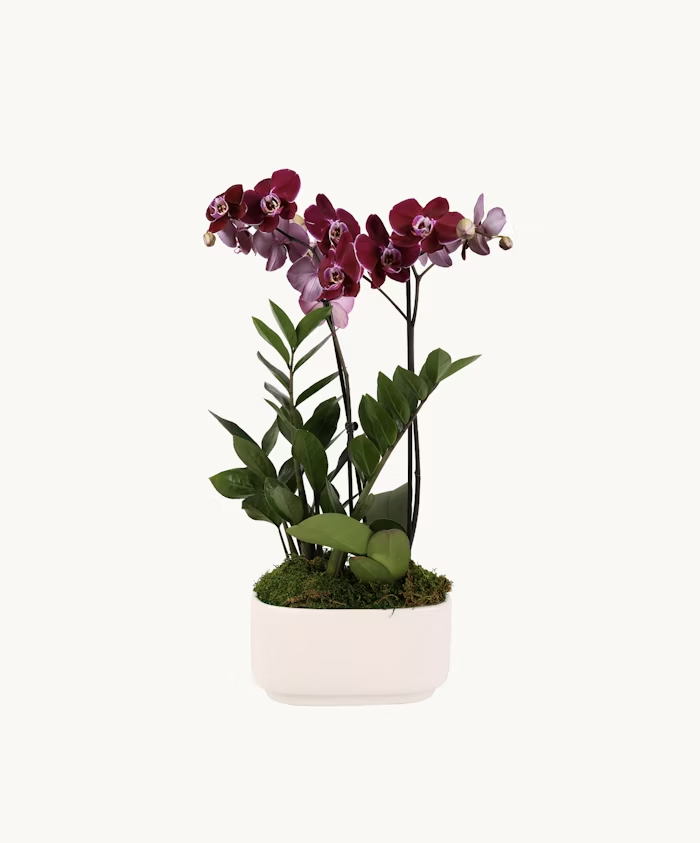
Bloomsbox Orchids $100 are grown on Rainforest Alliance-certified farms in Colombia and Ecuador.
Orchids come in an array of beautiful colors that are just as beautiful as roses. Their blooms last for weeks and, with proper care, can rebloom again and again.
Ads love buzzwords, but not all mean good news. Here are a few tips to spot the fakes:
“Fresh” just means recently cut—no eco-guarantee. “Naturally grown” skips details on chemicals. “Responsibly sourced” sounds nice but lacks proof. Vague claims like this might sound nice, but they can hide issues. One 2023 survey showed 40% of “green” flowers used pesticides. Instead, look for facts. Ask, “Where are the farms located that supply these flowers? Are there any chemical bans?” Are there any certifications, such as Fair Trade?”
Extending the Life of Your Valentine’s Flowers Sustainably
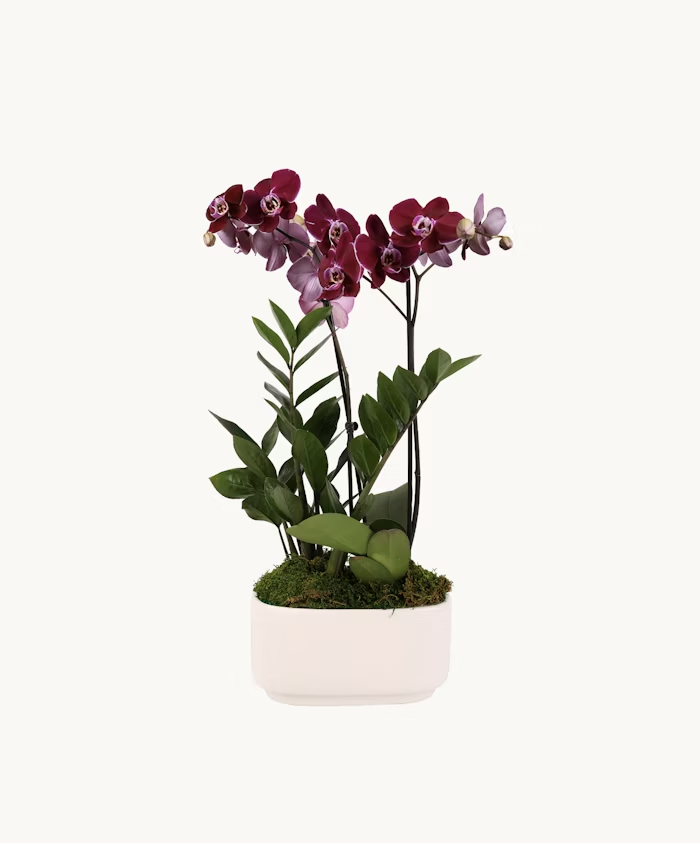
The Sill Festive Amaryllis $119
With minimal care, these easy bloomers reward your Valentine with weeks of flowers
Got your bouquet? Make it last and leave less waste with these simple steps:
Start right: trim stems at a 45-degree angle under water. This pulls more nutrients up.
Use room-temperature water: Cold shocks petals. Skip metal vases—they speed decay.
DIY food: mix sugar, vinegar, and water. Sugar feeds, vinegar fights bacteria. Change water every two days.
These tricks double vase life, and some plants like roses can go from five to ten days easily.
Repurposing and Composting Spent Blooms
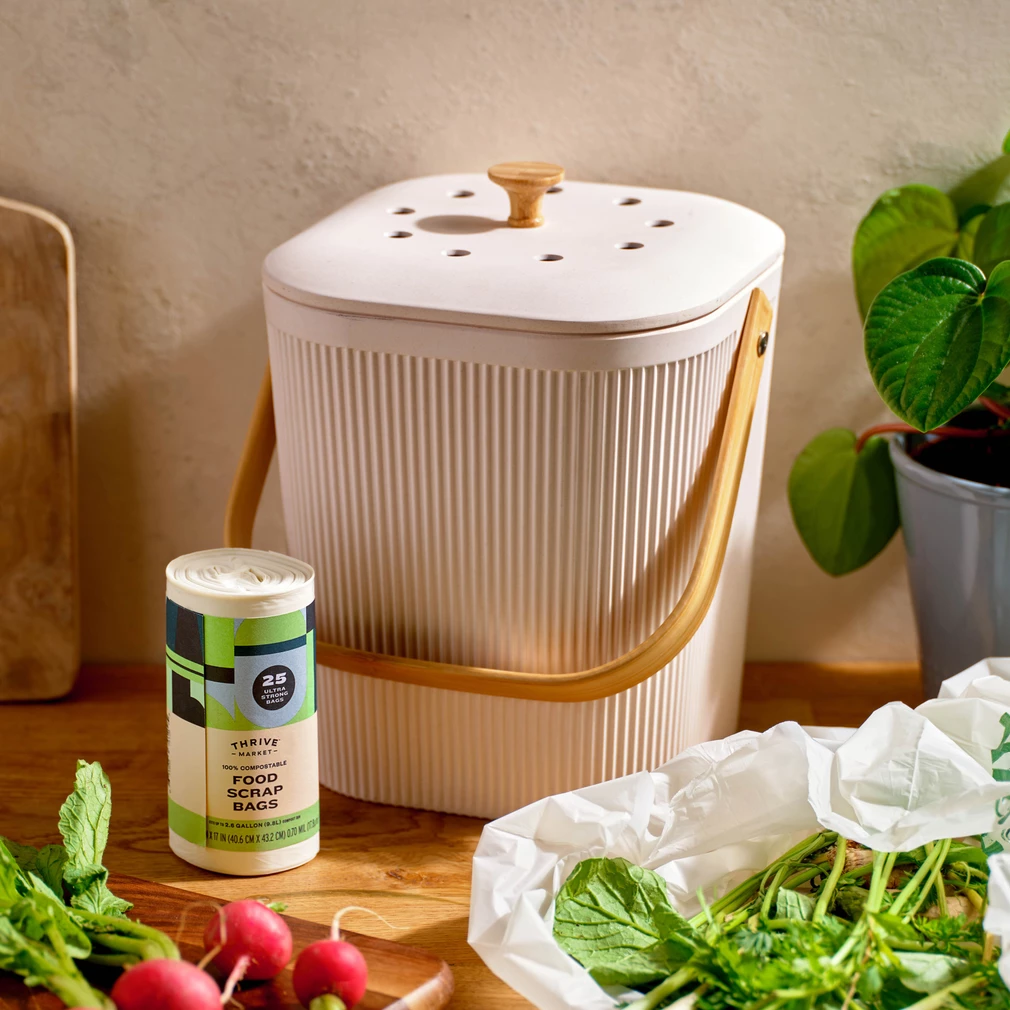
Food scraps can be turned into compost for your garden and plants or into energy fuel through commercial compost systems.
When colors fade, don’t toss them into the trash. Instead, try to repurpose or compost them. Dry petals for sachets or crafts. Press them in books for art. Petals can also be used for homemade bath salts or potpourri, while the stems can be chopped fine for mulch. You can also add flowers to your compost. However, if they’re diseased, skip the compost pile and burn them instead.
Valentine’s Day shines brighter with eco-friendly flowers. Key steps? Buy local to cut emissions, hunt certifications like Fair Trade for ethics, and opt for potted plants to ditch waste. Go green, spread love.