


Share This Article
Will 2026 finally mark the end of fast fashion? Here are not fast fashion brands to support and make the switch.
| All products featured on The Wellness Feed are independently selected by our editors for its environmental and ethical impact. However, when you buy something through our retail links, we may earn an affiliate commission. |
Aside from the plastic-free detox for a greener kitchen, another way to be more sustainable this year is to swap fast fashion brands for sustainable, ethical, and fair trade designers. Streamline your closet with basics in organic and natural materials, sprinkled with fun vintage finds to indulge in a trend or two. That’s not to say that the occasional fast fashion find is all bad. Like any good detox, going cold turkey isn’t always the most useful tactic for longevity. But, with the unhealthy aspects of the industry making more headlines, 2026 might finally be the year we all step back from fast fashion.
Several years ago, fast fashion’s grip on wardrobes seemed unbreakable, as the industry continued to churn out cheap clothes at breakneck speed and personalized ads to convince us shoppers, to chase every viral moment. But this year, a mix of fatigue, stricter regulations, and established sustainable brands will tip the scales. This time, fashion’s latest trends will be in favor of the planet as not fast fashion brands take the lead.
Swapping Timeless Styles For Micro Trends

Four Objects The Sweatshirt is made from certified organic cotton and merino wool certified by the Responsible Wool Standard. Made in NYC $255
Four Objects is a New York-based brand focused on a core pieces made from natural, responsibly-sourced materials.
Quiet luxury and capsules were two rising trends in 2024 that showed a shift in shoppers’ perspectives, one that favored timeless pieces that can be worn again and again versus fleeting trends. After years of constantly shopping for new looks, the industry has appeared to reach a moment of fatigue with shoppers.
Demand For Authenticity
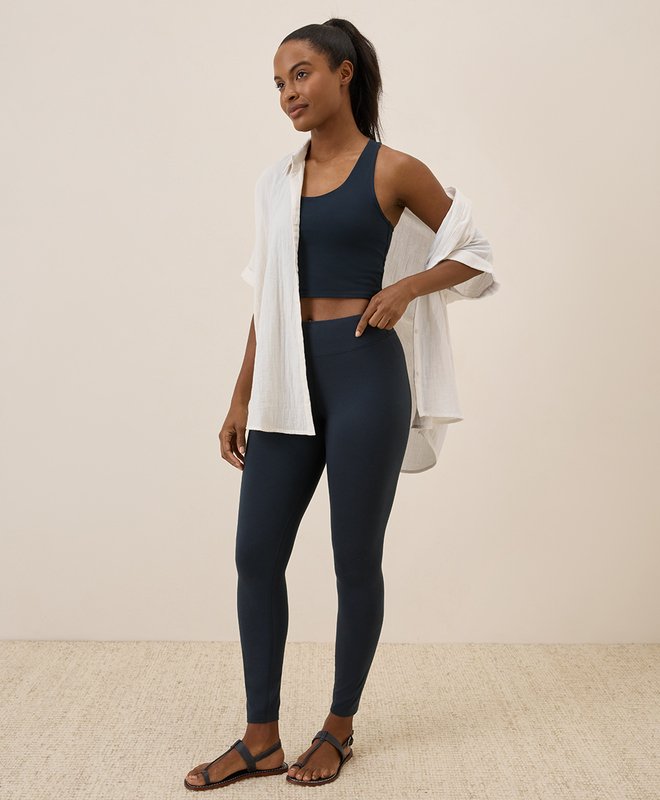
Pact On The Go-To Leggings are made from certified organic cotton in a Fair Trade factory $48 (Sale $28)
Pact is a brand that offers fair-trade organic cotton basics.
As consumer concerns have shifted towards sustainability, many fast fashion brands have crafted marketing campaigns with vague labels and claims. Unfortunately, many of these campaigns are just that, clever marketing without facts. Dubbed greenwashing, this erodes trust with shoppers.
Thankfully, sustainable brands have found ways to verify their sustainable claims with shoppers- sustainability reports, certifications from 3rd parties, and partnering with reputable organizations and nonprofits.
Governments Tighten the Reins
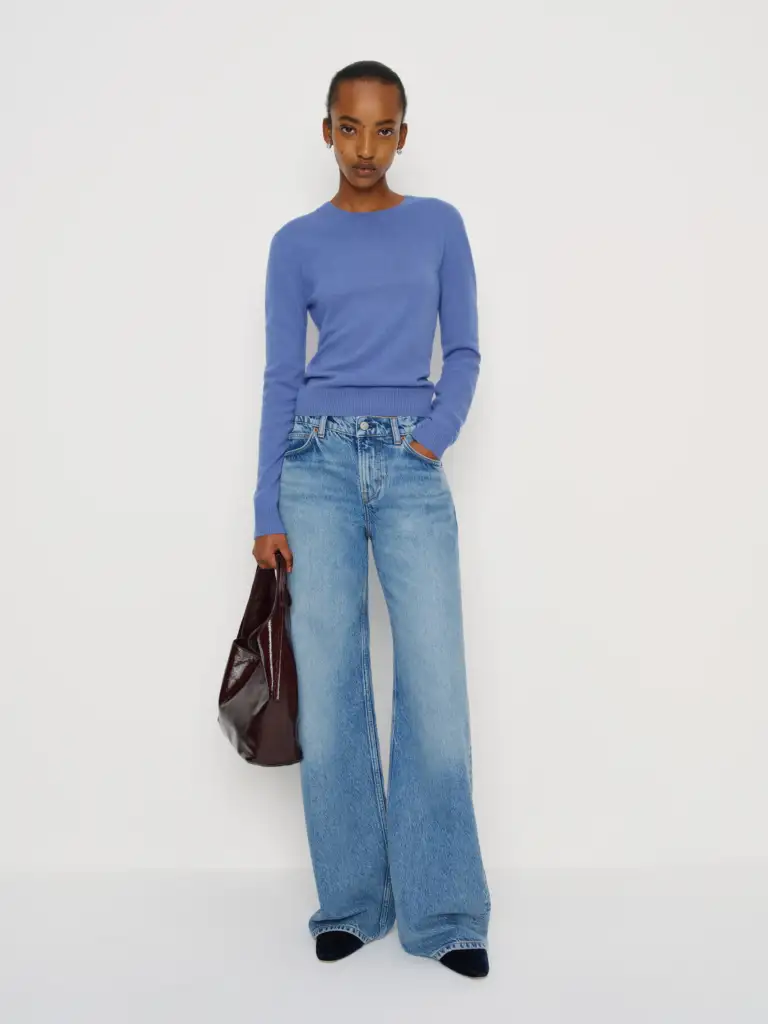
The Reformation Lian Cashmere Crew Sweater is made from 95% Recycled Cashmere, 5% Cashmere in an ethical factory in China. $178
The Reformation is a California-based brand focused on trendy styles in natural & recycled fabrics.
Laws are catching up to the mess fast fashion leaves behind, and governments are enforcing stronger regulations to curb brands’ wasteful practices. In the EU, the Extended Producer Responsibility policy will hold brands responsible for textile waste across the supply chain.
Enforcement starts strong in Europe, but the impact will have a ripple effect as other countries, such as the U.S, eye similar rules, pressuring global chains.
Transparency Mandates and Supply Chain Disclosure

Nisolo Ana Go-To Heeled Chelsea Boot is made from leather certified by the Leather Working Group $250 (Sale $79)
Nisolo is one of the first brands to offer Sustainability Facts, allowing customers to learn more about factories where items are made.
New legislation, such as the Fashion Act, will demand full transparency across the supply chain. Brands are undergoing pressure to reveal factory locations and material sources to ensure that all sources meet ethical and responsible standards.
The ‘Right to Repair’ and Durability Standards
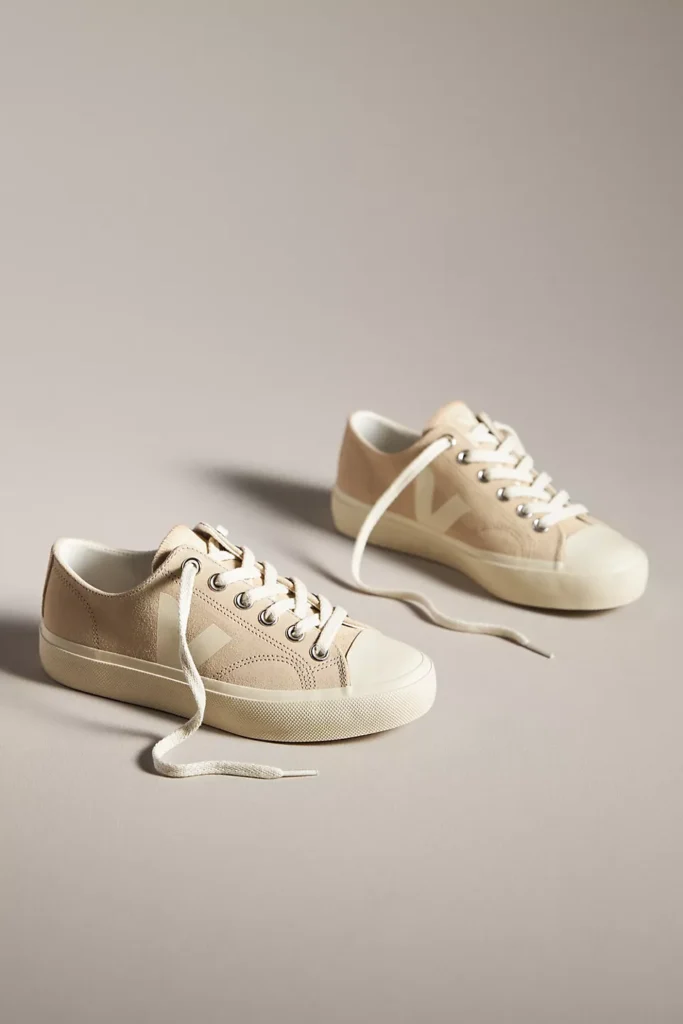
Veja Wata II Low-Top Sneakers are made from 100% organic cotton and Amazonian rubber. $135
Veja offers repair services at its stores from Brooklyn to Paris.
Laws such as the “Right To Repair” will expand from tech into fast fashion, mandating that products will be tested to meet minimum lifespans, made for durability, and can easily be repaired and mended.
These standards, if locked in by 2026, rewrite the game. Fast fashion fades as durable design takes center stage, backed by law.
The Rise of Rental, Resale, and Refurbishment Platforms
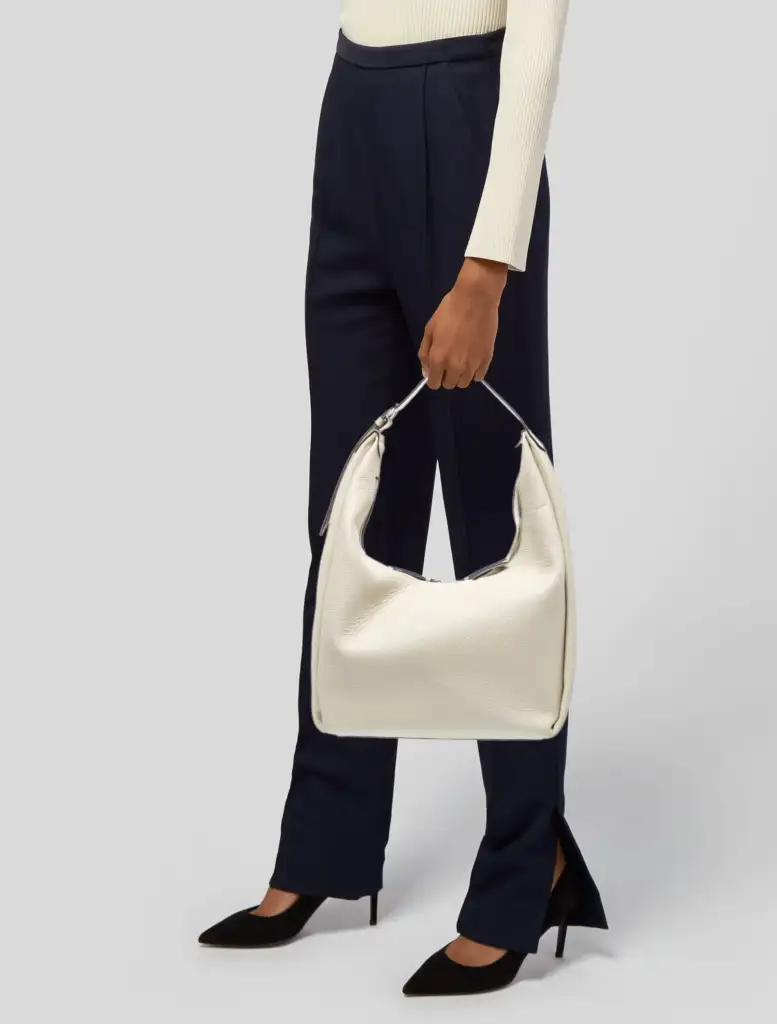
The RealReal Toteme Handbag in Ecru $975
The RealReal is a secondhand site for designer clothing and accessories.
Consignment and resell platforms bring a second life to items. Instead of becoming trash, gently worn clothing and accessories can be reworn and reloved. And, customers have a chance to shop for unique finds they won’t find anywhere else. As the popularity of these sites catches on, major brands such as Levi’s and Patagonia are also offering their own resale platforms.