

Share This Article
Reduce your food waste. Eat all of your food. Beet leaves are just 1 of the 7 nutritious and edible leaves and peels you should never throw out!
Being sustainable and healthy often times go hand in hand. Take, for instance, peels from fruits and vegetables. It’s common to peel away potato skins or beet greens. But what happens when we take a cue from nature and acknowledge their potential as vital nutrients for our body or a boost to our soil? Using peels and leaves in our meals can boost our health and help cut down on food waste.
Peels, similar to the flesh of fruits and vegetables, hold nutrients. For instance, citrus peels have high doses of vitamin C and flavonoids, powerful antioxidants. Potato skins offer fiber and potassium. Apple peels contain polyphenols that fight free radicals. All of these nutrients support immune health, digestion, and vitality. And, incorporating them into your diet or gardening routine cuts down on food waste.
Every year, millions of tons of food go to waste worldwide. In the U.S 40% of food produced goes uneaten and ends up in landfills. This waste contributes to greenhouse gases, approximately 170 million metric tons of CO2 in the U.S, or the equivalent of 42 coal-fired power plants. Not to mention it squanders precious resources like water and energy used to grow food. Using peels and leaves in our cooking or gardening reduces this load, helping to conserve resources, reduce emissions, and contribute to climate change.
Apple Peels
Eat your apple peels; they’re full of fiber, vitamin C, and polyphenols. In fact, the highest concentration of these nutrients is found in the skins. Eating apple peels boosts digestion, reduces inflammation, and enhances your body’s antioxidant defenses. Want a fun twist? Brew apple peels into a tea or blend them into smoothies. Have a dehydrator? You can also sprinkle dried peels on yogurt or bake them into delicious chips.
Potato Peels
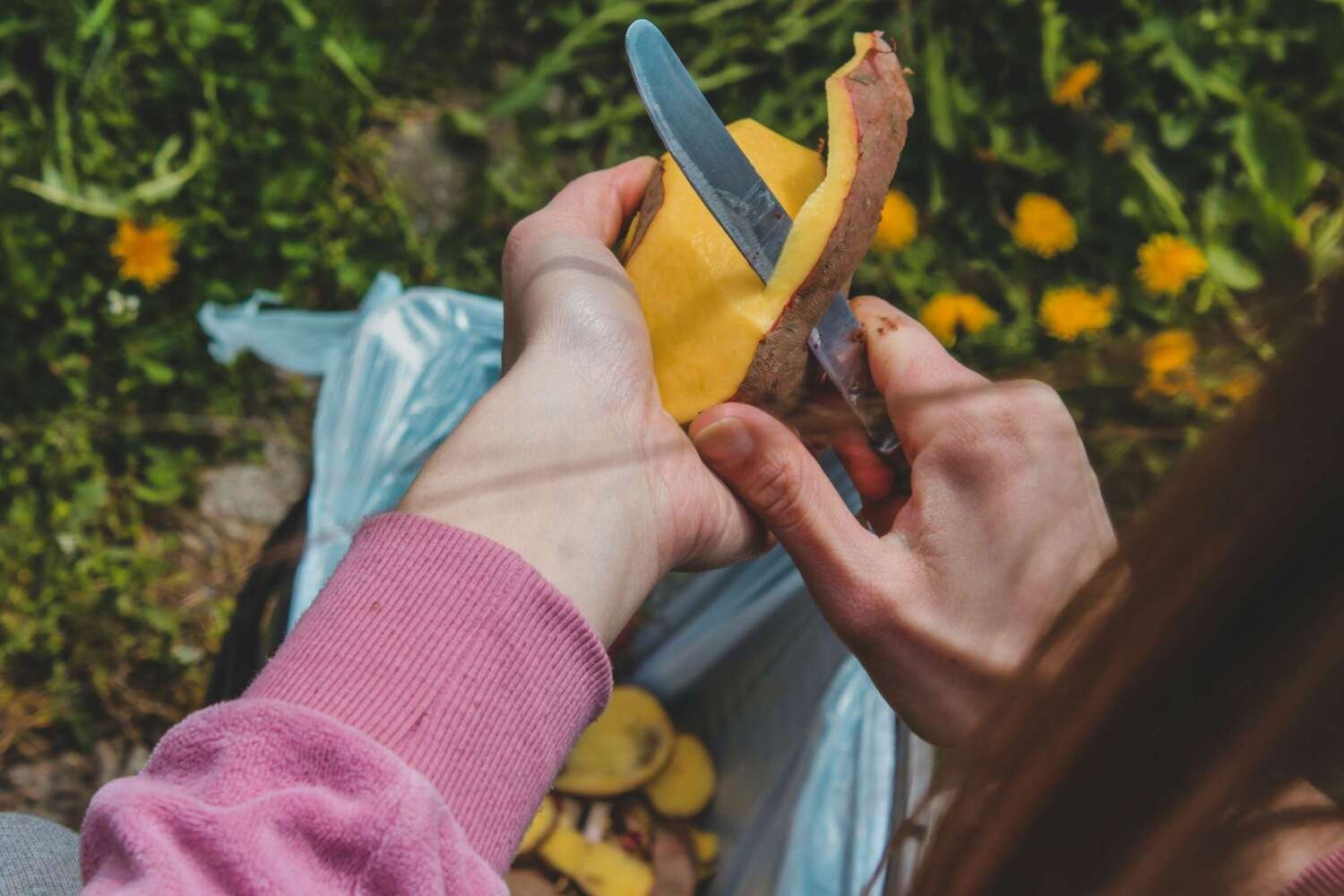
Similarly, potato skins have an abundance of antioxidant and anti-inflammatory compounds. One study found that leaving the skin on can increase nutrients: 175% additional vitamin C, 115% extra potassium, 111% more folate, and 110% added magnesium and phosphorus than one without the peel. These nutrients support heart health and aid digestion. Leave the skins on or bake the skins until crispy for a delicious snack.
Eggplant Peels
The vibrant colors of fruits and vegetables are often a sign that they’re rich in vitamins and antioxidants. Eggplant is no exception. Its dark purple skin contains the antioxidant nasunin that helps protect against oxidative stress and ageing in the brain tissue. Grill your eggplants whole and make sure to leave the skin on for brain-boosting nutrients.
Cucumber Peels
Bet you wouldn’t have guessed that cucumbers are rich in the antioxidant beta-carotene. Generally, it’s linked to red and orange plants, as it gives them their pigment. But cucumbers have a nice amount too. The skins also provide fiber and Vitamins K and C. Not to mention, they’re incredibly hydrating. Use cucumbers are garnish for your drinks or simply slice for a quick snack.
Beet Leaves
We know that the leafy tops of beets are often overlooked, especially because the jewel is the rich ruby veggie at the bottom. But next time, try tossing the leaves into a salad or steaming them with your meal. They’re a rich source of flavonoids, which have anti-cancer, anti-inflammatory, and anti-viral properties.
Turnip Leaves
Eat them raw or steamed. Just don’t throw them out! Turnips are a powerful source of nutrients. But so are their leaves, which, unfortunately, are often thrown out. A cup of raw turnip greens offers a hefty dose of minerals like phosphorus, magnesium, and potassium, and vitamins C, A, K, and Folate.
Broccoli and Cauliflower Leaves
If you buy a whole head of cauliflower or broccoli, you might notice that they have a full crown of leaves framing the florets. Don’t discard those green leaves; they’re edible and rich in Vitamins C and A, and phenolic compounds. In fact, the leaves have higher levels of phenolic compounds, which reduce inflammation in the body and protect the cells against free radicals.
What’s great about a lot of these peels and greens is that it doesn’t take much to add them to your diet. Simply leave the skin on your apple before you eat it. The same goes for any of the veggies on this list you enjoy raw. The benefits- antioxidants and vitamins that improve your digestion, brain, and heart health- far outweigh adding more items to your trash. And, you can always experiment with salads or veggie chips to create the perfect healthy snack for your taste buds. Either way, you’ll benefit your health and live a little more sustainably too. Reduce food waste. Eat all of your food.