


Share This Article
The Trump administration rolled back a pillar of the Clean Air Act. Here’s how clean air task forces are fighting back.
A law that has upheld the regulation of air pollution for nearly two decades is suddenly crumbling. The Endangerment Finding issued under President Obama’s Environmental Protection Agency (EPA) in 2009 set legal standards to regulate mercury, methane, and four other hazardous pollutants from coal plants. Further strengthened under the Biden Administration, it declared greenhouse gases a danger to public health and welfare and paved the way for federal controls on emissions from cars, factories, and power plants.
Now, in early 2026, under the Trump administration, the EPA signaled its plans to rescind the endangerment finding. As a pillar of the Clean Air Act, this move marks a bold turn from regulating emissions, greenhouse gases, and toxins in our air. And it could allow higher concentrations of these emissions that contribute to climate change and adverse health effects for millions of Americans.
Hearing about this push to roll back a monumental law that protects our air quality probably sounds a little disheartening. But on a positive note, this decision is being challenged in court by public health and environmental groups, including the American Public Health Association, Conservation Law Foundation, and Sierra Club. And there are ways we as concerned citizens can band behind them and offer our support.
What the Endangerment Finding Established
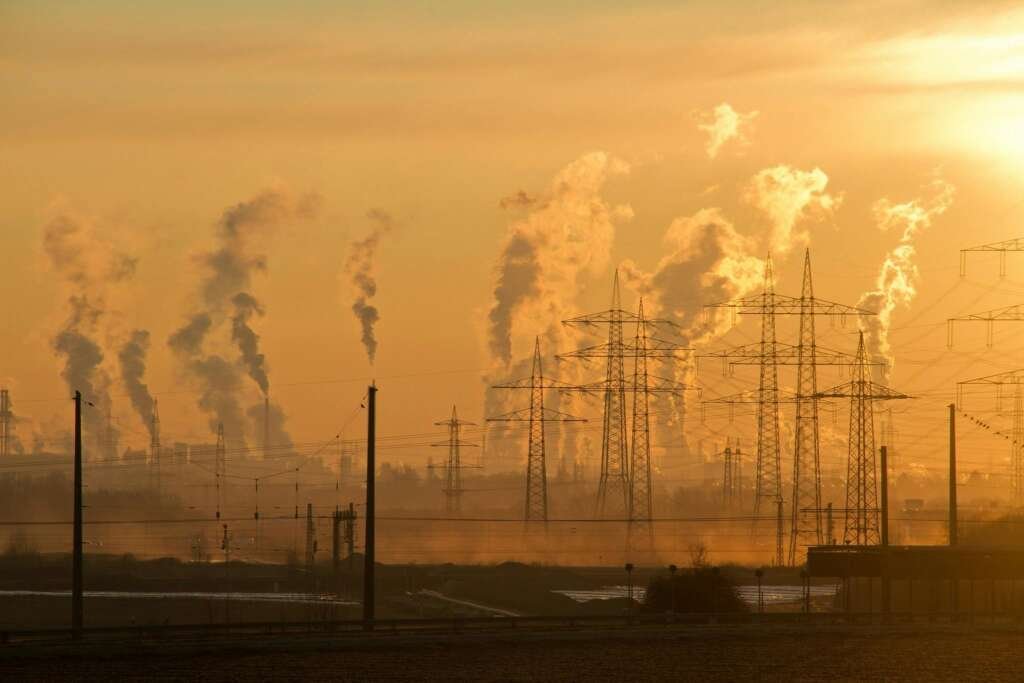
Before the Clean Air Act, residents of cities like New York were exposed to dangerous levels of pollutants, including lead, nitrogen dioxide, and carbon monoxide. A 2020 EPA report found that the act prevented 370,000 premature deaths.
Some could say that 2007 was a pivotal year for the government regulation of air pollution and the precursor to the Endangerment Finding. That year, the Supreme Court stepped in with a game-changing ruling- Massachusetts v. EPA, where justices stated that the EPA had to judge if greenhouse gases harm people or the environment. Twelve states, along with various cities and organizations, led the charge, urging the EPA to set emissions standards for air pollution.
At the time, the EPA argued that it lacked authority to set standards and that it was unnecessary. However, the decision granted the EPA the authority and opened doors to federal actions that gave regulators clear duties to protect air quality. The “EPA must determine whether or not emissions from new motor vehicles cause or contribute to air pollution which may reasonably be anticipated to endanger public health or welfare.”
Because of Massachusetts v. EPA, the Clean Air Act allows the EPA to set limits on car and truck emissions if pollutants threaten health or welfare. In 2009, EPA scientists cited studies showing that carbon dioxide and methane drive global warming, leading to wildfires, floods, and adverse health effects like asthma spikes. Under the act, 8,200 large emitters of climate pollution are required to report their yearly emissions to the EPA.
Trump’s Plan for the EPA
In 2026, the Trump administration began questioning the EPA’s authority, arguing that the studies presented in the finding are outdated. However, some experts argue that this is inaccurate because reports from 2025 back these reports from more than a decade ago with fresh data on the correlation between greenhouse gas emissions and extreme weather and poor health.
Trump’s EPA Administrator Lee Zeldin announced that it was rescinding its own findings and eliminating the greenhouse gas emissions standards and legal limits. In a press release, the EPA stated that the Obama-era EPA exceeded its “authority to combat ‘air pollution’ that harms public health and welfare,” and that “Effective immediately, we’re repealing the ridiculous endangerment finding and terminating all additional green emission standards imposed unnecessarily on vehicle models and engines between 2012 and 2027 and beyond.”
How This Will Impact Climate Laws
Ditching the finding will shake the regulations built on it. Take vehicle standards: the 2012 rules cut car emissions by billions of tons over time. “By scrapping vehicle global warming pollution standards today, the Trump administration has co-signed the release of more than 7 billion tons of planet-warming emissions nationally in the decades ahead,” Dr. Gretchen Goldman, president and CEO of the Union of Concerned Scientists, said in a statement.
The 2015 Clean Power Plan also drew from this foundation. Without it, states might see looser controls on coal plants. Other targets include methane leaks from oil fields. In 2024, rules saved an estimated billion in health costs. Revocation could unwind these, boosting short-term profits but hiking pollution and its adverse effects in the long run.
This federal pullback could also weaken or block state regulations. In 2025, California limited vehicle emissions and pushed zero-emission vehicle sales to 35%. Without the national finding, opponents might challenge its laws in court. Similarly, New York mandated for greener buildings. A void in Federal regulation could spark patchwork laws, confusing lawmakers and ultimately rolling back climate protections.
How Can We Impact the Future of Climate Regulation?
It’s no surprise that environmental and health groups have responded with their own legal claims, suing the EPA for revoking established scientific findings and legal precedent. “The EPA has a duty to consider the well-being and safety of all, and the science is clear; climate change and air pollution threaten everyone’s health,” said Georges C. Benjamin, MD, chief executive officer of the American Public Health Association. “To reverse course now… weakens our nation’s ability to address the severe health impacts caused by climate change.”
The very groups that address the health impacts of air pollution year-round are also the organizations suing the current administration for failing to do so. And, they offer opportunities for concerned citizens to be involved and advocate for our fundamental right to clean air.
The Environmental Defense Fund: As one of the nation’s top environmental organizations, there are several areas of interest you can be a part of. Concerned about the current state of the EPA? The site offers a tool you can use to send a letter of concern to the Trump Administration.
American Lung Association: This organization focuses on strengthening clean air regulations to benefit our health. Use their website to learn about current regulations, download activist kits, and petition your local lawmakers to advocate for clean air policies.
Moms for Clean Air: You don’t have to necessarily be a mom to be concerned about the environmental and health impacts on the next generation. This organization offers resources such as petitions, phone calls, letters, testimonies, and even social media campaigns you can be a part.
