


Share This Article
This guide shares how to enjoy your morning cup of tea and all its health benefits while avoiding microplastics in tea bags.
| All products featured on The Wellness Feed are independently selected by our editors for their environmental and ethical impact. However, we may earn an affiliate commission when you buy something through our retail links. |
Few things are as comforting as your morning ritual. It gives us a moment to stop and breathe, reflect on the day ahead, and take a moment for ourselves. For many, that involves coffee, while for others it’s all about tea. Sourced from a variety of plants, teas are rich in antioxidants and trace minerals. Green teas are a great source of phenolic compounds (anti-inflammatory) and magnesium (helps to regulate the body’s blood sugar and calcium levels). Hibiscus is antiviral, and black tea can lower blood pressure.
Unfortunately, coupled with the health benefits of tea are health concerns: micro and nano-plastics. Tea bags account for nearly 70% of the tea market, and most are made from plastics that leach billions of tiny plastic particles into your morning cup of tea. These tiny plastic fragments can enter our bodies with every sip, causing inflammation, oxidative stress, and endocrine disruption. So, what’s a tea drinker to do in a plastic world? We’ve researched the best tips to ensure your next cup is plastic-free.
The Plastic Problem in Tea Bags
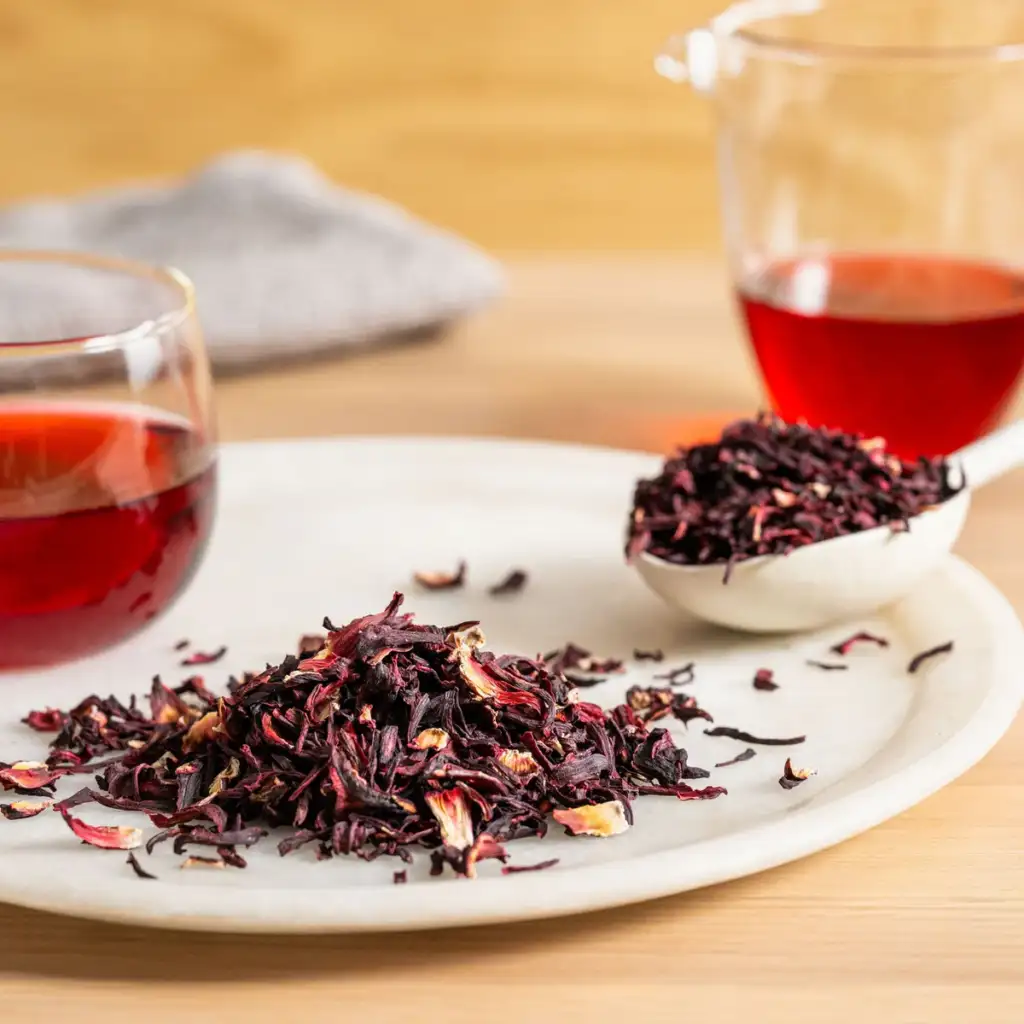
Hibiscus Flower Tea is a tangy, sweet herbal tea with a vibrant cranberry color. Zero Caffeine. USDA Organic. Sourced from Egypt. 1 Pound $27.50
Plastic is not something you expect to find in your tea. However, many brands use it to make their tea bags stronger or to give them a specific shape. The standard pyramid-shaped mesh bags are generally made from nylon, polyethylene terephthalate (PET), and polypropylene. When you steep your tea in hot water, these plastic bags release billions of plastic particles less than five millimeters long, called micro and nanoplastics, into your hot drink.
Scientists are still studying the effects of ingesting these plastic particles. We do know that these plastic particles travel through our bodies, with some studies suggesting that microplastics might irritate the gut, disrupt the endocrine system, and cause inflammation and oxidative stress. While research is ongoing, the safest choice is to avoid consuming plastic when possible. You do not need to drink plastic to enjoy your morning tea.
Plastic-Free Tea Bag Alternatives
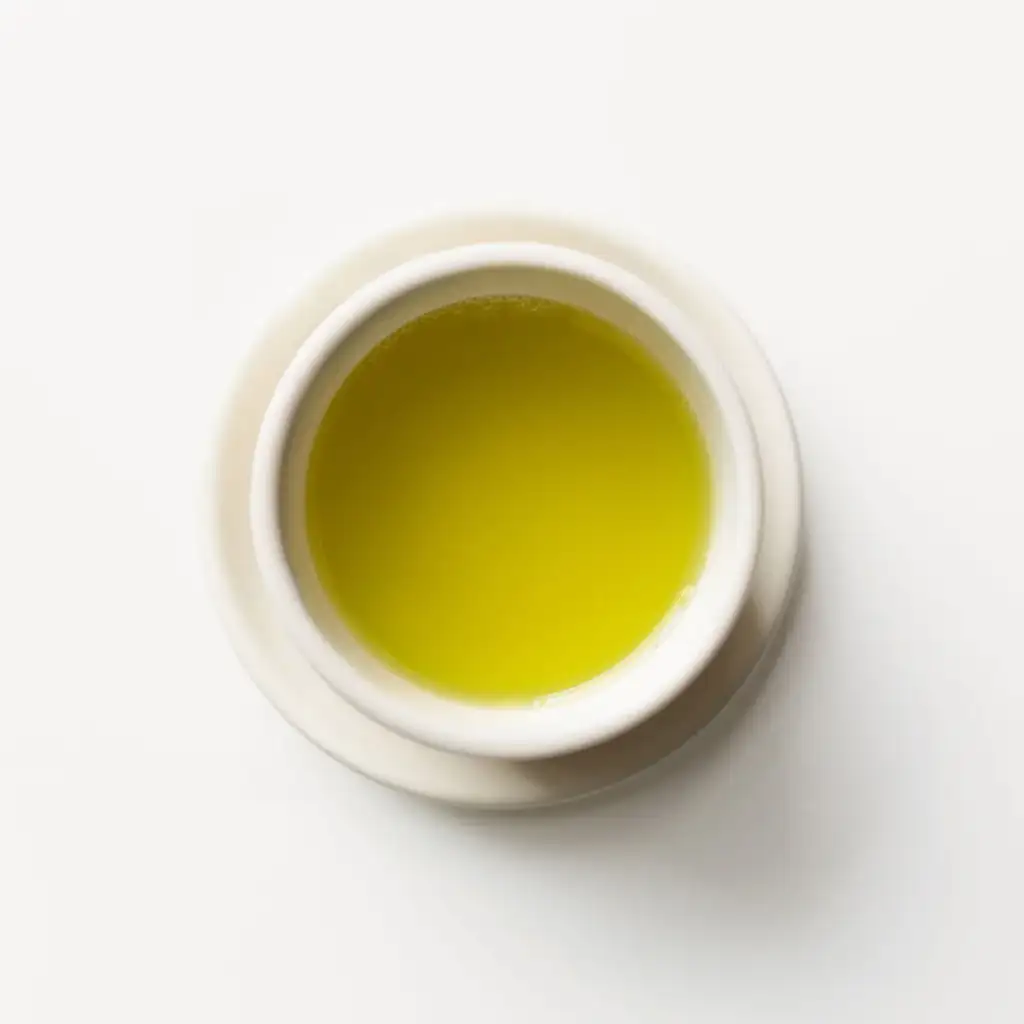
Organic Sencha Green Tea has a bittersweet umami flavor. Sourced mostly from mostly from high grown gardens in Shizuoka, Miyazaki, Japan. USDA Organic. 50 Grams. $20.50
You can find tea that is free from plastic. The easiest route to avoid microplastics is to purchase loose-leaf teas in tin or cardboard containers. But if you’re someone who prefers to have your perfect tea portions already divided for you, take a little extra care to avoid plastics.
When you buy tea, check the box. Look for specific information about the bag material. Avoid terms like “nylon,” “PET,” or “polypropylene,” which are all plastic. Instead, look for teabags made from 100% paper are compostable, or are 100% plastic-free. Companies shifting to plastic-free options may also use materials like silk, cotton, cornstarch, wood pulp, or unbleached paper. These bags do not release plastic particles when you pour hot water over them.
Look for brands that clearly state their tea bags are made from plant-based materials. If a company does not list the material of the bag on the box, it might be best to choose a loose leaf option.
The Best Brewing Methods for Plastic-Free Tea
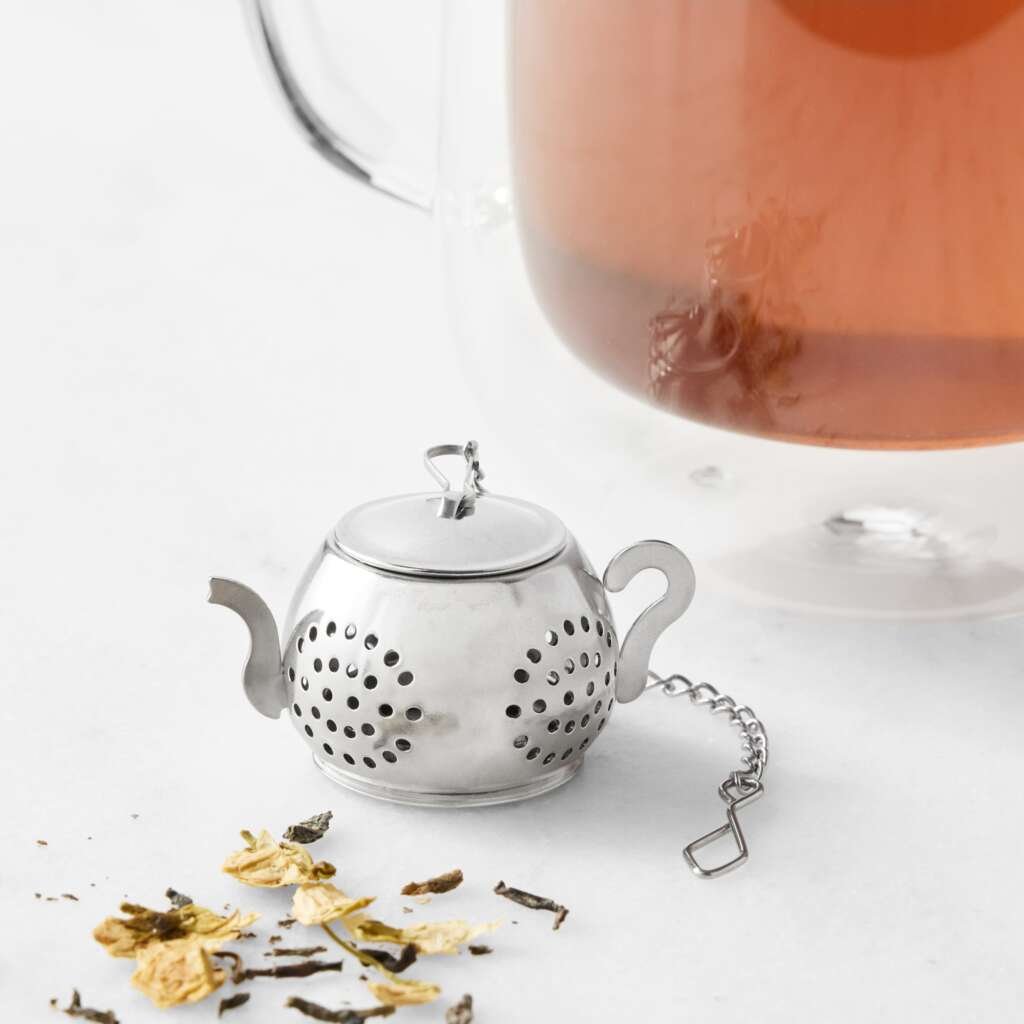
Williams Sonoma Novelty Stainless-Steel Tea Infuser $14.95
Designed to steep loose-leaf tea and infusions. Crafted of stainless steel with polished finish. Free of BPA, lead and cadmium.
The best way to avoid microplastics from tea bags is to stop using bags entirely. Loose-leaf tea offers a better flavor and eliminates the plastic risk. Similar to coffee, there are several steeping options to choose from for your perfect morning brew.
The Classic Infuser: A Timeless Solution
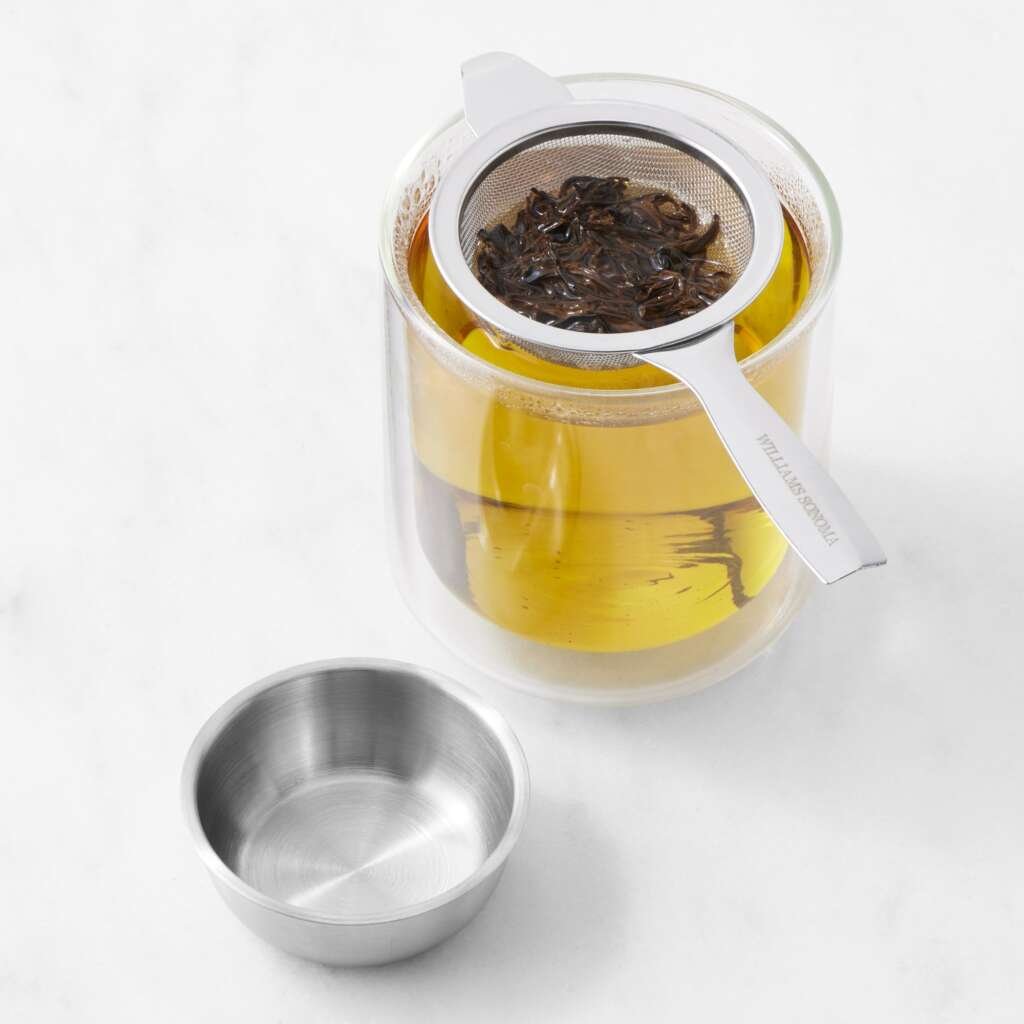
Williams Sonoma Tea Strainer with Drip Bowl $22.95
Designed to steep loose-leaf tea and infusions. Crafted of stainless steel with polished finish. Free of BPA, lead and cadmium.
An infuser is a simple metal or glass tool. You put your loose leaf tea inside the infuser and place it in your mug. Pour hot water over it, let it steep, and remove the infuser. Metal infusers are easy to clean and last for years. You can buy them in ball shapes, basket shapes, or spoons. This method lets the tea leaves expand, which often creates a better taste than cramped tea bags.
Stovetop Brewing: A Simple and Effective Approach
You can also brew tea directly in a pot. Add water and loose tea leaves to a small saucepan. Heat the water on your stove. Once it reaches the right temperature, let the leaves steep in the pot. Then, pour the tea through a metal strainer into your cup. This is a very traditional way to make tea. It is also very cheap because you do not need special tools, just a regular strainer.
A Glass Pot: An Elegant Display for Guests
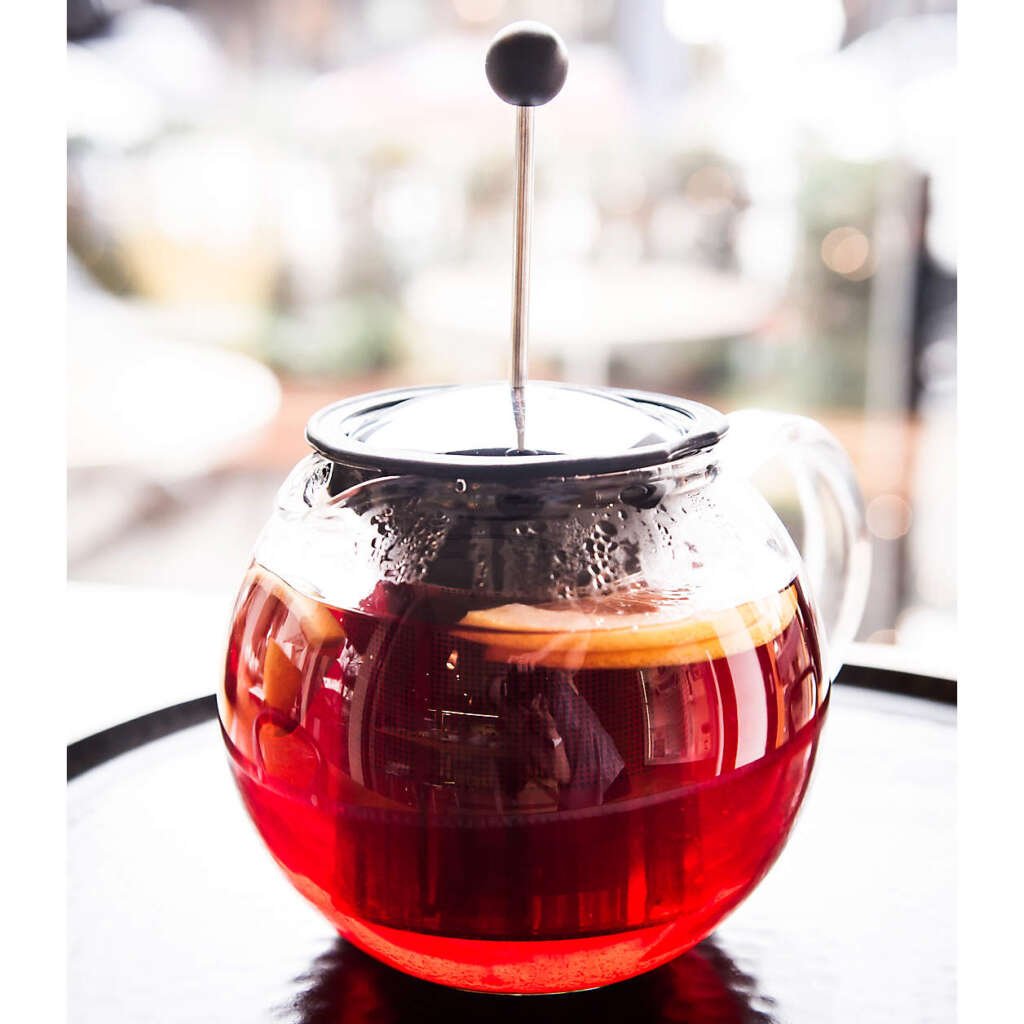
Bodum ® Assam Tea Press $39.95
Borosilicate glass. 1L/34-oz. capacity, enough for 8 cups. Heat-resistant glass pot is microwave-safe. Handmade in Portugal.
A glass pot is perfect for tea. Put your loose tea in the container and add hot water. Let it steep for the recommended time. Then, push the plunger down. The metal mesh filter traps the leaves at the bottom, giving you a clean cup of tea. Glass pots are usually large enough for multiple cups, so they’re perfect when entertaining guests.
Supporting Brands Leading the Change
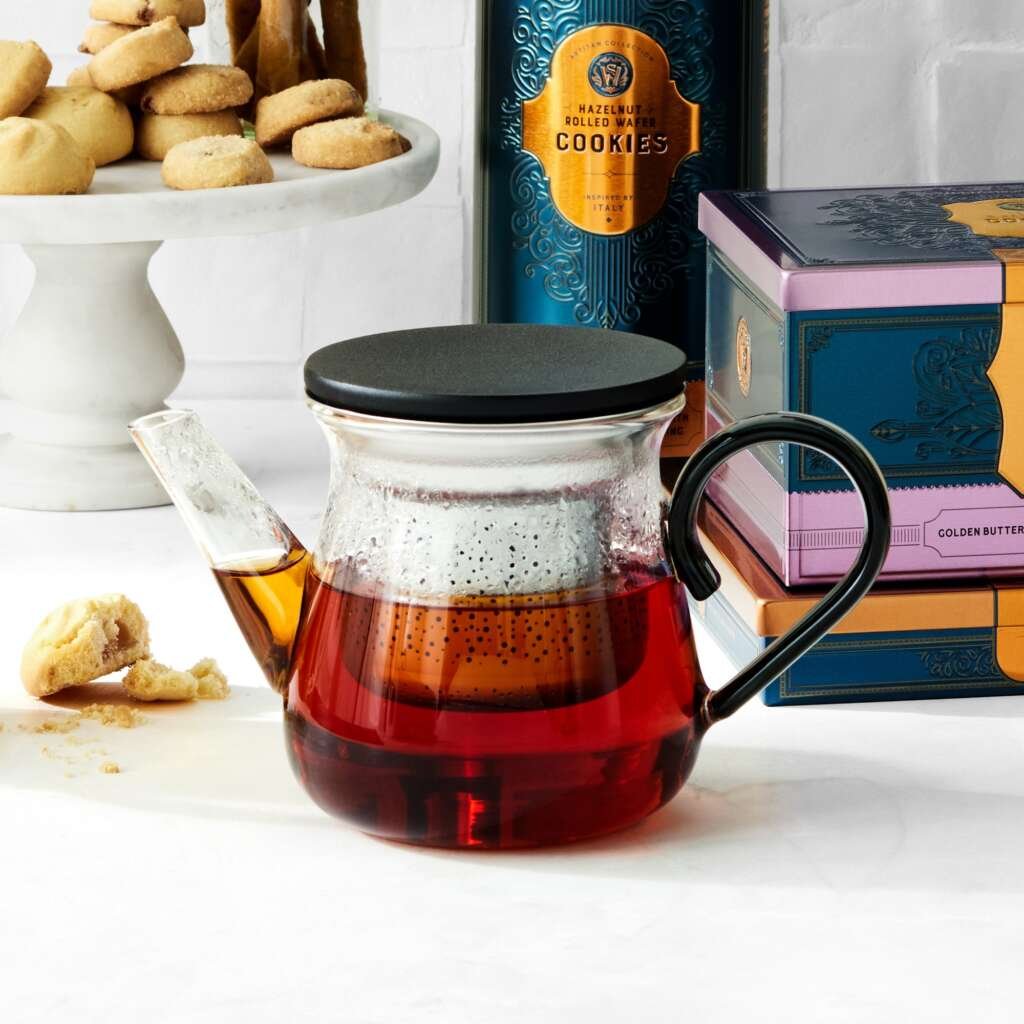
Williams Sonoma Tea Infuser Pot $44.95
Blown-glass carafe. Removable stainless-steel infusion insert. BPA-free lid.18.5 oz. (2 1/4-cups).
Avoiding microplastics makes your daily tea habit both healthier and more sustainable. Spend a few minutes researching your favorite tea brands. Are their teas certified Fair Trade or Organic? Do they mention compostable or plastic-free bags and packaging? If you cannot find this information, send them an email. Our questions encourage companies to be more transparent. When we as consumers demand better packaging, brands often change their practices to keep your business.
Many tea companies now offer plastic-free options. Some only sell loose leaf tea, which is the easiest way to avoid microplastics. Others have switched their entire range to compostable paper bags. Support these companies. When we buy from brands that value our health, we vote with our wallets. This helps the entire market shift away from plastic.