

Share This Article
Yes, you can wash your alpaca, wool, and cashmere sweaters. Designers Mae Fatto & Ku Scheinfeld of FOUR Objects share how to wash sweaters and keep them in perfect condition for years to come.
| All products featured on The Wellness Feed are independently selected for their environmental and ethical impact. However, we may earn an affiliate commission when you buy something through our retail links. |
Mae Fatto & Ku Scheinfeld know a thing or two about how to care for delicate sweaters. The women, who met in the dorm hallways of Parsons School of Design, reunited decades later as the founders and designers of FOUR Objects. The slow fashion brand is known for sumptuous knits and boyfriend button-downs all sourced from natural materials- alpaca, wool, merino, organic cotton, linen, and silk. Each material is responsibly sourced and dyed, which is part of what has earned the brand its B Corp certification. As for the lusciously soft knits, they’ve earned a cult following (myself included) and deserve to be washed with care. These are heritage pieces I look forward to passing down to my daughter.
Sadly, knowing how to properly care for my clothes is a skill set I’ve lost thanks to the “toss it into the washer and dryer” mindset of fast fashion. Yet, as I collect the softest alpaca sweaters you’ll ever lay your hands on and other heritage-quality pieces, I’m reminded of these lost skills. I have clear memories of rolling sweaters in a towel with my great-grandmother. She was adamant that it was the proper way to dry them without distorting their shape. Afterwards, they were always laid flat to dry, never hung. These are the types of tips I’m relearning to ensure the pieces I love will look good for years to come.
When you find clothes you love, it’s a good idea to learn how to take care of them. Mae and Ku offer great tips for how to wash sweaters, keep their shape, and even how to safely store them from pesky moths. And, if you haven’t already begun collecting their sumptuous knits, I highly recommend starting with their alpaca sweater as a cozy treat for yourself this holiday.
What’s the best way to store sweaters?
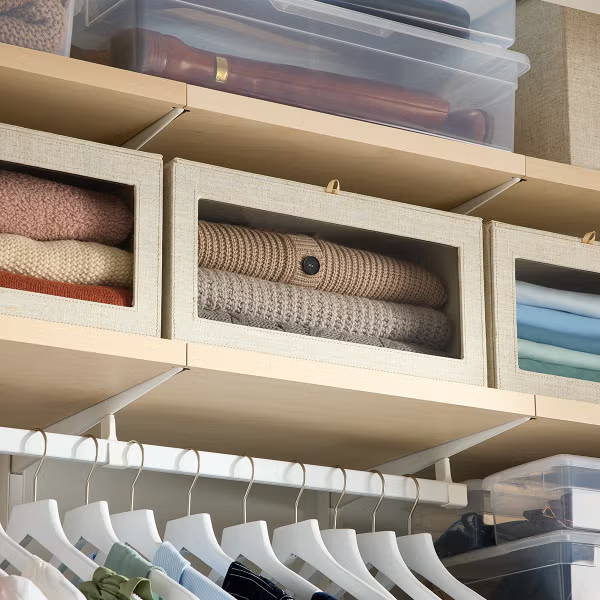
Cambridge Drop-Front Sweater Box organizes shelf space in your closet and protects your sweaters. $35.99
The sophisticated design looks elegant, and the clear front makes it easy to see your sweaters.
Always folded, never hanging. We like to include a natural sachet that doubles as an insect repellent and also smells nice.
*Bonus Tip: Invest in proper storage items to ensure your sweaters will be safe from losing their shape and from moths. Prevent snags from wooden drawers with drawer liners to create a smooth surface. Storage boxes or sweater organizers neatly fit in closets and protect sweaters.
What are natural ways to repel moths?
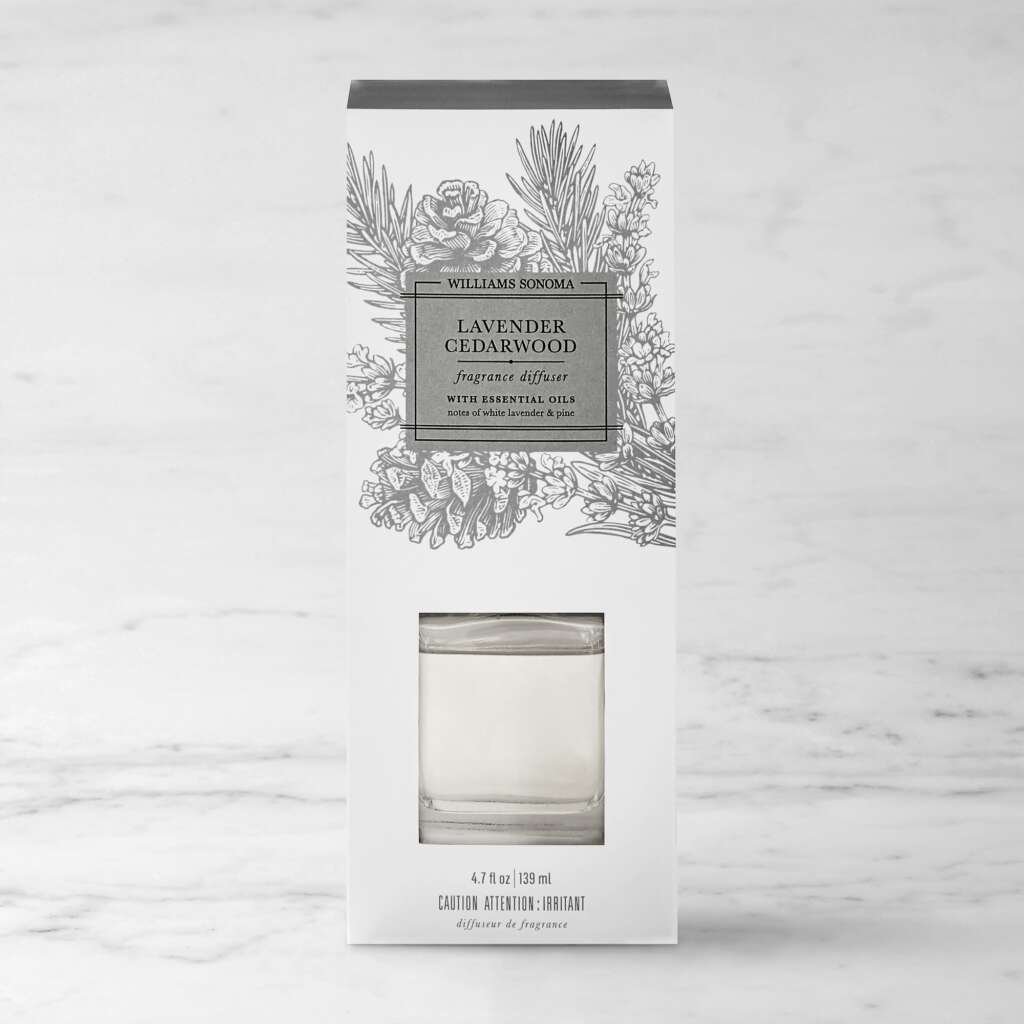
Williams Sonoma Lavender Cedarwood Fragrance Diffuser will give your closet a light, floral scent and help repel moths. $29.95
Moths are attracted to oils and food remnants on sweaters, so the first thing is to keep them clean. If you already have an issue, storing them in an airtight chest or sweater box is recommended. Not to be confused with pantry moths, wool moths can be discouraged by any combination of the following herbs: lavender, rosemary, thyme, bay leaves, mint, cloves, cedar and cinnamon.
We are very concerned about this for our natural fiber inventory, so we have layers of moth-repellent tactics, including sachets, essential oils, and pheromone moth traps that interrupt the mating cycle. This is critical if you’ve already noticed moths or moth holes in your clothing.
*Bonus Tip: Sachets of lavender or cedar rings can be placed in closets or drawers to repel moths.
Can you prevent pilling? How should pills be removed from sweaters?
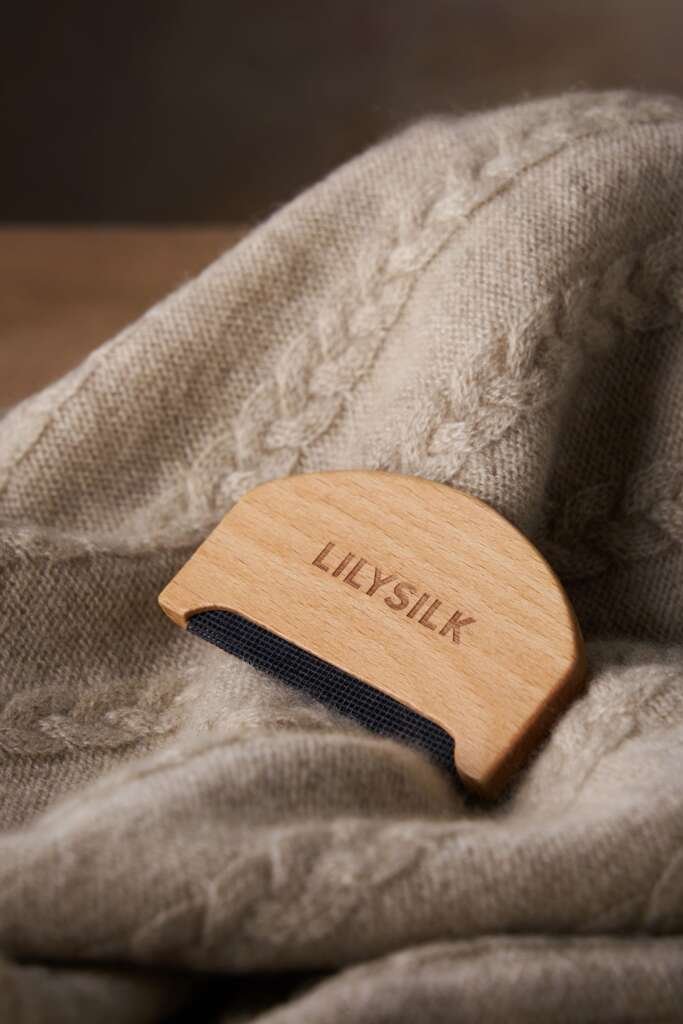
LILYSILK Sweater Comb $9 is made from sturdy wool and safe for delicate cashmere and wool sweaters.
Sweaters of all qualities pill. Some cheaper blended yarns pill badly, but even with high-quality natural fibers, there will be some pilling.
We use two techniques to de-pill: one is a sweater shaver, we recommend this for loftier, hairy yarns that are fluffy and delicate. The other is a pumice stone; we recommend this for more hardy yarns that have a flatter appearance, or smaller, more subtle pilling.
How often should sweaters be cleaned?
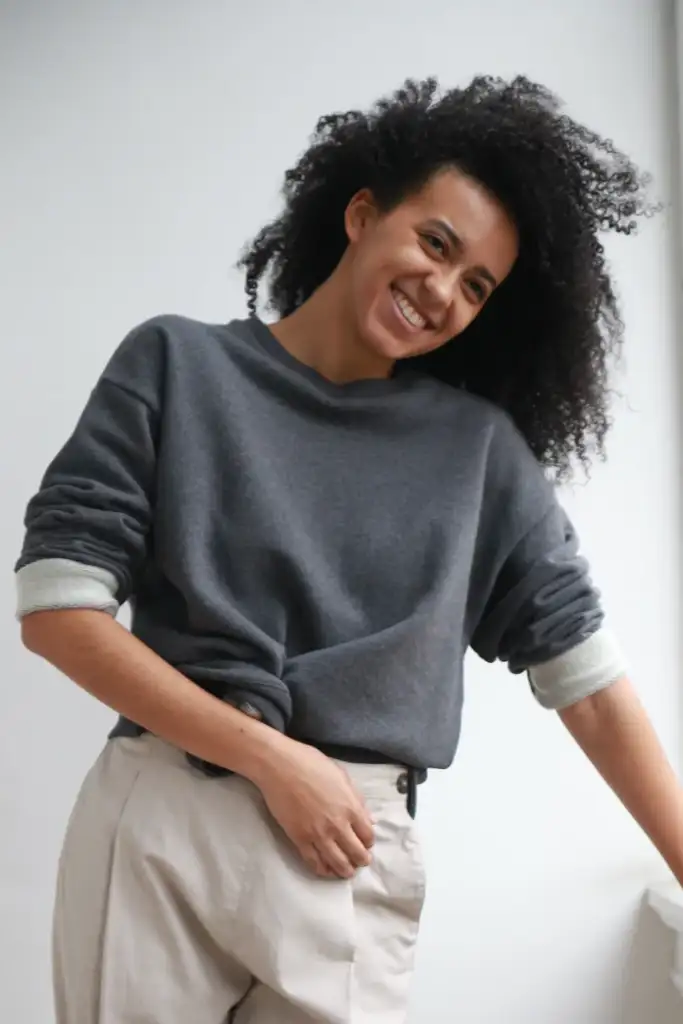
FOUR Objects The Sweatshirt is made from 54% Organic Cotton (Certified by the Organic Cotton Standard ) and 46% Extrafine Merino Wool ( Certified by the Responsible Wool Standard) $255
Probably less often than you think! If you get a stain on them, you can always spot clean it, if it smells a bit musty, try airing it out for a day or two or putting in your dryer on “low” or “no heat” for 10 minutes with a lavender sachet. If you have a large stain or it’s really stinky, or you just want to refresh your sweater, then washing as above will do it. But the best time to avoid moths is before you store them at the end of the cold season.
Most sweaters have a dry clean only label on them. Can you machine or hand wash wool, cashmere, or alpaca sweaters?
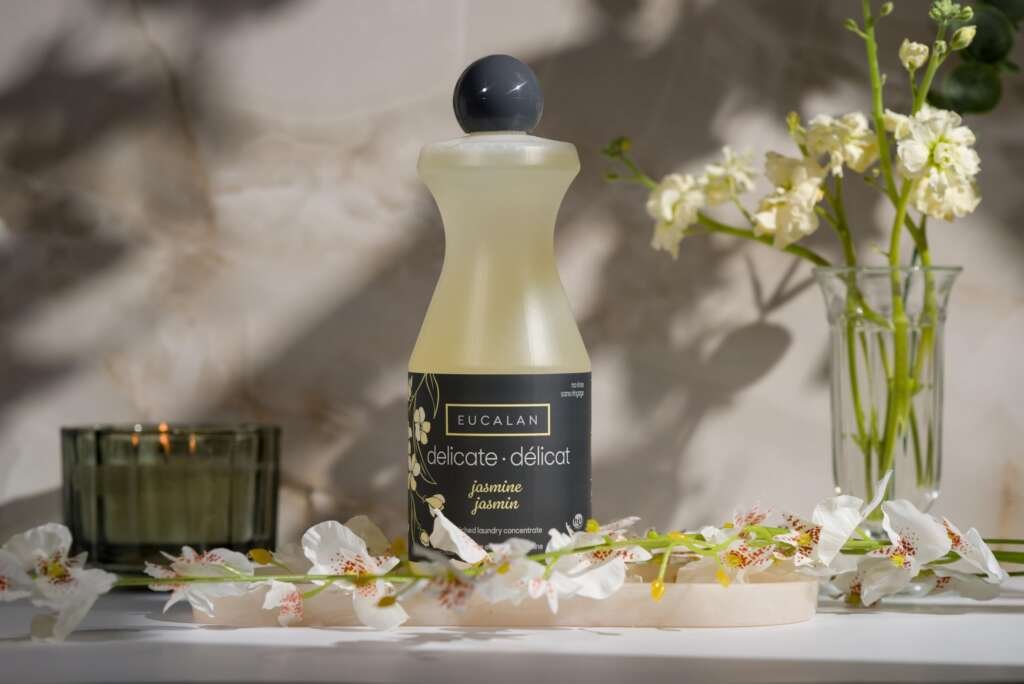
Eucalan Delicate Wash $16.99, is nontoxic and made from essential oils eucalyptus and jasmine.
You can absolutely hand wash all of your sweaters and should not have to dry clean them. It’s important to understand that wool shrinks in multiple directions for two different reasons: heat and agitation. So always wash your sweaters in tepid water and soak them while gently pressing them. Do not rub together, which will felt the wool or ring out, which will misshape the sweater.
We recommend using the delicate Eucalan wash. You will get the most longevity out of your sweaters with hand washing in a sink, pot or basin. If you,have a delicate or wool cycle in your machine, we recommend placing the sweater inside out in a mesh bag to reduce agitation of the fibers and placing it on the soak cycle, then spin and drain on low.
Do You recommend at-home dry cleaning?
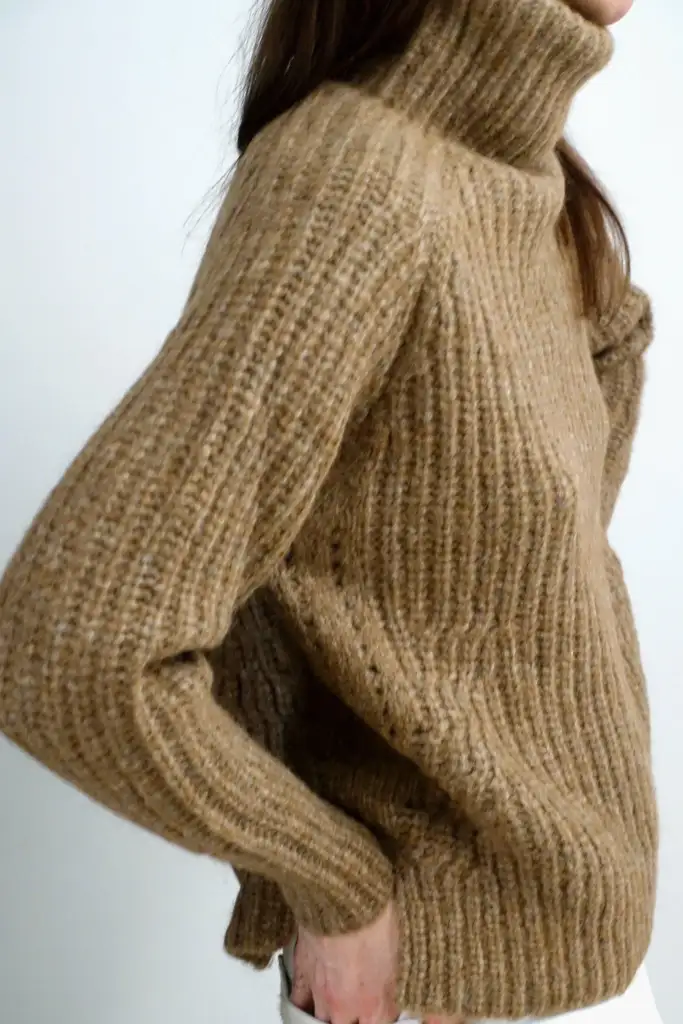
FOUR Objects Foundation Sweater is a luxurious blend of 88% undyed alpaca and 12% silk $325 Responsibly sourced and handmade in Peru.
We’ve never tried it, but we’d prefer not to apply any chemicals to our natural fibers and wools. If someone invents an effective dry-cleaning solution at home with natural ingredients, sign us up!
What’s the best way to remove stains?
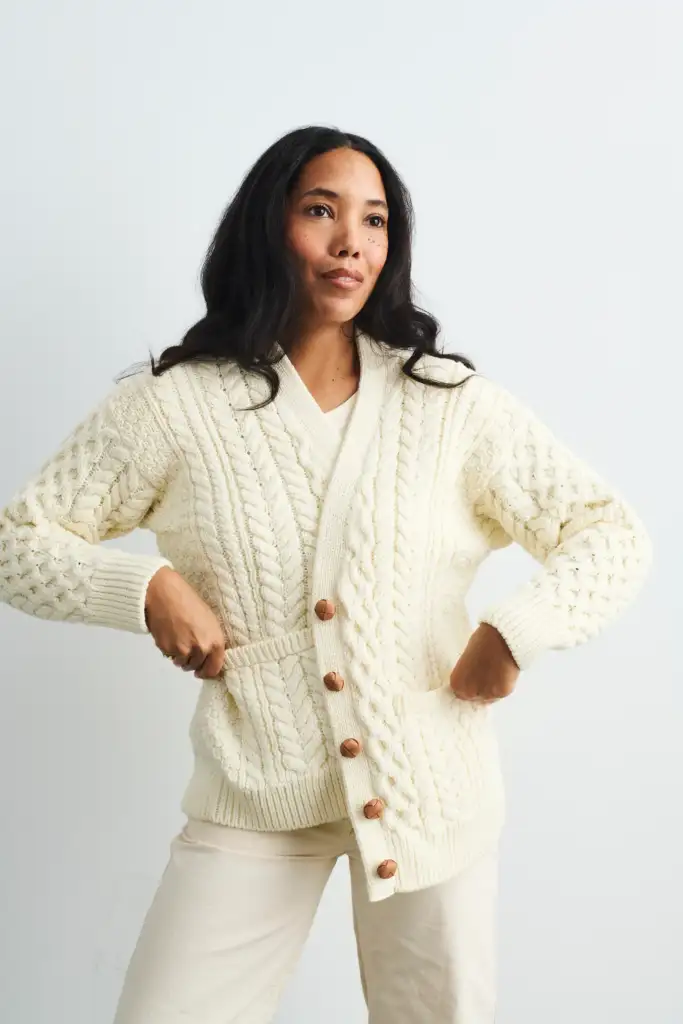
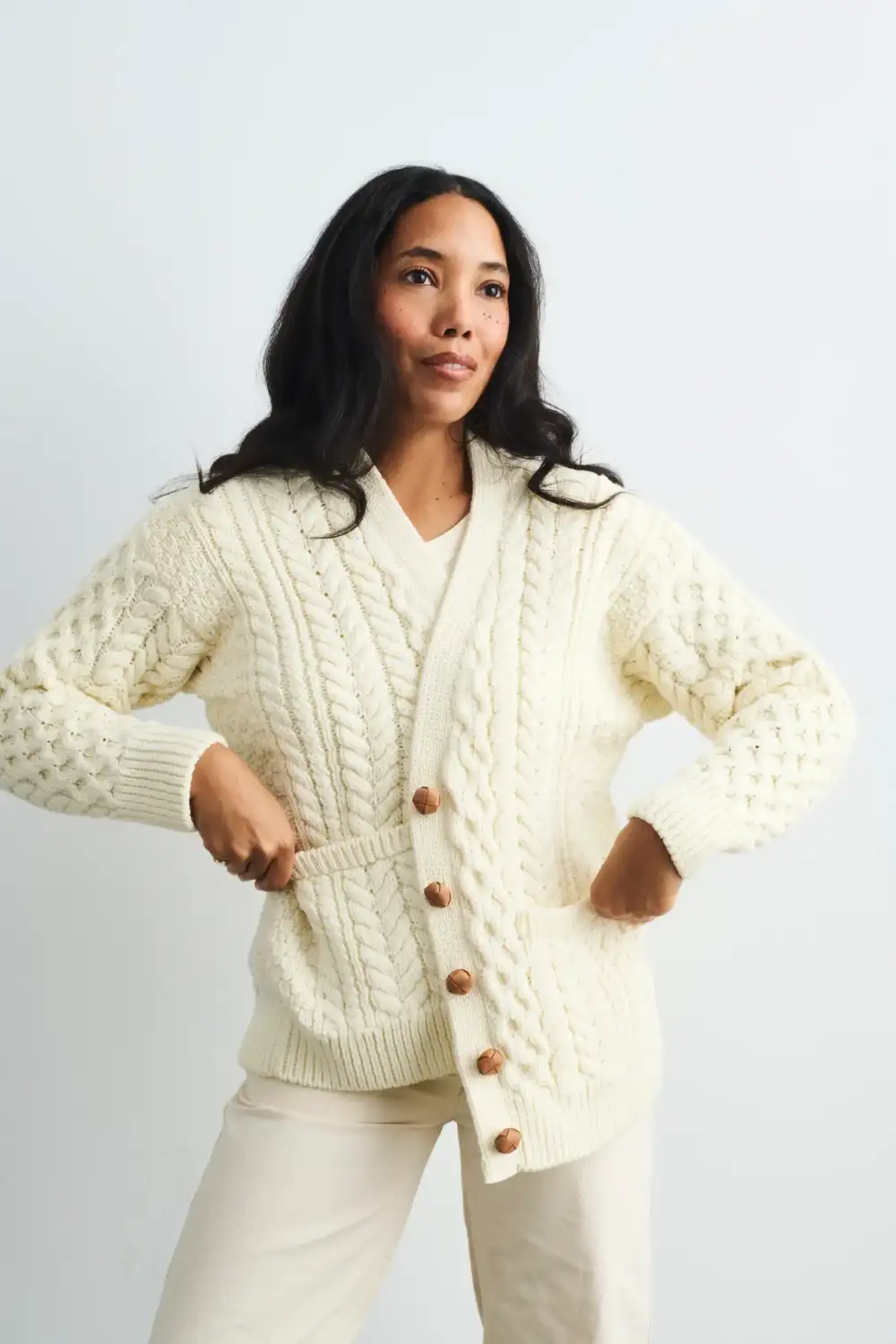
Four Objects Aran Sweater is made from 100% Extrafine Merino Wool, independently certified by the Responsible Wool Standard (RWS). Sourced and handmade in Peru $375
It really depends on the sweater and the stain, but general rule of thumb is to treat as quickly as possible, run cold water through from the inside out to push the stain out, and apply some wool wash directly to the stain to treat right away.
If a sweater shrinks, can you reshape it?

FOUR OBJECTS 4Worn Un-dyed Black Alpaca is made from 100% superfine undyed alpaca $258.75
This soft rib knit is part of their pre-loved collection.
Yes, but only to a certain extent. You want to be very careful not to wash animal fibers in warm/hot water as any heat will cause the fibers to shrink. If you’ve already shrunk them accidentally, but it’s not too extreme, you can try stretching them out and blocking them to get them back to the right size.
Sweaters are, by nature, very malleable, and if you shape them when they’re wet, even more so. You’ll need a ventilated surface, that could be a mesh drying rack, or if you don’t have anything like that, a dry towel is okay.
Here’s how to block a sweater:
- After washing, remove excess water, we recommend laying on a dry towel and rolling the sweater in the towel while adding pressure to expel any remaining water, which will be absorbed by the towel.
- Once you feel confident you’ve removed as much water as possible, you want to lay the sweater on your drying rack or area. If it is a cardigan, button or zip it closed. Line up the hem, lift the sweater by the hem, and gently shake the sweater upside down until it’s aligned and balanced, lay down flat.
- Check the shape of the sweater, most likely it will have stretched lengthwise, so you want to gently pull the sides at the chest and pat it down to reshape to the right proportion – same with the sleeves if they’re looking too long and skinny.
- Let air dry, flip over, and repeat the steps to dry evenly.
