

Share This Article
Over the last 2 decades, secondhand clothes have gone from niche to mainstream. Can secondhand make the industry more sustainable?
| All products featured on The Wellness Feed are independently selected by our editors for its environmental and ethical impact. However, we may earn an affiliate commission when you buy something through our retail links. |
There’s a new wave in the fashion industry, redesigning how we shape our closets: secondhand clothes. Once labeled as unfashionable and overlooked for the next trend, secondhand clothes have now become a closet staple, especially with younger generations. Exploding from $28 billion in 2019 to $49 billion in 2025, more growth is on the horizon, with some reports projecting the resale market to reach $350 billion by 2027. This surge flips the old script of buy new, wear once, discard fast, with resale platforms like Depop, TheRealReal, and Thred Up at the forefront of this circular redesign in the fashion industry.
Resale isn’t a fad. It’s a deep change within the fashion industry, with some brands adapting with their own resale platforms. As the industry shifts towards circular initiatives, it’s important to be aware of how the growing interest in secondhand fashion is and isn’t benefiting the environment.
From Niche to Mainstream
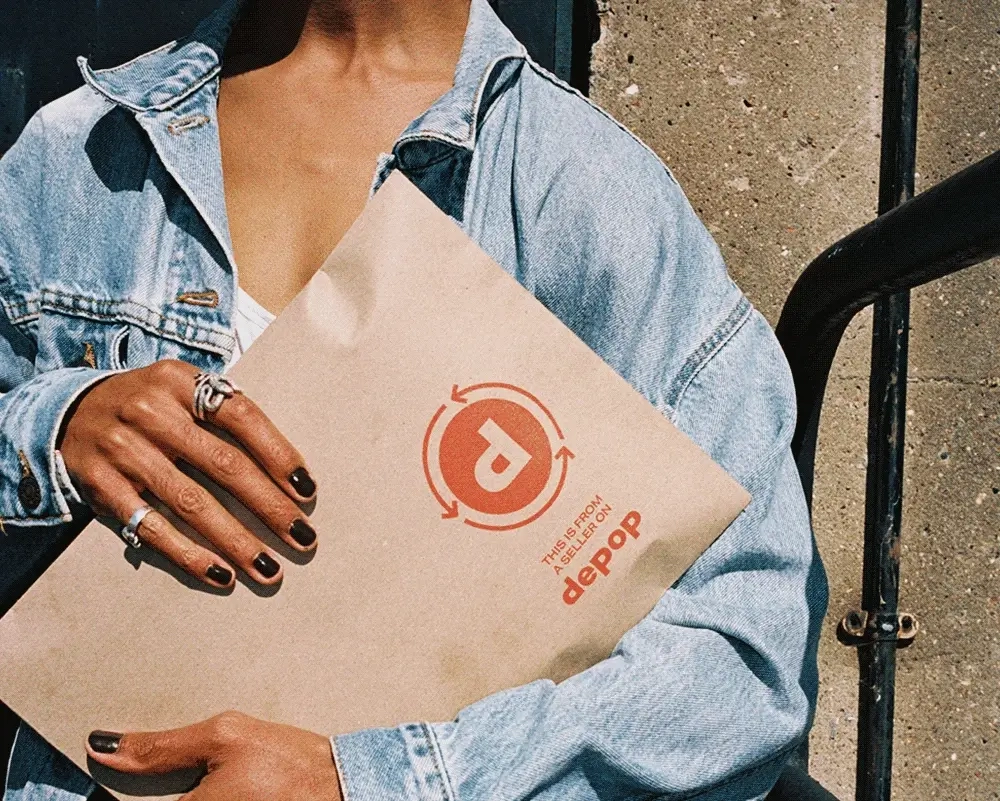
Depop is secondhand fashion platform offering a wide selection of pre-loved and vintage clothing and accessories. Users can sell their loved items too.
At the dawn of the century, eBay launched as the premier resale platform offering customers options to purchase secondhand, vintage, and hard-to-find clothing, accessories, and memorabilia. In the decades since, the industry has only continued to grow with a crop of new players offering everything from luxury fashion to furniture.
Young buyers have been at the forefront of this charge, with Gen Z spending 30% more on pre-owned gear than boomers did at their age. They care about ethics and budgets. Millennials join in, drawn by apps that fit busy lives. A 2025 survey showed 62% bought secondhand last year, proving that it’s a big business reshaping the fashion lifecycle.
On the other end are buyers listing items to sell thanks to the ease of online platforms. For pricier items, authentication checks ensure trust. Secondhand clothes are revalued to be reworn rather than wasted.
Disrupting Traditional Retail
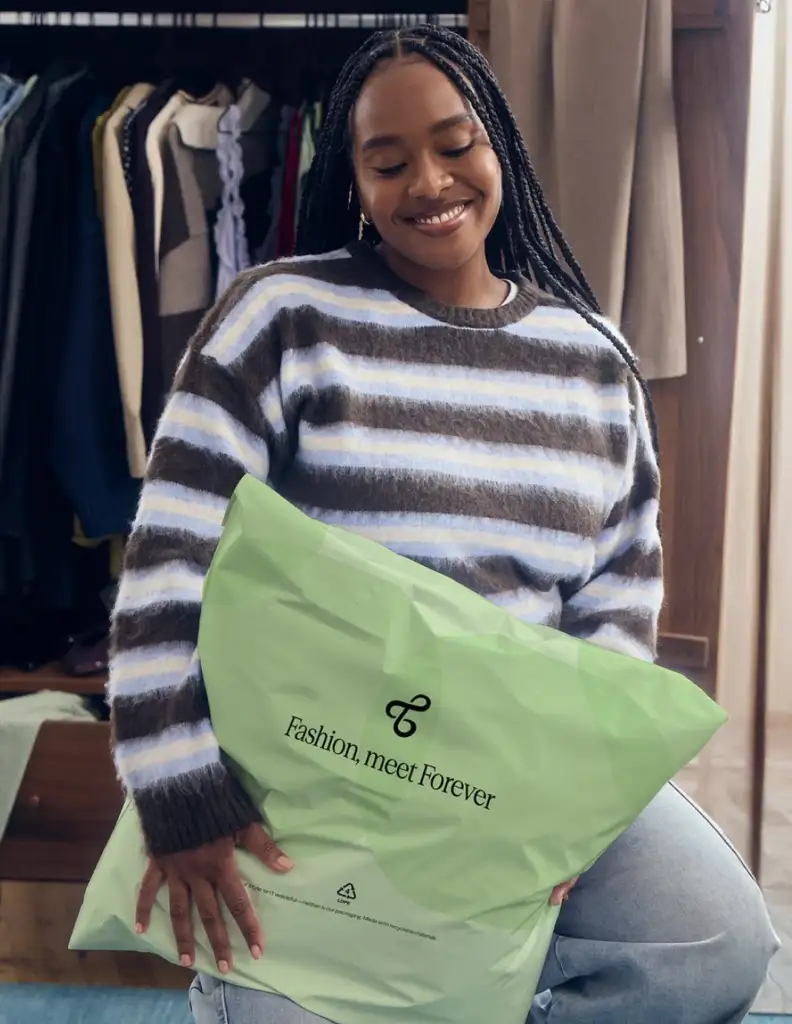
ThredUp is a resale platform that sells gently worn clothing for you. Sellers can request a pre-packaged cleanout bag to sell old items in their closet, and buyers can find a variety of contemporary brands to shop from.
The resale market slows the rush for new drops, new resources used, and even new waste created. According to think tanks like the Ellen MacArthur Foundation, these are all the foundational elements of a circular economy, which is essential for economic and environmental sustainability.
Brands, big and small, are also joining in the circular movement, with some launching their own resale programs. Patagonia’s Worn Wear lets you trade in gear for credit. The New York-based label Four Objects has 4Worn, a resale platform for gently loved items from their brand. Even luxury brands like Gucci and Stella McCartney have partnered with resale sites for certified pre-owned lines. Brands build equity by supporting circularity. Customers have variety without buying everything new.
Sustainability Claims and Greenwashing
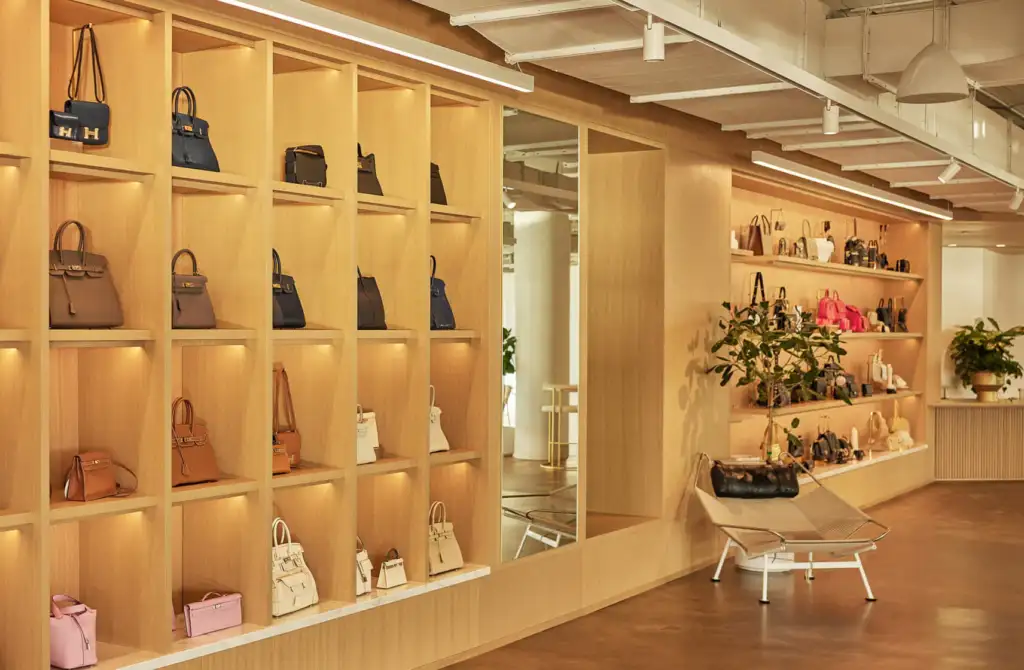
Fashionphile is a luxury accessories website offering bags, jewelry, and other accessories from some of the world’s best luxury brands. There are also brick-and-mortar stores in select cities.
Secondhand clothes promise green wins. But do they deliver? There is a lot of data and reports about the impact of the fashion industry. Overproduction is depleting our natural resources while also polluting our environment. Secondhand clothing can prevent that. Still, some of the unsustainable structures of the fashion industry- plastic packaging, CO2 emissions, and overconsumption- are still integrated into the resale market. So, what are the green benefits?
The answer, similar to most questions posed about sustainability in the fashion industry, isn’t clear-cut. Both the Ellen MacArthur Foundation and the United Nations have produced reports prompting the implementation of resale markets for a more sustainable fashion industry. However, other reports show that consumer behavior, even when on resale platforms, is more similar to that of fast fashion sites, and that can negate the environmental benefits of secondhand clothes.
However, when other sustainable initiatives are adopted by both brands and consumers- moving away from single-use plastic packaging, reducing CO2 emissions, producing less, and repairing and extending the life of clothes- that’s when we begin to see the real benefits of secondhand clothing. And, to achieve this, researchers, brands, and environmental advocates stress the importance of policies that align the secondhand market with sustainability goals like those proposed by the UN.
Resale platforms have the potential to shift the fashion industry towards circularity. However, they are one part of the equation. Brands must prioritize other sustainability initiatives to reduce their environmental impact, we as consumers, must embrace slow fashion habits, rather than fast fashion habits in the secondhand market, and legislation must address environmental concerns. This way, the resale market can have a positive environmental impact and drastically reduce waste.