


Share This Article
April 22nd isn’t the only day to get involved. Use this guide to find activities, projects, and organizations you can volunteer with all year long.
| All products featured on The Wellness Feed are independently selected by our editors. However, when you buy something through our retail links, we may earn an affiliate commission.|
Earth Day is one of those annual events you might not notice until a co-worker or passionate student brings up a tree planting or waterway cleanup. Or, maybe you’re fully invested, passionately organizing or attending demonstrations. However, you choose to be involved, the Earth is the place we all live, need, and open our eyes to see, touch, and taste every day. So, why aren’t we protecting it… every day?
As we take part in Earth Day events, it’s always helpful to remember that it doesn’t have to begin and end on April 22nd. What began as a movement against oil spills has since become a global movement of marches, protests, petitions, and plenty of Earth Day volunteering opportunities for you to take part in today, tomorrow, and even years from now. Because caring about the Earth is caring about ourselves- our health, wellbeing, and future livelihoods. And, from children to legislators, there are ways we can fight pollution, climate shifts, and habitat loss today and year round.
Earth Day’s History of Environmental Activism
Earth Day traces its roots to a time when America’s air and water seemed under siege. In the late 1960s, activists began sounding the alarm about dumping from factories, poisoned rivers, and air pollution harming our environment and health. This frustration birthed a movement, such as the publication of Rachel Carson’s New York Times bestseller “Silent Spring” in 1962.
Senator Gaylord Nelson from Wisconsin saw the damage firsthand. He watched oil spills blacken beaches and smog blanket cities like Los Angeles. Inspired by student protests against the Vietnam War, Nelson pitched a national “teach-in” on the environment. On April 22 1970, he rallied 20 million Americans—about 10% of the population in 1970—for rallies, marches, and cleanups. That first Earth Day shut down schools and businesses. It proved people cared deeply about clean air and safe water. Nelson’s idea turned whispers of worry into a roar for action.
The energy from that day hit Washington hard. Lawmakers moved fast to pass key bills. The Clean Air Act of 1970 set strict limits on factory smoke and car exhaust. Just two years later, the Clean Water Act cracked down on industrial dumping into rivers and lakes. President Nixon also created the Environmental Protection Agency, or EPA, to enforce these rules. These wins cut air pollution in the U.S by over 70% in the decades since. Earth Day’s push showed how public outcry could force big shifts in policy.
What began in the U.S. soon spread like wildfire. By 1990, Earth Day went global, with events in 140 countries. Organizers like Denis Hayes, who led the first one, took the message abroad. The United Nations joined in, making April 22 a day for worldwide talks on green issues. Today, over 190 nations mark it, from tree-planting in India to beach cleanups in Brazil. This growth turned a local idea into a planet-wide habit.
Earth Day’s Enduring Mission
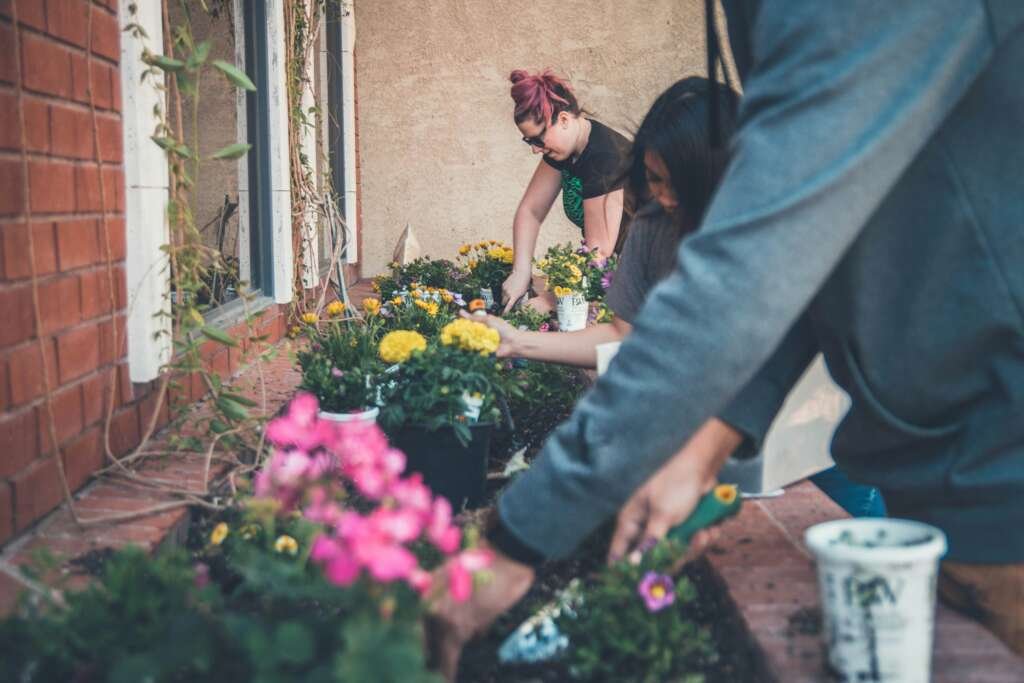
Earth Day 2026 focuses on restoring ecosystems to improve air quality, absorb CO2, and protect cities from the rising risks of floods and other climate-change-related disasters. Visit the website to learn more and take part in key projects such as Tree Canopy, Regenerative Food Practices, Global Cleanups, and more.
At its heart, Earth Day aims to spotlight environmental harm and spark solutions. It calls on governments to strengthen regulations, companies to adopt recycling, conservation, and circular initiatives, and folks like you and me to tweak our habits. The goal? Build a world where people and nature thrive together.
Each year brings a fresh focus to match the biggest concerns of that time. In 2023, it zeroed in on investing in our planet with clean energy. The 2024 theme hit plastic pollution, urging cuts in single-use bags and bottles. For 2026, we can expect an emphasis on restoring ecosystems amid rising floods and fires. These shifts keep the day alive, linking past wins to future needs.
Global temperatures have climbed 1.1 degrees Celsius since the 1800s, with 2024 being the hottest year on record. Rising temperatures fuel extreme weather. Biodiversity drops too, putting millions of species at risk of extinction. Oceans absorb 90% of extra heat, acidifying waters and harming coral reefs. Earth Day educates the public on these facts to rally support for cuts in fossil fuels.
This day also holds leaders accountable for promises like the Paris Agreement. Protests demand real steps, not just talk. In 2026, we can pressure firms to ditch plastics or cut emissions. Past Earth Days led to bans on leaded gas and ozone protections.
Earth Day Volunteering Activities
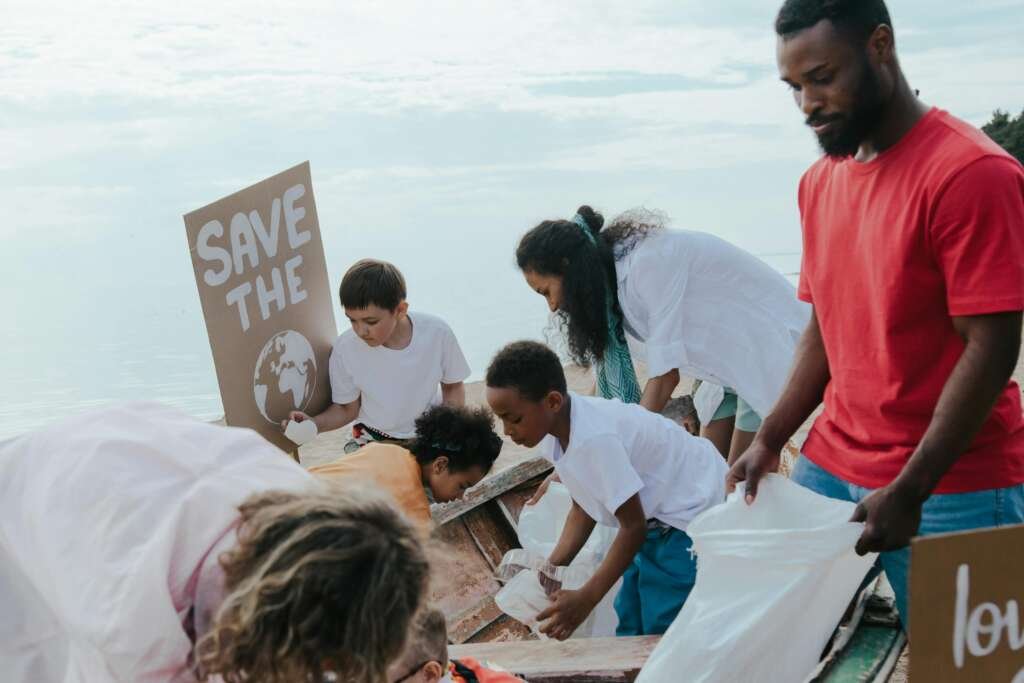
Sign up for activities you can do at home, the beach, or with your local organizations on Earth Day and year-round.
Earth Day volunteering activities cover more than picking up garbage in your local park. While that’s a great activity to engage in, you can also restore habitats, guard waterways, or use your skills from afar. Visit the website to join official events in your city, or use this guide to look up projects and events hosted by environmental organizations:
Native Planting and Invasive Species Removal
Planting native flowers and trees helps bees and birds thrive. Volunteer with your local horticulture organization or nurseries to help pull out weeds that choke native plants to keep ecosystems balanced and cut erosion.
Trail Maintenance and Urban Greening Initiatives
Clear fallen branches from paths so hikers stay safe on trails. Help build simple bird houses or add benches to parks. These seemingly simple tasks are a few of the volunteer projects that make a big difference and support our national parks. Visit the National Park Service to learn more about year-round volunteer opportunities.
River, Lake, and Beach Cleanups
Microplastics poison sea life, pollute our water, and accumulate- harming delicate ecosystems. But cleanups help stop that spread. Join events like the International Coastal Cleanup or research local cleanups happening in your area. A cleanup from a river can prevent tons of plastic waste from polluting our oceans.
Wildlife Monitoring and Sanctuary Support
Love animals? Watch birds or turtles and log sightings for scientific data to track changes from climate shifts. At sanctuaries, you can feed injured animals or clean enclosures. No experience needed—just curiosity. Your notes help experts plan better protections.
Digital Advocacy and Data Entry
If you prefer to help from the comfort of your home computer, there are ways to use your skills for a good cause. Type up old field notes for researchers studying forests. Or post updates on a nonprofit’s social channels about Earth Day goals. These tasks organize info that drives real change.
Pro Bono Skills Exchange (Design, Legal, Accounting)
The skills you use day in and day out can also translate to environmental activism. Design flyers for a cleanup event if you’re good at graphic design. Lawyers can review contracts for small eco-groups. Accountants can balance books so funds go to trees, not paperwork. Platforms like Catchafire or VolunteerMatch are good tools to search for what support environmental groups need.
Clean Up Your Local Park
Join a park cleanup through a local group. Removing plastic trash from natural environments protects them and ensures that harmful materials can be properly recycled. Or, help you park by planting native flowers with local Audubon chapters to aid bees and birds.
Advocate for Green Policies
Push your town council for bike lanes or recycling bins at meetings. Write your house representative about environmental protection bills. You can use resources such as GovTrack to browse bills in Congress related to environmental protections.
Boycott BIG Polluters
Boycott brands with bad eco-records. Choose certified sustainable products. Support funds that invest in renewables, pulling money from oil giants. Our voices and dollars drive change.
Uniting today matters now more than ever amid climate change and lost habitats. Our role? Turn one day’s energy into lifelong care for our world.