

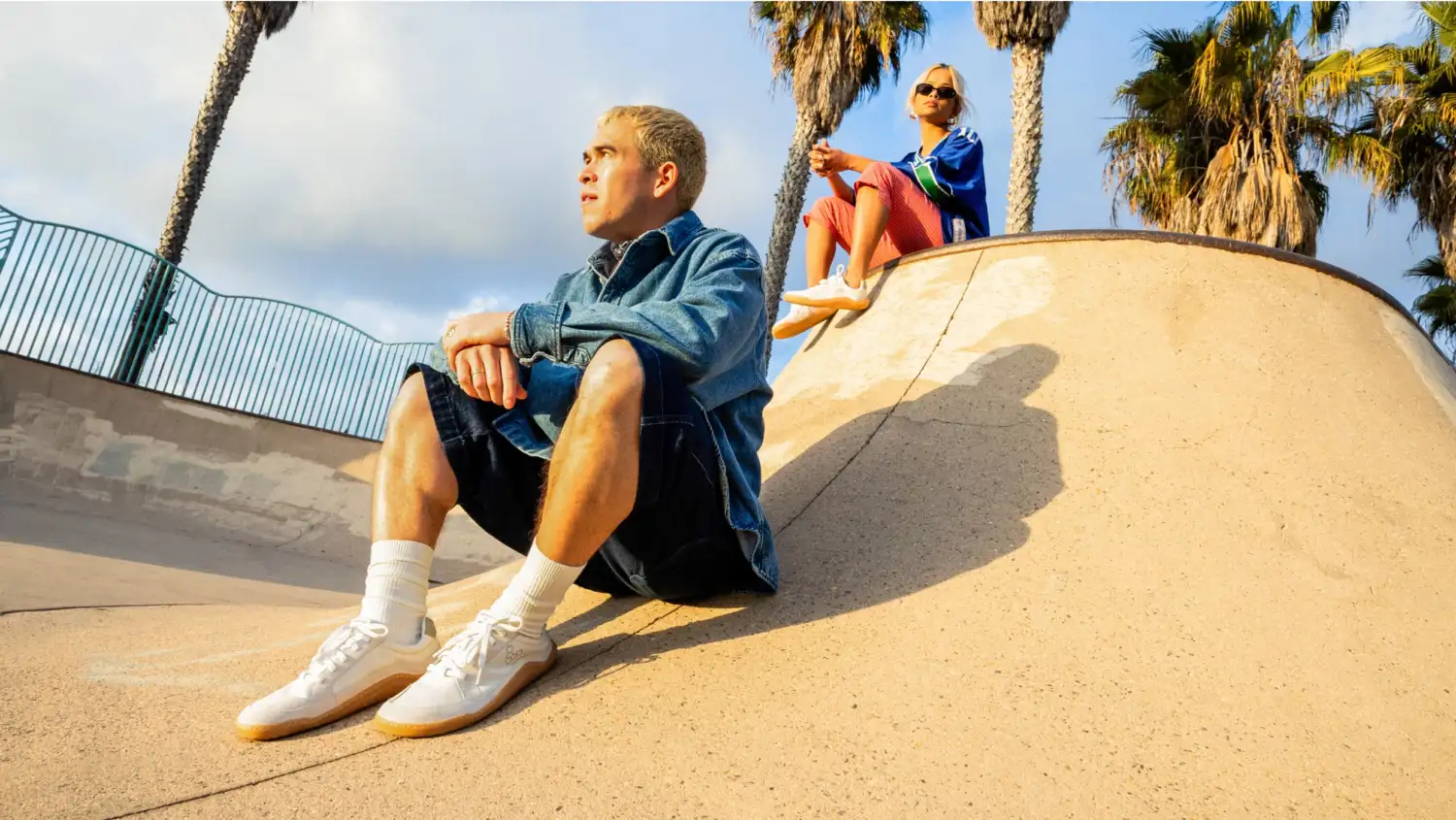
Share This Article
Interested in trying barefoot-style footwear? Read this Vivobarefoot review of the Gobi II Men’s Sneaker to learn how to adapt and strengthen your foot health.
| All products featured on The Wellness Feed are independently selected by our editors. However, when you buy something through our retail links, we may earn an affiliate commission.|
How strong are your feet? It’s a question we rarely ask ourselves. Yet, foot strength is the foundation for good posture, stability, and the prevention of structural problems in other parts of your body. So, it’s worth noting and learning how footwear plays a role. Most shoes squeeze your toes into tight spaces or pile on thick cushions. Unfortunately, as stylish as these might look, your feet pay the price with issues like bunions, flat feet, and chronic pain.
Vivobarefoot’s “Free Your Feet” campaign inspires us to return to natural movement and reclaim our foot health. For those unfamiliar, the brand, founded by seventh generation cobblers, promotes barefoot-style footwear that lets your feet move as they evolved to do. The Gobi sneaker II stands out as a key example —thin, wide, and flexible to mimic going barefoot while offering basic protection.
Ahead, we’ll look at the science driving barefoot-style footwear, break down Gobi’s design, and share what it feels like to rock the brand’s new “healthy” footwear.
The Philosophy Behind “Free Your Feet”: Movement as Medicine
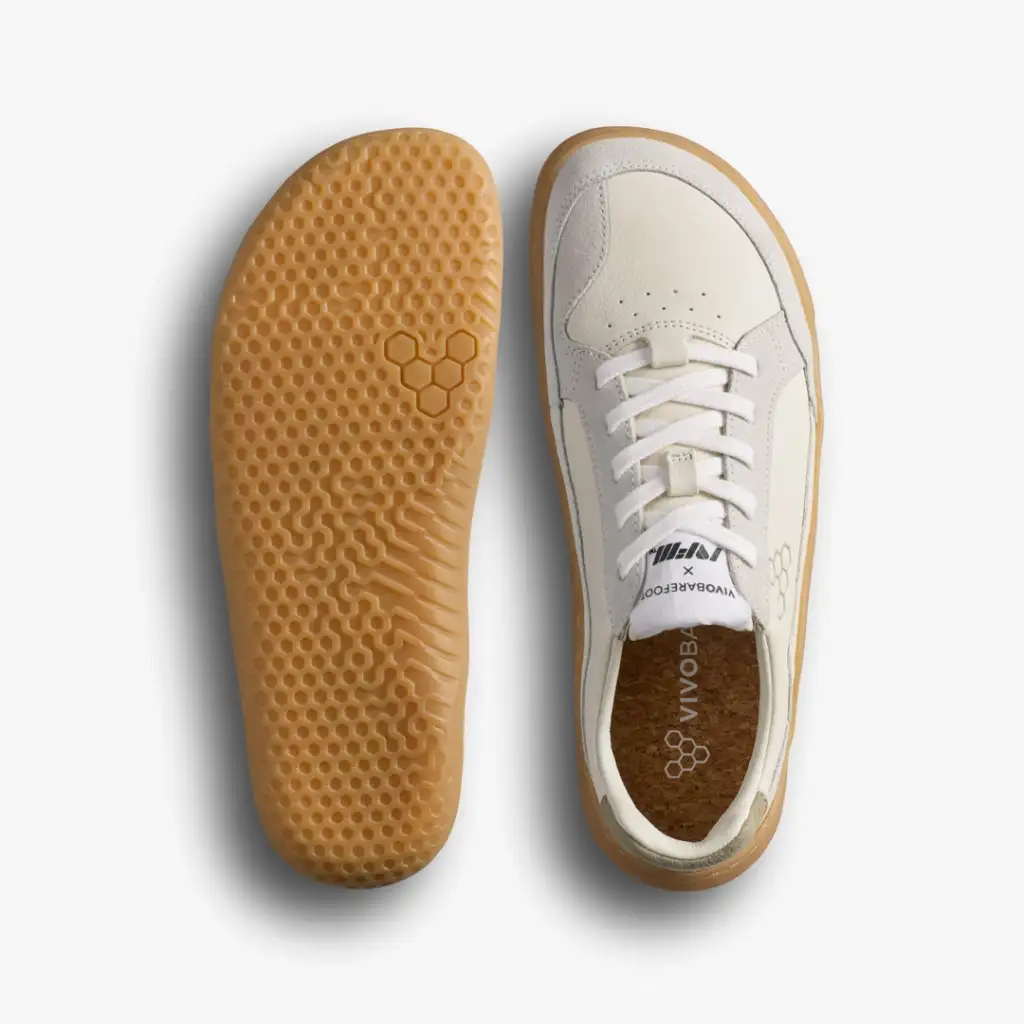
Vivobarefoot Gobi II Men’s Sneaker $210 is made with 98% natural materials – chrome-free leather, cork, organic cotton, and rubber.
Vivobarefoot built the “Free Your Feet” campaign on a simple truth: your feet hold over 200,000 nerve endings, 100 muscles, tendons, and ligaments that connect you to the ground. When shoes block that input with padding and stiff structures, those nerves go underused. This contributes to weaker muscles and poor posture over time. Studies have shown that the underuse of these muscles causes them to shrink and lose strength, which in turn contributes to issues like plantar fasciitis and knee strain.
Humans evolved walking on varied ground without shoe support. Feet adapted to feel every pebble and shift weight dynamically for balance. The “Free Your Feet” idea brings back this ground feedback, called proprioception, which tells your brain where your body is in space. Without this, our gait gets sloppy, landing heel-first in cushy shoes, jarring our joints.
Vivobarefoot draws from this history to argue that feet need challenge, not comfort. Thin soles let you sense the earth, building stronger arches and better coordination. Studies show that barefoot cultures, like those in parts of Africa or Asia, show feet that grip terrain better and support the body with ease. Natural shoes mimic barefoot movement and encourage a midfoot strike, spreading impact across the foot. This matches how our ancestors moved, reducing injury risk and reintroducing a new idea about supportive footwear.
What Makes The Gobi II Unique?
A key feature is the 2.4mm sole, thin enough for you to feel the ground but protective against rocks, glass, or other materials that can cut your feet. The special rubber compound offers puncture resistance to protect your feet, while still flexing with your foot.
This design feature gives you proprioception without full exposure, so you can adjust your stride naturally and improve your balance. The science behind this feature is that you can train your feet to handle real terrain, not just padded paths. Compare this to sneakers from popular brands offering heel heights of 55mm. The Gobi II promises active engagement that will strengthen your feet over time.
Another style note is the wide tox box. Standard shoes taper at the toes, forcing them together and weakening grip. The Gobi’s wide toe box lets toes splay out to boost stability and spread weight evenly, easing pressure on any one spot. Over time, this reduces calluses and improves overall balance.
What’s It’s Like Transitioning to Barefoot Footwear
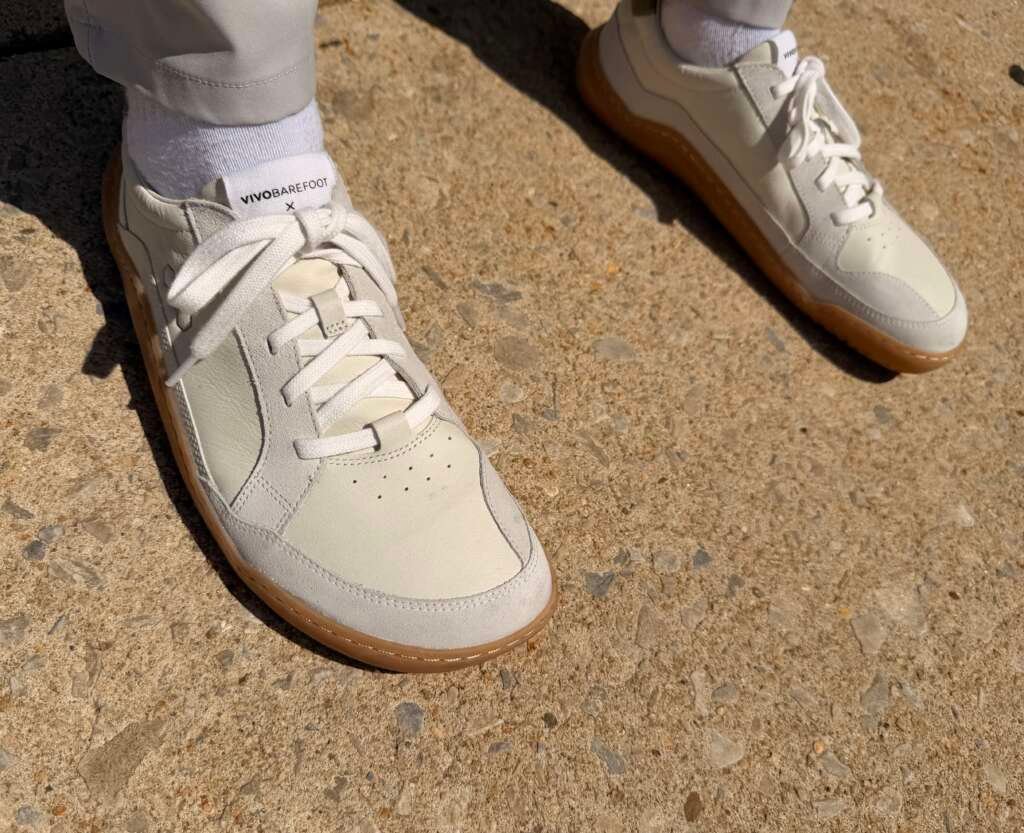
Vivobarefoot Gobi II Men’s Sneaker $210 allows you to instantly feel the difference from the first step.
So what exactly is it like switching to minimalist shoes like the Gobi? I’ve been curious about barefoot shoes for a while. My honest take after the first outing: genuinely impressed, but with a healthy dose of reality mixed in.
The fit was great with regular athletic socks — no need to size up or hunt down specialty thin socks, which I appreciated. The shoe felt natural and roomy but still supportive.
My first walk was about a half mile, and I could tell pretty quickly that my feet were working in ways they’re not used to. There’s a noticeable adjustment period — this isn’t a shoe you lace up and immediately forget about. You feel the ground, you engage your arch, and muscles you didn’t know were slacking start to wake up. It’s not painful, just… different in a way that demands your attention.
I did do the recommended transition exercises beforehand, and I think they helped. That said, I want to be honest: the exercises alone are not enough. Building the foot and calf strength that barefoot shoes truly reward is a longer process than a week of prep. Plan for a gradual transition over several weeks, not days.
Overall, I’m excited about where this is heading. These shoes feel like an investment in my feet’s long-term health — just one that requires patience and consistency to pay off.
Bottom line: Buy them, do the exercises, and then do more exercises. Keep your first few walks short and build up slowly. Your feet will thank you eventually.
Vivobarefoot’s “Free Your Feet” campaign revives natural movement through designs like the Gobi II Sneaker. It tackles foot woes at the root, blending science, history, and practical tools for better health.
Key steps to start: Audit your shoes for flexibility and width. Try a short barefoot walk this week. Pick up minimalist footwear like the Gobi for gradual trials. Embrace this shift, and your steps gain purpose. Healthier feet lead to a stronger, more connected you—for years to come.