

Share This Article
A nutritionist shares her recommendations for the best healthy lunch items we should all put in our lunchboxes.
If you’re packing lunch for yourself or your family, finding healthy lunch items that are both easy and delicious can sometimes feel daunting, especially because there are so many options and opinions about health foods. But, according to nutritionists, the first secret to a nutritious lunch is to keep it simple. Focus less on food labels and more on food categories. “There is SO much information out there! I always tell my patients’ parents to make sure their lunch includes at least three of these categories: whole grains (think fiber!), protein, vegetable, fruit, and dairy.” Dr. Stefanie Jaskot, RDN, CDCES, a nutritionist at Hackensack University Medical Center,
Embracing simplicity is a good rule to live by, especially during summer days spent on road trips, the beach, or day camps. Dr. Jaskot unpacks the foods we should have in our lunches, suggests the foods to avoid, and shares simple tips to ensure kids (and adults) are getting the nutrition we need to power us through the day.
What are the best foods for kid’s lunch boxes?
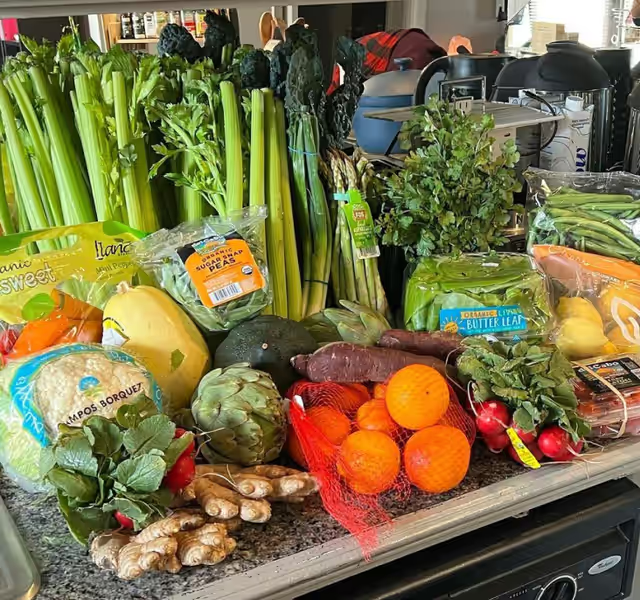
Save time with food subscription services like Misfits Market that deliver in-season produce, upcycled snacks, freshly baked breads, quality meats, and more straight to your doorstep.
A well-balanced lunch is crucial for a child’s growth, development, and cognitive function throughout the school day. A simple and effective method for building a nutritious lunch is to follow the “Kid-Friendly Lunch Box Formula,” which ensures a mix of essential macronutrients. This formula, endorsed by pediatric dietitians, consists of three core components: a source of protein, a fruit or vegetable (produce), and a starch or grain. This approach aligns with the “Kid’s Healthy Eating Plate” model, which recommends filling half the plate with colorful fruits and vegetables, and the other half with whole grains and healthy protein.
Here is a more detailed breakdown of the food categories:
1. Fruits and Vegetables (Produce): This group should constitute about half of the meal. Aim for a variety of colors to provide a wide range of vitamins, minerals, and antioxidants. Examples: Berries, apple slices, mandarin oranges, carrot sticks, cucumber slices, bell pepper strips, and cherry tomatoes.
2. Whole Grains and Complex Carbohydrates: These provide sustained energy for learning and play. Examples: Whole-wheat bread, tortillas, or crackers; brown rice; whole-wheat pasta; and quinoa.
3. Lean Protein and Dairy: Essential for growth and keeping children feeling full and focused. Examples: Lean meats like turkey and chicken, hard-boiled eggs, beans, lentils, hummus, and tofu. Dairy products like cheese sticks, yogurt, and milk also fall into this category and provide calcium and protein.
What foods should we avoid in lunches?
We should avoid multiple options of non-nutritive snacks. To foster a healthy and positive relationship with food, including a small ‘fun food’ is perfectly acceptable. This practice is most effective when the core of the meal is composed of nutrient-rich foods that address the child’s essential health needs
Is eating locally and seasonally beneficial to our health?
It is important to note that “local” does not automatically equate to “sustainable” or “more nutritious” in all instances. The specific farming practices, the type of food, and the efficiency of the supply chain are all crucial factors. For example, frozen and canned produce can be just as nutritious as fresh, as the processing can preserve nutrients that would otherwise be lost over time.
While almost all food undergoes some form of processing, local food systems often involve fewer and less intensive processing steps. This can mean less exposure to preservatives, artificial ripening agents, and other additives.
Organic. Regenerative. Whole foods. Local. Is there a food label we should prioritize?
Before worrying about how a food was grown (Organic) or where it came from (Local), a parent’s primary focus should be on what the food actually is. Prioritizing whole foods is the most direct and effective path to improving a child’s nutritional intake.
Should we be concerned about microplastics?
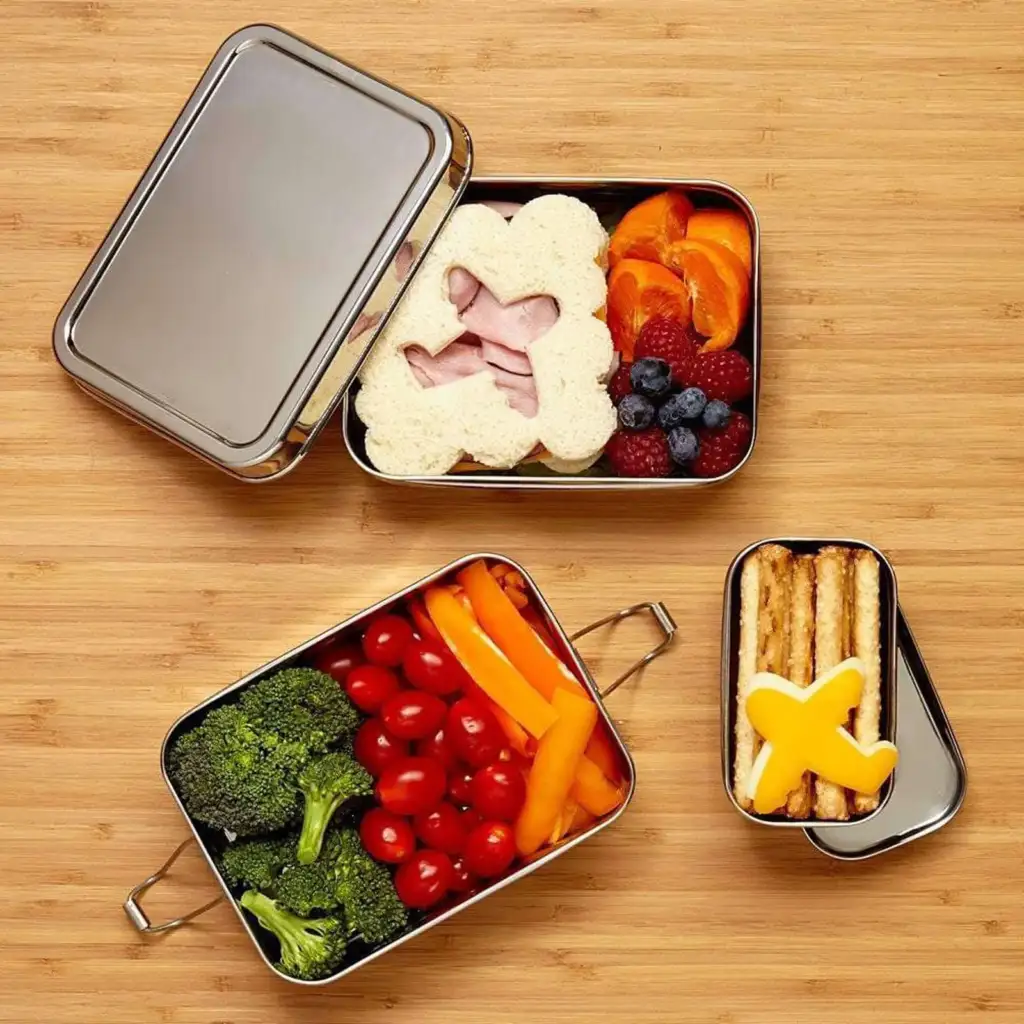
EcoLunchBox Three-in-One Classic Stainless Steel Lunch Box Set $40 is made from 100% food-grade steel. Plastic-free and built to last for years. It’s the perfect lunchbox for everyone in your household.
While research into the long-term human health effects is still emerging, the existing evidence strongly suggests that minimizing exposure is a prudent and necessary step.
1. Prioritize Non-Plastic Containers. Opt for food-grade stainless steel, glass, or ceramic containers. These materials don’t leach chemicals or particles into food. If using plastic, look for containers labeled “BPA-free,” but be aware that some replacement chemicals (like BPS) may also be harmful. Never use old, scratched, or cloudy plastic containers, as they are more likely to shed particles.
2. Never Heat Food in Plastic. This is a critical rule. Heat dramatically increases the release of both microplastic particles and chemical additives. Always transfer food to a glass or ceramic dish before microwaving. The label “microwave-safe” on plastic only means it won’t melt; it does not mean it won’t leach chemicals. Avoid placing hot leftovers directly into a plastic container. Let the food cool first, or use a glass or stainless steel container.
3. Rethink Your Wraps and Bags. Avoid letting plastic wrap touch the food directly, especially fatty foods like cheese and meat, as many plastic chemicals are fat-soluble. Some alternatives are beeswax wraps and silicone food covers. For sandwiches and snacks, consider reusable silicone bags or organic cotton bags.
4. Be Mindful of Your Cutting Surface. When a knife scores a plastic cutting board, it can create thousands of microplastic particles that get mixed into your food. Switch to a wood or bamboo cutting board for chopping fruits and vegetables.
5. Choose Water Bottles Wisely. Avoid Single-Use Plastic: Bottled water is a known source of microplastic contamination, partly from the bottle itself and the cap. Use a stainless steel or glass water bottle. If you filter tap water, use a high-quality filter certified to reduce microplastics.
6. Select Foods with Less Plastic Packaging. Highly processed foods often have more contact with plastic during manufacturing and packaging. Choosing fresh, whole foods can reduce this exposure.
What are the short and long term impacts of unhealthy diets?
In the short term, it guarantees poor physical and mental performance. In the long term, it is a scientifically validated recipe for developing serious, life-altering chronic diseases. Prioritizing healthy meals is not about dietary perfection or avoiding treats; it is a fundamental strategy for investing in your and your family’s daily well-being and long-term health, providing your body with the essential information and materials it needs to function, repair, and thrive.
What additional resources do you suggest to learn more about healthy foods?

Klean Kanteen 27oz Reflect with Bamboo Cap $45 is crafted from 90% post-consumer recycled stainless steel. It’s a great alternative to single-use plastic water bottles that will keep beverages cold for hours.
Parents seeking advice on healthy foods for their children have access to a wealth of reliable information from government agencies, health organizations, and pediatric experts. These resources offer guidance on dietary needs, healthy eating habits, and tips for dealing with common challenges like picky eating.
MyPlate.gov: offers a visual guide to building healthy meals, with specific sections for children. It provides tips on portion sizes, healthy snack ideas, and ways to involve kids in meal planning and preparation.
Nutrition.gov: reliable information on nutrition, healthy eating, and food safety. It offers printable materials, recipes, and resources for all life stages, including a dedicated “Kids’ Corner” with fun activities.
Centers for Disease Control and Prevention (CDC): The CDC provides guidance on healthy eating for children and tips for preventing childhood obesity. Their resources emphasize the importance of family routines and modeling healthy behaviors
American Heart Association: This organization provides dietary recommendations for children and adolescents to promote cardiovascular health. They offer specific guidance on calorie and nutrient needs for different age groups.
Nemours KidsHealth: A trusted source for parents, KidsHealth provides practical advice on a wide range of topics, including how to handle picky eaters and avoid power struggles at the dinner table. They emphasize the importance of family meals and allowing children to self-regulate their food intake.
American Academy of Pediatrics (AAP): The AAP offers recommendations on nutrition for children of all ages, from infancy through adolescence. Their guidance covers topics like breastfeeding, introducing solid foods, and addressing picky eating.
Healthy Eating Research: This national program provides evidence-based recommendations on child nutrition, including tip sheets for parents on establishing healthy eating habits and encouraging children to try new foods.
