

Share This Article
A dietitian shares the top benefits of eating seasonal produce and her top tips for adding more to your daily diet.
| All products featured on The Wellness Feed are independently selected by our editors for its environmental and ethical impact. However, we may earn an affiliate commission when you buy something through our retail links. |
Food is one of the most vital components of our health. Yet with a bevy of labels, categories, certifications, and the ever-growing category of processed foods, it can feel like one of the most complicated to navigate. To make matters more complicated, we have a new category for you- seasonal produce. The foods you would grow yourself or pluck straight from your farmers’ market are a category of foods that are anything but simple- they’re foods abundant in flavor, health benefits, and sustainable credentials. Food that travels shorter distances emits fewer CO2 emissions than its conventional counterparts, traveling thousands of miles to your plate. It’s no wonder that eating more seasonal produce is one of the suggestions posed by the United Nations as the Sustainable Development Goal, Responsible Consumption and Production.
If you’re someone who puts convenience or your standard weekly favorites before the ever changing abundance of seasonal produce, you might need a jumping off point to add more seasonal produce to your diet. Melanie Marcus, MA, RD, and Dole Food Company, has experience guiding clients to easily add more produce to their diets. The best part, she’s helped people from all walks of life- the juggling mom, the college student, the single professional, etc. So, wherever you are in your life, there’s bound to be a tip for you to add to your daily routine.
Below, Melanie shares the benefits of adding more seasonal produce to your diet and what she tells clients wanting easy tips to swap the chips for fresh berries.
What are the health benefits of eating seasonally?

Cucumbers, which are 95% water, are great for hydration. It also helps remove waste and chemical toxins from the body.
Seasonal produce is fresher, cheaper, and packed with flavor. And because seasonal produce is tastier, the way nature intended, you and your family are more likely to eat more of it.
*Conventional produce is often picked before it ripens and is then manipulated through temperature to travel thousands of miles. However, the natural ripening process allows foods to maintain more nutrients, and when picked at peak ripeness, seasonal produce has the highest nutritional value.
What are your tips to add more seasonal produce to our diets?
Start simple and focus on adding, not overhauling. Pick one or two seasonal fruits or veggies and build meals around them. Farmers markets, grocery store specials, and produce displays are great clues for what’s currently in season.
I also encourage clients to think seasonally in terms of “habit-stacking.” In early summer, for example, it might mean adding berries to breakfast, tossing arugula into salads you already love, or grilling seasonal vegetables at dinner when you’re already grilling chicken or burgers. Small shifts are often more sustainable than trying to completely reinvent the way you eat.
Here are seven simple strategies to make seasonal fruits and vegetables a bigger part of your family’s meals:
– Shop Seasonally: Seasonal produce is often fresher, cheaper, and packed with flavor.
– Prep in Advance: Wash, cut, and store fruits and veggies at the start of the week. This makes healthy snacking easy.
– Sneak Them into Favorites: Add shredded zucchini to pasta sauces or blends of fruits into smoothies.
– Get Kids Involved: Encourage your kids to choose fruits and veggies at the grocery store or help prepare meals.
– Serve Veggies First: When kids are hungry, having carrots or cucumbers ready as an appetizer can be effective.
– Plan Balanced Plates: Aim for half your plate to be filled with fruits and vegetables.
– Stay Creative: Try fun ways to present fruits and vegetables. Skewers, dips, or wraps can make them more exciting.
*Use this Seasonal Food Guide to learn what seasonal produce is growing in your state for each month.
*Visit the American Farmland Trust to find local farmers’ markets in your area. The website shows 6,000 listings across the U.S.
Right now, arugula is in season. What are its health benefits?
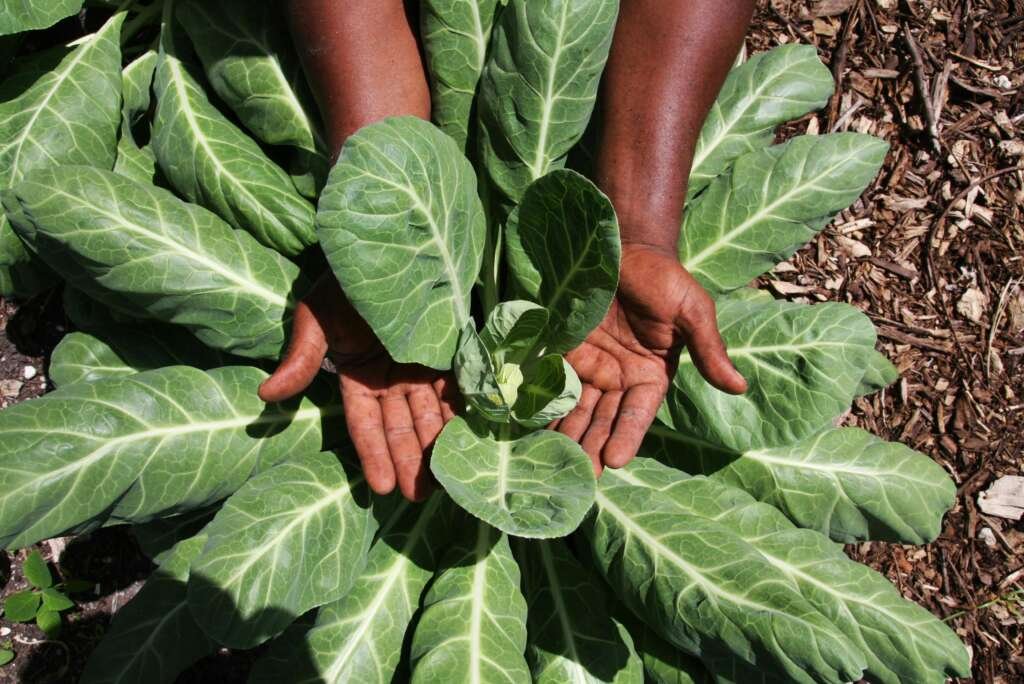
Cruciferous vegetables like arugula and collard greens (shown) are rich in nutrients such as Vitamin K, folate, calcium and might reduce the risk of certain types of cancer.
Eating a handful of Arugula before meals has become trendy as a digestive aid. Arugula provides fiber and bitter plant compounds that have been shown to help prime digestion and support gut health over time. The likely benefit comes from the food’s overall nutritional profile, not necessarily from a specific pre-meal timing effect that has been proven in research.
It’s important to look at what’s happening in the body that create these digestion-supporting effects. Chewing food starts the digestive process. Fiber moves through the gut largely undigested. It helps retain water, adds bulk to stool, and can be fermented by gut microbes into metabolites that support gut function. This is a real digestion-supporting pathway, but it is more about overall fiber pattern than a one-off handful of greens.
Can foods like arugula prevent us from getting cancer?
No single food can prevent cancer, but diets rich in fruits and vegetables are consistently associated with better long-term health outcomes and lower risk for certain chronic diseases.
Fiber and bitter plant compounds in arugula contribute to an overall dietary pattern that supports gut health, healthy digestion and overall wellness.
*Studies show that increasing your consumption of raw cruciferous vegetables can reduce your risk of various types of cancer. Some studies link it to erucin, a bioactive in vegetables like arugula and other cruciferous vegetables that is linked to inhibiting the production of breast cancer cells.
50% of the standard American diet is processed foods. How is that impacting our health?
What if I told you that there is one food in your diet that has been interfering with your weight and could put you at risk for heart disease, even cancer – and one more hint – it’s not a fruit or a vegetable. A handful of recent studies are zeroing in on one culprit: ultra-processed foods (UPFs), also known as foods that contain hydrogenated oils, high fructose corn syrup, emulsifiers, and so on.
One study published in Cell Metabolism compared a highly processed diet with an unprocessed diet in 20 participants over four weeks. Calories, sugars, fiber, fat, and carbs were the same in both ultra and unprocessed meals, and participants could eat as much or as little as they wanted. Researchers saw clear results. Men and women ate faster while eating processed foods, such as a bagel with cream cheese and turkey bacon, when compared to oats, walnuts, a banana, and skim milk. They also consumed about 500 calories more per day and gained an average of 2 pounds on the ultra-processed diet, while losing about 2 pounds when on the minimally processed diet. More research is needed to understand what specifically causes the weight gain or loss.
Other studies show that processed foods are associated with an increase in heart disease. Risk decreased in those who ate more unprocessed foods. Also, if you’ve been turning to processed “comfort foods” to treat the blues, chances are you may be feeding a vicious cycle. Studies link processed, junk-food diets with vastly higher depression rates.
Why might this be? One possibility is that nutritious whole foods, such as fruit and vegetables, help protect against the nutrient deficiencies that could endanger emotional equilibrium. For example, previous studies have linked low levels of omega-3 fatty acids and vitamin D to depression.
Regardless of what came first — the depression or the poor diet — I recommend replacing junk food with fruit, vegetables, and other whole foods. You are likely to lose excess weight and improve your mood.
What are small, simple steps to minimize our dependence on processed foods?
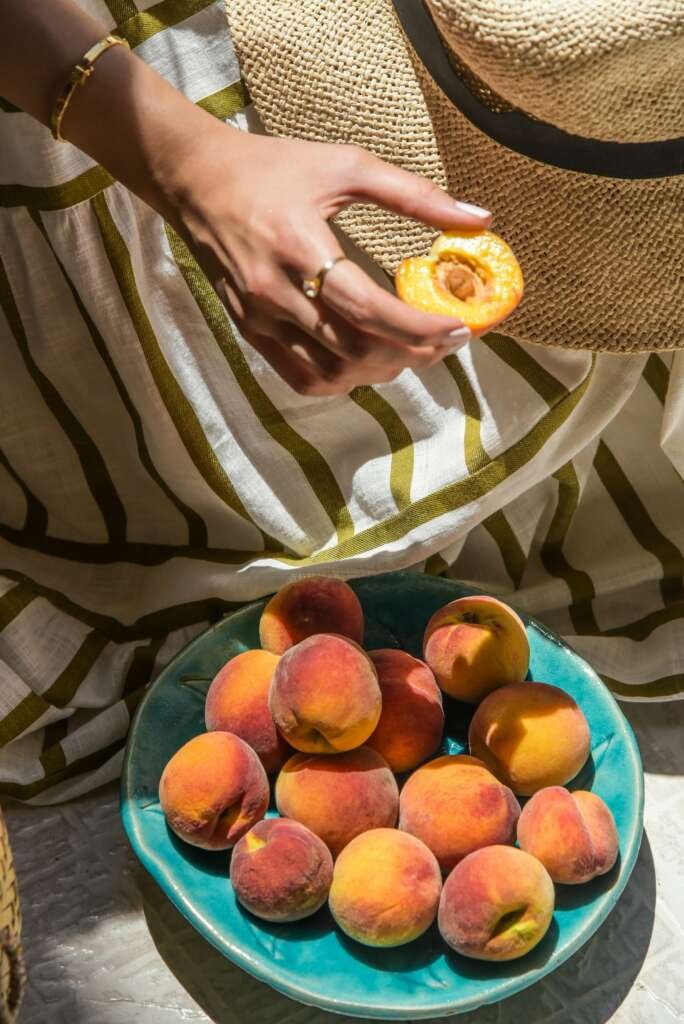
An easy on-the-go snack is peaches, which are in season in the summer. Rich in antioxidants, these fruits are also anti-inflammatory.
One of the most effective strategies is simply cooking at home more often, even if it’s just one or two extra meals each week. Home cooking gives you more control over ingredients while making it easier to include fruits, vegetables, whole grains, and plant-based proteins.
I also recommend starting with swaps instead of restrictions. For example, replace chips with fruit and nuts for snacks. Add a side salad or roasted vegetables to takeout meals. Keep convenient produce options on hand, like pre-cut vegetables, frozen fruit, or bagged salads.
Small, realistic changes tend to be the ones people can actually maintain long term.
And I can’t help but mention that Dole maintains one of the world’s largest free online libraries of produce-based recipes — many vegetarian, vegan, gluten-free, dairy-free, and/or low-sodium. You’ll want to bookmark your favorites like our Chickpea Salad Wraps.
