

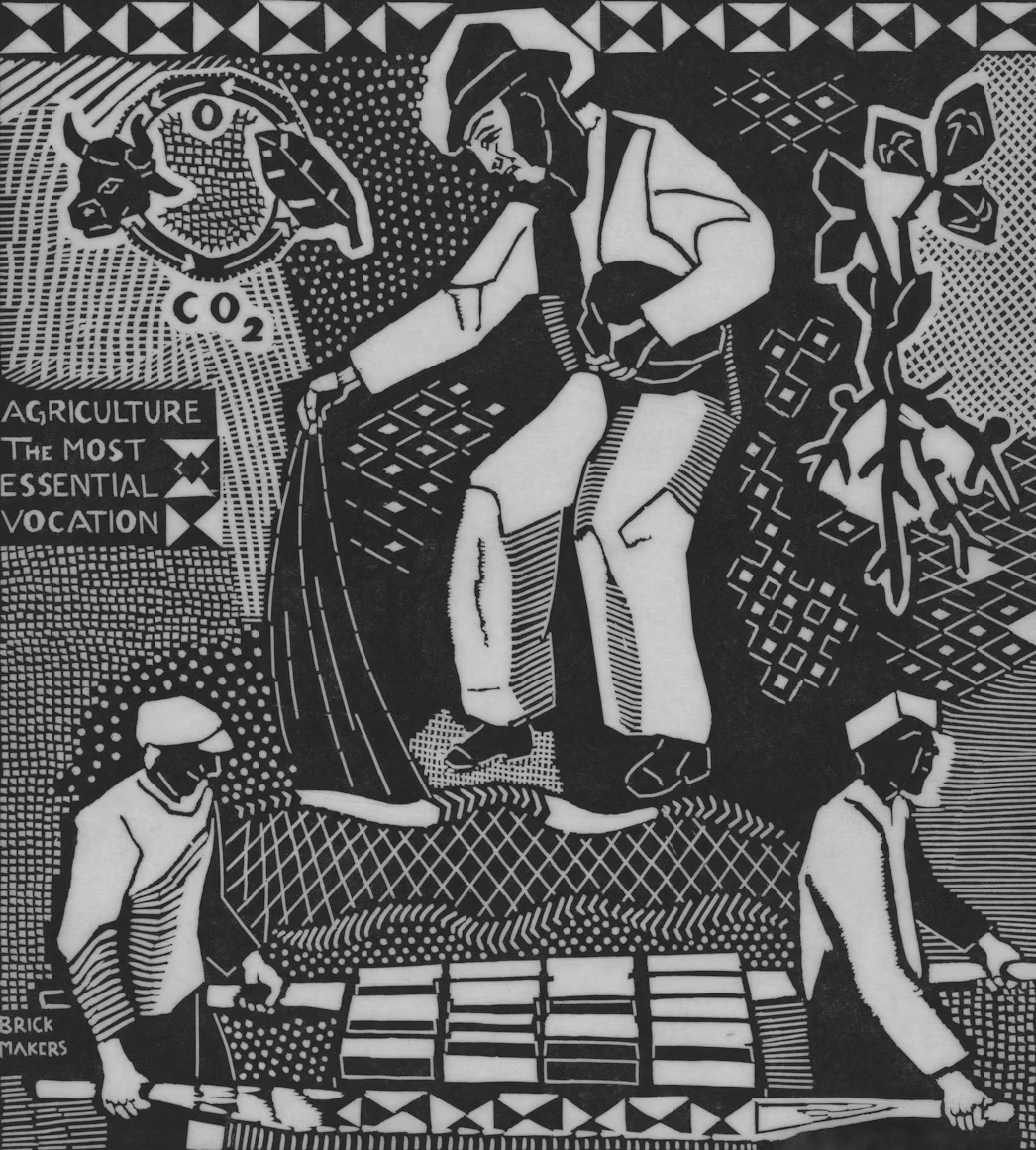
Share This Article
Today, let’s honor Juneteenth history by highlighting the work of Black farmers, environmentalists, and conservationists.
When the topic of environmentalism, conservation, or farming comes up in the Black community, it’s often told through the lens of slavery. Yet, on June 19, 1865, when the last enslaved people in Galveston, Texas, finally learned they were free, farming became a pillar of advocating for justice, equality, and independence. Despite systemic discrimination, by 1920, Black farmers had established 925,000 independent farms, many founded by leaders in the regenerative agriculture and environmental justice movements.
Juneteenth is a reminder of the long struggle and victories for liberty in the United States. Part of that struggle is tied to how land stewardship and environmentalism expand that vision of freedom. Because true liberation includes the right to live, work, and play in a safe, healthy environment. Black environmentalists have always been at the heart of this fight, working to protect our land and our health, and today is the perfect moment to highlight and honor those who have come before us.
A Legacy of Stewardship and Resilience
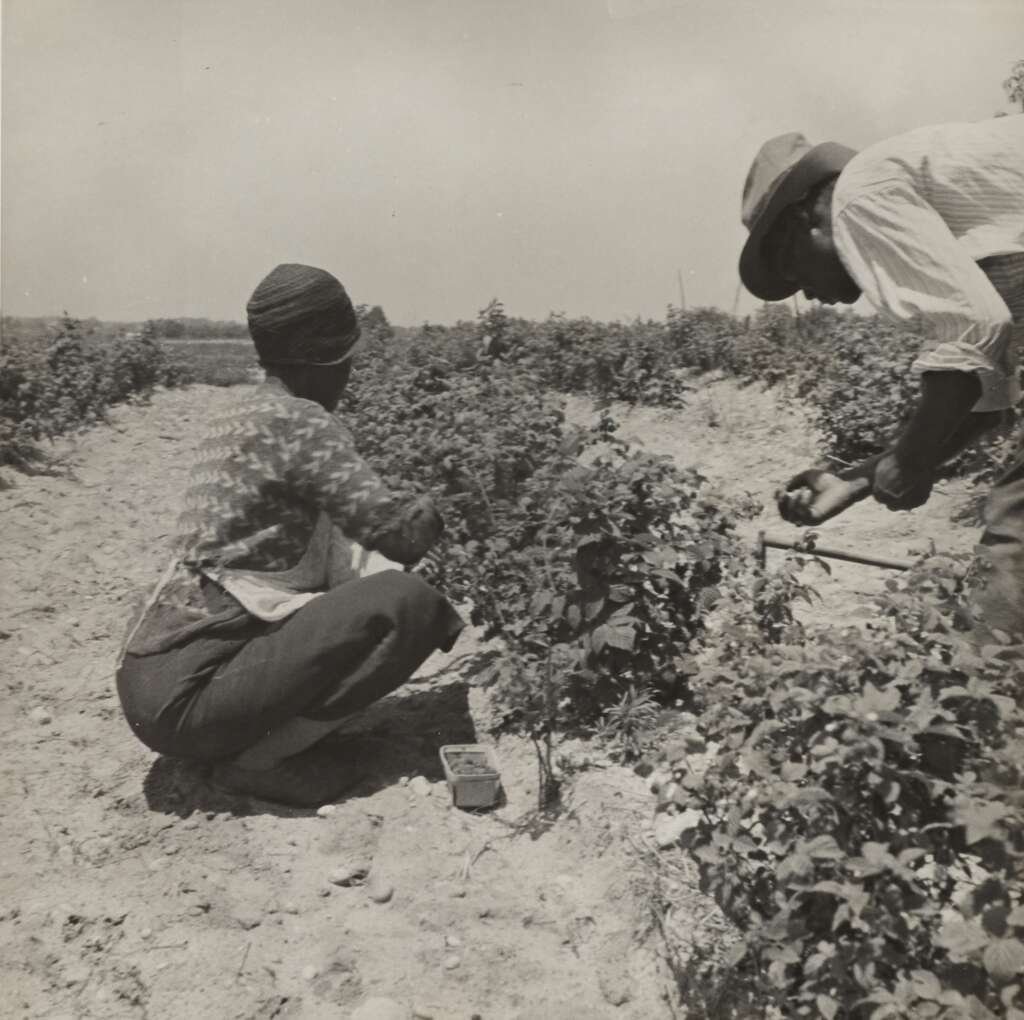
By 1920, there were 925,000 Black-owned farms in the U.S. Today, there are only around 46,000.
Farming is the root of Juneteenth history. The first seeds of resistance during the transatlantic slave trade were seen in just that- seeds that African women braided into their hair. These seeds enabled them to cultivate rice, okra, and black-eyed peas to preserve their culture and grow a new legacy in the Americas. Many brought a vast knowledge of agriculture and land management with them that helped them adapt in the new country, work with the soil, manage water, and grow crops even when resources were scarce and conditions harsh. This ingenuity built the foundation for many sustainable practices we recognize today. George Washington Carver’s agricultural work is a prime example of how this deep knowledge was applied to restore soil health and improve farming efficiency.
At the heart of it, protecting natural resources has always been about basic survival. When industrial waste, polluted water, or poor air quality threatens a neighborhood, the local communities suffer. In the U.S, Black families have disproportionately been the first to suffer, and as a result have frequently led the charge to protect their community and others from these hazards. This work is not just about conservation; it is about protecting the right to breathe clean air and drink clean water as a basic human right.
History shows us how Black leaders fought for natural spaces and healthy communities long before the modern environmental movement. Their efforts often went without public credit or formal recognition at the time. Yet, their work paved the way for current activists to build on these early wins.
Trailblazers: Voices for Conservation & Education
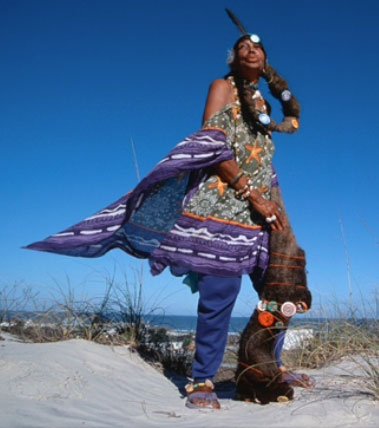
MaVynee Betsch was an advocate for American Beach, giving her fortune to preserve the area and educating people about its history.
Many early activists fought to preserve natural areas for everyone to enjoy. They saw the value in protecting parks, forests, and other public lands. By advocating for and educating about these spaces, they ensured that future generations would have access to nature.
Other leaders focused directly on the hazards that hit their own neighborhoods. They identified how industrial policies often dumped pollution in areas where Black families lived. Their bravery forced a conversation about who gets to live in a “healthy” place and who is forced to live with the consequences of industrial growth.
Today, Black environmentalists are leading the way in science, policy, and community activism. They are finding new ways to create a more sustainable world while ensuring justice for everyone. Their work spans across technical innovation, grassroots organizing, and public education.
Solomon Brown
Born in 1829 to free black parents, Solomon Brown was the first Black employee at the Smithsonian. His first position was a laborer, but through determination and self-education, he rose through the ranks, becoming a scientist, educator, and community leader. He was noteworthy for his lectures on plants and insects, in particular “The Social Habits of Insects,” which he held throughout the Black communities. in Washington D.C.
George Washington Carver
Most school children today are familiar with the name George Washington Carver. Born a slave in 1864, Carver became an agricultural researcher whose name became synonymous with peanuts and crop rotation. He educated farmers about crop diversification and replenishing the soil to increase yield and discovered around 300 items that could be made from peanuts. Yet, his work was far more expansive. He studied fungi, produced more than 120 items from sweet potatoes, and helped pave the way for Black youth to study botany, chemistry, and agronomy through mentorship programs and grants.
“Man must take the initiative in using nature to provide sustainable food systems that will help to alleviate hunger, encourage local participation and activism, and to safeguard and control our local food and water systems.”
George Washington Carver
Captain Charles Young
The first African-American to be put in charge of a national park was Charles Young, who in 1903 was named the Acting Superintendent of the Sequoia and General Grant National Parks. Under his management, he and his troops protected the park from poaching and illegal logging and constructed roads and trails.
“A journey through this park and the Sierra Forest Reserve to the Mount Whitney country will convince even the least thoughtful man of the needfulness of preserving these mountains just as they are.”
Captain Charles Young
MaVynee Betsch “The Beach Lady”
Born in 1935, MaVynee Betsch gave up a career in Europe as an opera singer to move back to her hometown in Florida. She dedicated her life to providing a respite for Blacks not allowed on Florida’s beaches at the height of segregation and Jim Crow laws, and was known for giving away her fortune to conservation and social justice efforts.
Dr. Wangari Maathai
Dr. Wangari Maathai is a pioneering professor and environmentalist awarded the Nobel Peace Prize in 2004 for her pioneering work “articulating the links between human rights, poverty, environmental protection, and security.” Born in Kenya in 1940, she became famous for the Green Belt, a tree-planting movement focused on environmental protection, community building, and eradicating poverty at the grassroots level.
“I always felt that our work was not simply about planting trees. It was about inspiring people to take charge of their environment, the system that governed them, their lives, and their future.”
Dr. Wangari Maathai
Marie Harrison
Born in 1948, Marie Harrison moved to San Francisco in 1966 as a teenager and worked at the toxic Hunters Point Shipyard for two years, which she linked to her development of lung cancer. Despite her battle, she became an outspoken advocate against the site and campaigned against toxic sites such as the highly radioactive, 77-year-old PG&E plant in 2006.
LaTricea Adams
A former teacher and administrator, LaTricea Adams turned her anger about children being exposed to lead in tap water in Flint, Michigan, into advocacy in 2015. After a decade of advocacy, she helped pass stronger legislation limiting childhood exposure to lead and also worked on issues relating to air and water pollution, earning her the recipient of the Children’s Environmental Health Network Child Health Advocate Award. She also founded the Lead Prevention Commission.
“I didn’t have any previous background in environmental justice… The first thing I did was tap into my existing network. I organized a national call for anyone who wanted to join, and we named ourselves Black Millennials for Flint — that organization eventually evolved into Young, Gifted & Green.”
LaTricea Adams
The Future of Environmentalism
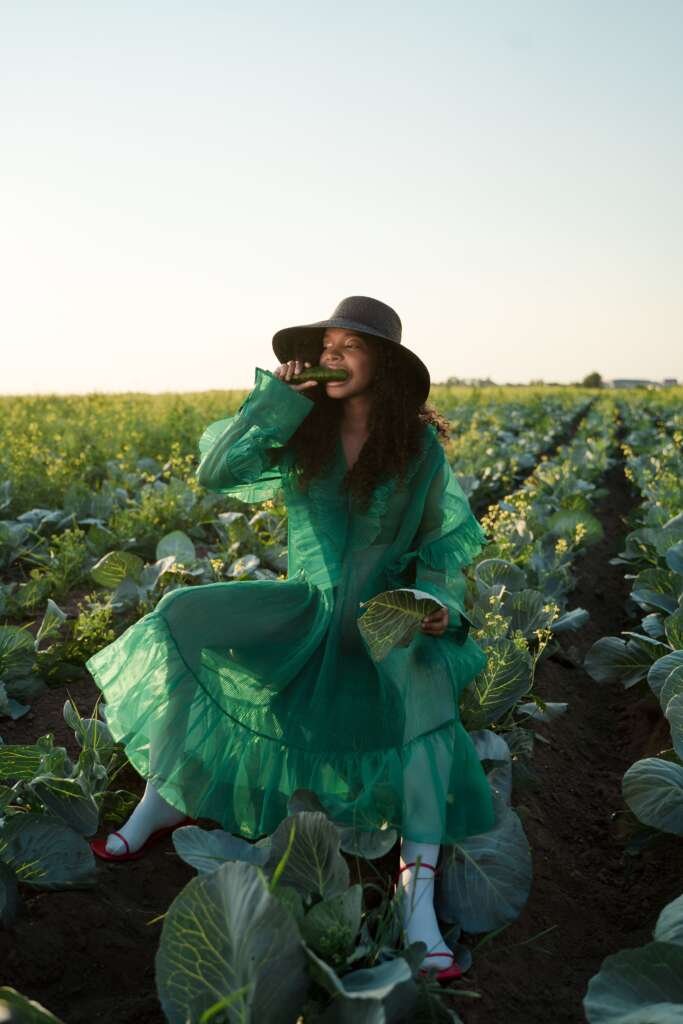
Black Farmers Index is a non-profit that brings light to the work of Black agriculturalists and the connections to food insecurity in the U.S. and its impacts on environmentalism.
Organizers on the front lines are fighting for clean air, safe water, and food security every day. They work within their own communities to change local policy and hold polluters accountable. Juneteenth connects the promise of freedom to the reality of environmental health. We cannot talk about liberty if some communities are trapped in polluted zones. Achieving true equality means ensuring that every person has a healthy place to live
The legacy of systemic discrimination shows up in the environment, too. It is why some areas have less green space or more pollution than others. Juneteenth serves as a yearly reminder to keep fighting these injustices and that freedom must be comprehensive to be real.
You can help advance this cause by taking a few key steps. These actions help build a stronger, more equitable movement for all:
- Donate to or volunteer with Black-led environmental groups.
- Learn about how industrial pollution affects different local neighborhoods.
- Support political candidates who prioritize environmental equity.
- Share the stories of Black environmentalists with your friends and family.
Recognizing the contributions of Black environmentalists is a vital part of honoring the spirit of Juneteenth. These leaders have shaped how we care for the earth, and they continue to drive the fight for a fairer world. When we celebrate this history, we acknowledge that freedom is incomplete without a healthy, sustainable environment for all. Take these lessons and use them to support the work happening today. Join the movement for environmental justice and help build a greener future together.
