

Share This Article
Enjoy the unique beauty of Joshua Tree trails with these sustainable travel tips for hiking in the desert.
The surreal beauty of Joshua Tree National Park draws 3 million visitors each year to explore its unique desert scenery, from the iconic Joshua trees to the vast rock formations and clear night skies. However, this popularity creates real problems for the fragile desert environment. To keep exploring this natural treasure, we have to be careful about how we visit. Hiking Joshua Tree trails sustainably is the only way to ensure the park remains in good shape for the future.
Understanding how human activity affects the desert is the first step toward mindful exploration. The soil is sensitive. “A misplaced footstep can take years to heal.” By changing how you approach your hike, you help protect this special habitat and its biodiversity. This guide offers practical tips for reducing your environmental impact, respecting wildlife, and supporting the long-term health of this park.
Research Trails and Conditions
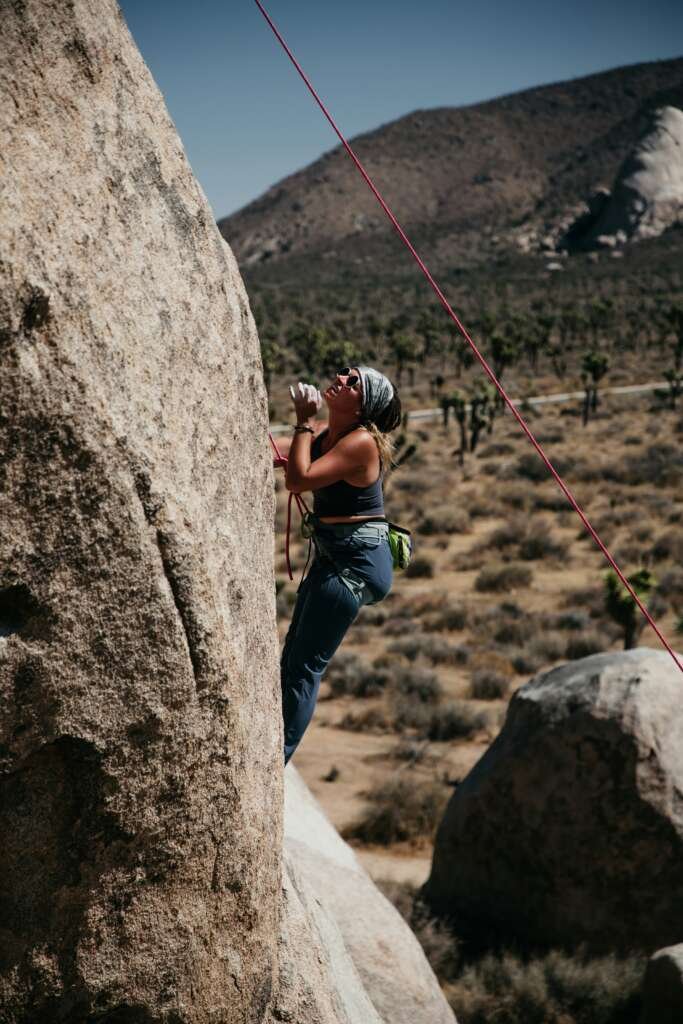
Joshua Tree Park offers a range of hikes that take 15-20 minutes to 6 hours, and guided rock climbing tours.
Image: Elijah Hiett
A little prep is the foundation of a great hike you’ll enjoy and that will reduce the strain on the park’s resources.
Before you head out, check out the site to research and match the trail difficulty to your fitness level. The park service website offers a reliable map guide to find trails that fit your skill set and offer great views without needing to go off-trail. Also, be sure to check the park website for trail closures or alerts. Desert conditions change fast, especially after rain or windstorms. Staying on resilient, well-marked trails prevents trampling delicate ecosystems.
Pack the Right Gear
Packing well allows you to enjoy the park without creating waste. Swap single-use plastic bottles for sturdy, reusable water containers. The park has very limited water, so it’s always advised to bring more than you think you need from home.
Bring small, durable trash bags to pack out every single item you bring in. If you plan to hike in the backcountry where restrooms are not available, bring a trowel and follow proper human waste disposal rules. Wear appropriate clothing, like hats and long sleeves, to protect yourself from the sun or harsh winds. This also reduces the need for lotions that can wash off into water sources or settle onto plants.
Leave No Trace

Sea to Summit Trash Dry Sack $44.95 (Sale $30.93)
This bag is waterproof, lightweight, and easy to carry, making it ideal for carrying and storing trash until you get home.
To preserve the delicate ecosystem of the desert, it’s advised to “Leave No Trace”. Travel and camp on durable surfaces. The desert’s cryptobiotic crust, a surface of park soil, is alive with algae, microfungi, and bacteria, and is very easy to kill with a single step. Once crushed, it can take decades to recover.
“Leave No Trace” also includes following the “pack it in, pack it out” rule strictly. This includes food scraps like fruit peels, which do not break down quickly in the dry desert air. If you see trash on the trail, pick it up and carry it out. Use permanent restrooms whenever possible. If you must use the bathroom in the backcountry, use a portable waste bag or bury waste at least six inches deep and far away from any water or trails.
The Leave No Trace Center for Outdoor Ethics offers more information on how to protect these areas. Following these rules keeps the park clean and safe for everyone.
On the Trail: Minimizing Your Environmental Impact
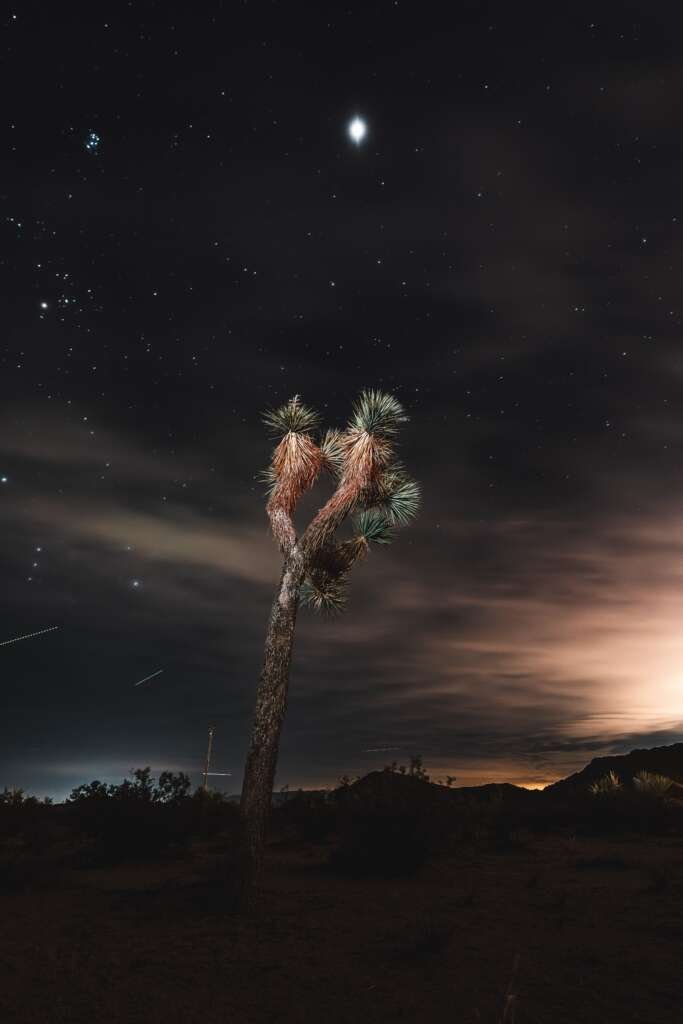
Joshua Tree is a dark park- one of the darkest areas on the earth with views of the solar system.
We know we’ve said this a few times, but it cannot be overemphasized: the importance of sticking to the established paths at all times. Leaving the trail damages fragile desert plants that take years to grow. It also kills the soil crust that holds the ground together. When you walk off-trail, you also risk your safety and the chance of getting lost. Keeping to the marked path protects you and the environment.
Staying on paths also gives animals plenty of space. Use binoculars or a camera zoom lens to see them from a distance. Never approach, feed, or touch wild animals. There are 250 bird species and 57 species of mammals that call the park home, like bighorn sheep or desert tortoises. Feeding them changes their natural diet and makes them reliant on people. Viewing them from afar is one way to protect their homes and preserve their living areas for safety and breeding.
Joshua Tree is also home to many sites with deep ties to Native American history. Never touch or move any artifacts, rock art, or historical structures you find. These sites are protected by federal law. If you discover something that looks like an artifact, report it to a park ranger, but leave it exactly where you found it. These and natural rock structures are another part of what makes this park breathtaking. However, as tempting as it might be, avoid climbing if not on a designated trail. And take care not to chip, break, or remove any rock. If you are a climber, use existing anchor points and keep new fixed gear to an absolute minimum. The Access Fund provides excellent guidance on responsible climbing practices that protect the rock surface.
Astronomy enthusiasts will be excited to know that Joshua Tree is a designated Dark Sky Park. This means that it is a protected land area with minimal light pollution to offer exceptional views of the stars. At night, minimize your use of artificial light at night to preserve the views of the night sky. If you must use a light, use the red-light setting on your headlamp to minimize light that could disturb nocturnal animals.
Water Conservation and Desert Preparedness
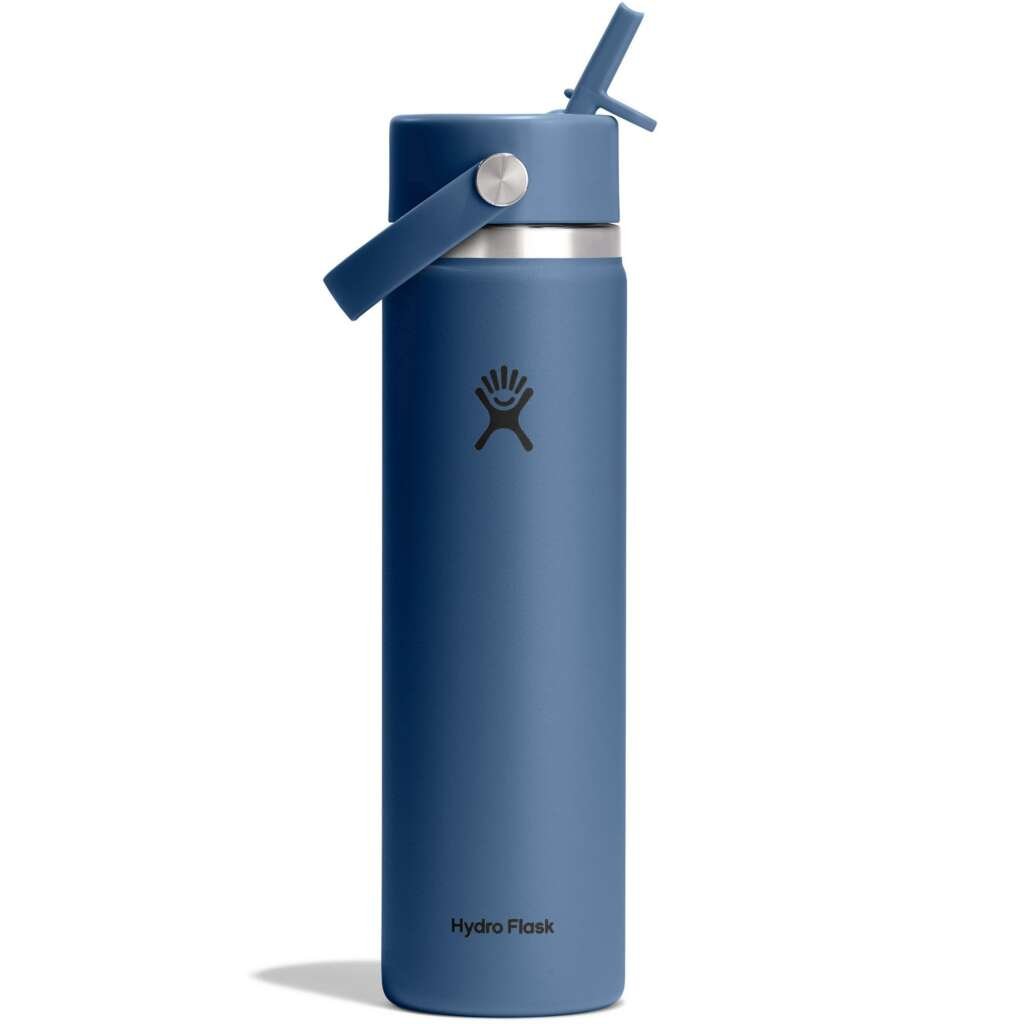
Hydro Flask Wide-Mouth Vacuum Water Bottle with Flex Straw Cap – 24 fl. oz. $39.95
This water bottle is leakproof, insulated, and designed to keep water cold for 24-hours.
It’s always best not to rely on the park for water. Natural water sources are rare and unreliable. As previously mentioned, it’s always best to pack more water than you expect to drink. And drink it steadily throughout your hike rather than waiting until you are thirsty. Thirst is a sign that you are already dehydrated. It can also be beneficial to carry electrolyte tablets or drinks to replace the salts you lose through sweat. If you feel dizzy, tired, or get a headache, sit in the shade and drink water. If these symptoms do not stop, end your hike immediately.
Support Joshua Tree’s Conservation
Love the park; consider donating to the Joshua Tree National Park Association. These funds go directly toward important projects and educational programs. When you buy a park pass, you are also contributing to the daily maintenance of the park. Look into volunteer opportunities if you want to give back even more.
Another way to support the park is to share what you learned about sustainable hiking with your friends and family. If you see someone doing something harmful, address it politely or report it to a ranger. Educating others is one of the best ways to protect the park.