

Share This Article
Sustainable fashion isn’t just a buzzy phrase. Here are 10 ways it’s changed the industry and your closet over the last decade.
| All products featured on The Wellness Feed are independently selected for their environmental and ethical impact. However, we may earn an affiliate commission when you buy something through our retail links. |
What makes sustainable fashion so appealing is that clothing is made in a way that aligns with our values. After shockwaves from the Rana Plaza collapse in 2013 shook the industry, a spotlight was shone on clothing production that ripped the seams apart. It felt like overnight, a little black dress wasn’t simply a chic staple, but a garment that environmental and human rights groups began questioning its origins- “who made it?”, “Where are the materials?” “Are labor laws upheld?”
More than a decade later, an industry that wasn’t known for shedding a light on its supply chain, let alone the people who made their clothes or the farmers where materials were grown, now responds with campaigns showing the Mongolian farmers they partnered with, regenerative farming practices on small-scale cotton farms, and sustainability reports detailing their efforts to mitigate their environmental impact. By 2026, the little black dress has evolved into a little dress with a purpose.
After all, who doesn’t want beautiful clothes made beautifully? The Rana Plaza tragedy showed that the price for allowing an industry to go unregulated and put profit before people. But recent changes within the industry show that proactive steps can be taken to protect the planet and the people who make our clothes. And, there are hundreds of brands adopting these into their DNA to not only create sustainable collections, but also radically change an entire industry.
Ethical Labor and Fair Wages
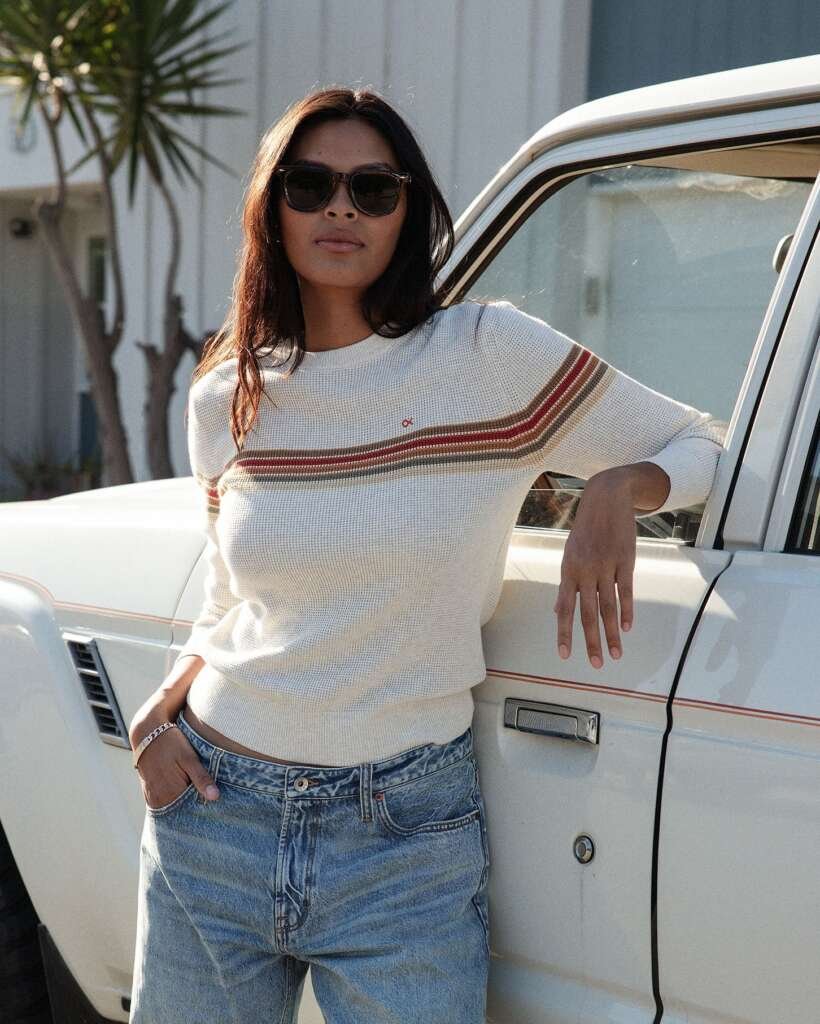
Outerknown Nostalgic Sweater is made from 100% organic cotton in factories that align with the Fair Labor Association and their Fair Compensation Commitment. $178
Workers deserve living wages and safe working environments. Living wages are “the remuneration received for a standard workweek by a worker in a particular place sufficient to afford a decent standard of living for the worker and her or his family.” Yet, studies show that less than 2% of the 60 million garment workers employed by the global fashion industry earn a living wage.
Ethical brands often work with certified factories to ensure that labor and wage laws are upheld. Some will have certifications, such as Fair Trade labels, that prove living wages are upheld, and factories follow rules on hours and safety.
Material Innovation and Circularity
Fabrics matter a lot to minimize waste, pollution, soil degradation, and even harm to the workers handling the clothing. Shifts to recycled cotton or organic cotton cut landfill and water waste. So, too, does Tencel, a fabric made from the pulp of fast-growing bamboo that requires less water and land to grow than cotton. Some brands even make items from ocean plastic to help keep our water resources clean.
Durability Over Disposability

Veja Wata II Low Fured Suede Tent Pierre Sneakers are made from Amazonian rubber, recycled polyester, suede, and organic cotton. They can be repaired at the Veja Repair Shops $145
Fast fashion pushes cheap, trendy pieces that last one season (or most likely, one wear). Slow fashion bets on durability and timeless designs that mix easily with your wardrobe and are meant to be repaired. Brands use tough stitches and quality threads. You save money and space over time and reduce the number of garments you send to landfills.
Regenerative Agriculture
Cotton is a thirsty crop, and thanks to the overproduction of fast fashion, it is draining rivers, degrading soil, and polluting local environments with runoff from pesticides and fertilizers. Regenerative cotton is grown organically and uses methods to nourish soil and protect biodiversity. Patagonia works with farms in Texas that rotate crops. Their fields now hold more water and need fewer chemicals. Another player, Outerknown, ties up with growers in India. They share stories of healthier land. You get soft tees that support green fields.
Masters of Upcycled and Deadstock Textiles

Reformation Eli Oversized Shirt is made from deadstock 84% TENCEL™ Lyocell, 16% Linen made sustainably in a factory in China $148
Waste fabric doesn’t have to sit unused or worse pollute landfills. Upcycling turns old clothes into fresh ones. Deadstock means using old stock to make new garments. Stella McCartney uses zero-waste cuts to save every scrap. Their patterns fit like puzzles, no bits left over. Another brand, Reformation, grabs factory extras for dresses. It cuts pollution by 30% per item. Style stays hot without new harm.
Innovations in Vegan and Plant-Based Alternatives
Leather hurts animals and the environment. Plant options can change this. Cactus leather from Desserto feels real but grows fast in deserts. Brands like Matt & Nat use it for bags that last years. Mushroom leather from Mylo is brewed in labs, skipping ranches. VeChallenge makes shoes from pineapple leaves. These picks look luxe and feel good on our conscience.
Radical Supply Chain Disclosure
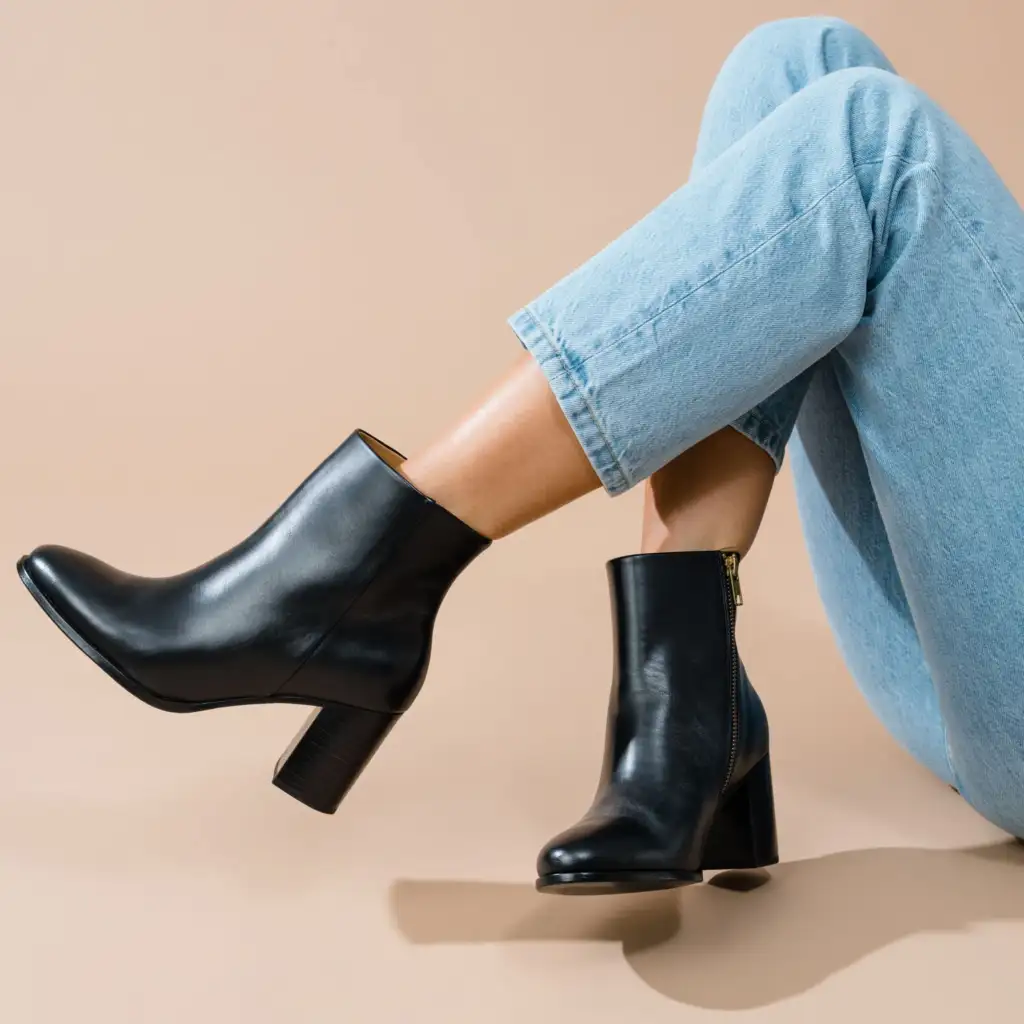
Nisolo Lia Heeled Bootie is ethically made in Peru by a B Corp company. $250 ($99)
Trace your shirt from seed to shelf. Some labels add QR codes to tags. Scan it to see the farm and factory. Everlane lists all partners online. You view wages and locations clearly as day. A report from Fashion Revolution ranks them high for openness. Over 80% of top brands now do this.
Carbon Neutrality and Climate Commitment
Fashion accounts for 10% of global emissions, more than flights and ships. Some sustainable brands aim to balance their CO2 emissions with projects, such as tree planting, that absorb CO2. Allbirds uses this model to plant trees to offset some of its emissions. Tentree is another brand aiming for zero CO2 emissions through initiatives that reduce shipping and also engage in reforestation.
Local Manufacturing and Small Batch Production

Four Objects The Sweatshirt is made from certified organic cotton and merino wool certified by the Responsible Wool Standard. Made by a B Corp brand in NYC $255
Reduce the emissions your clothes travel and support small businesses. Local shops make small runs on need. Less stock means less scrap. Support makers in your town for items like a knit sweater that uses local wool, cutting shipping miles. Find them on Etsy or at local markets.
Certifications
Labels are one step to prove claims aren’t fluff. Third-party organizations verify sustainable and ethical claims. The Global Organic Textile Standard (GOTS) checks organic fabrics from start to end. It bans toxic dyes and ensures fair work. B Corp scores business models from farm to customer on their initiatives to protect people and planet. Bluesign vets chemicals for water safety.
Change keeps coming. Style doesn’t mean harm. Brands can make choices that benefit the people who make them and the planet we all live on.